REVIEW · BEIJING
Hutong Walking Tour: Discover Real Beijing without Crowds
Book on GetYourGuide →Operated by NEXTCITY · Bookable on GetYourGuide
You’ll feel Beijing’s real pace on foot. This Hutong Walking Tour threads traditional neighborhoods with standout stops like temples and a church, then drops you in just enough modern Beijing to show how the city changed. It’s the kind of route where the alleys feel quiet, even when Beijing is not.
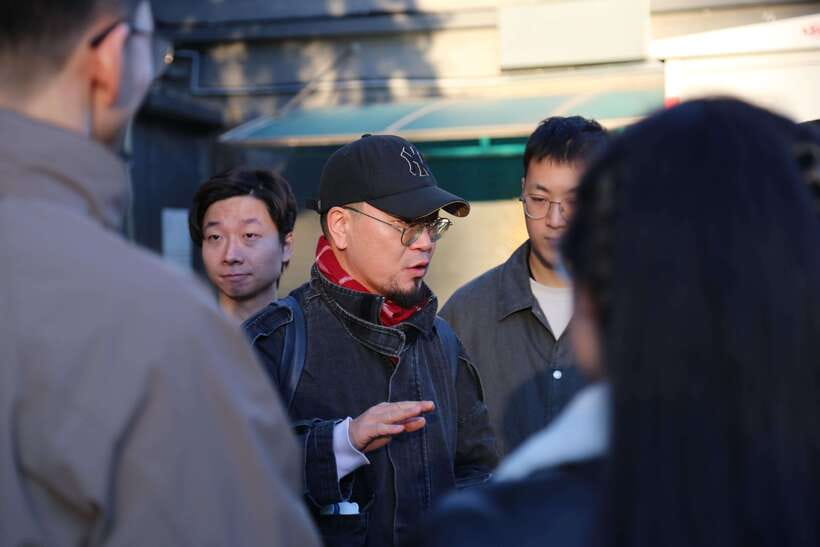
I especially like the small group size (up to 8) and the way guides such as Dee and Tracy keep the walk at a human pace while connecting architecture to everyday life. I also like the included traditional drink, which multiple guides serve in seasonal styles like iced tea or sour plum/plum-juice mixes on a rooftop-type pause. One consideration: only about half of the time is in the hutongs, so if you want 100 percent alley time, book with that in mind.
In This Review
- Key things to know before you go
- Entering Hutong Beijing Without the Crowd Noise
- A note on the hutong balance
- Getting There: Xisi Station to 阜内大街 410号
- Pace and footwear
- Stop 1: Guangji Temple and the Feeling of Daily Prayer
- What to watch for
- Stop 2: Church of the Saviour, Beijing
- Why this works
- Stop 3: 正阳书局 (Zhengyang Bookstore) for Neighborhood Culture
- A practical tip
- Stop 4: Zhuanta Hutong and the Courtyard Story
- The “old versus new” lesson
- Stop 5: Emperors Temple of Past Dynasties (Photo Stop + Visit)
- What to do with your camera
- Stop 6: Local Café Break and Breathing Room
- Final Stop: Miaoying Temple for Quiet Perspective
- That included traditional drink
- Price and Value: What $49 Really Buys
- Who it feels most worth it for
- Day-of Logistics That Actually Matter
- Weather reality check
- Who This Hutong Walk Suits Best
- Should You Book This Hutong Walking Tour?
- FAQ
- FAQ
- Where is the meeting point and where does the tour end?
- How long is the tour, and how much walking is involved?
- How much of the tour is spent in hutongs?
- What stops can I expect during the walk?
- What is included in the ticket price?
- Is the Palace of Ancient Monarchs included on all days?
- What language will the guide use?
- What should I bring, and what are the rules?
- Is the tour wheelchair accessible, and what’s the cancellation policy?
Key things to know before you go
- Start at Xisi Station (Line 4), Exit D so you can arrive by metro without hunting.
- A 3 km-ish walking route in about 2.5 hours means solid shoes matter.
- You get a mix of hutongs and major local sites, not just one neighborhood lane.
- Stops can include Guangji Temple, Church of the Saviour, and Miaoying Temple.
- You’ll likely end with a traditional Beijing drink and local recommendations for food.
- The experience is guided in English and Chinese, with a guide plus options for a very personal pace.
Entering Hutong Beijing Without the Crowd Noise
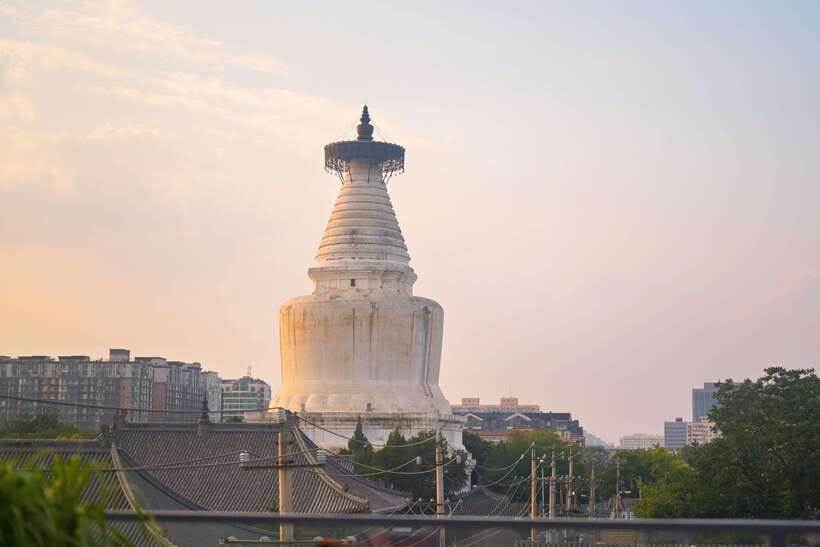
Beijing’s hutongs are not just scenery. They’re a way of life shaped by courtyards, family compounds, and old neighborhood rhythms that still affect how people move through the day. What makes this tour work is that it doesn’t treat the hutongs like a theme park. It uses the architecture to explain daily habits: who prays, who gathers, who repairs, and how space gets reused when the city evolves.
I like that the tour is designed to show contrast. You’ll see the old courtyard world near a modern financial center, so you can understand the shift instead of only taking photos. It’s also a smart choice to use a small group, because the guide can slow down when you notice details like doorways, courtyard walls, and symbolic building features.
You can also read our reviews of more walking tours in Beijing



A note on the hutong balance
You won’t spend the entire 2.5 hours inside hutong lanes. Around half the time is in hutongs, while the rest includes temples, churches, a local bookstore, and other buildings tied to Beijing’s spiritual and community history. That blend is a plus for most first-timers, but it’s a deal-breaker for anyone who wants only narrow alley walking the whole time.
Getting There: Xisi Station to 阜内大街 410号
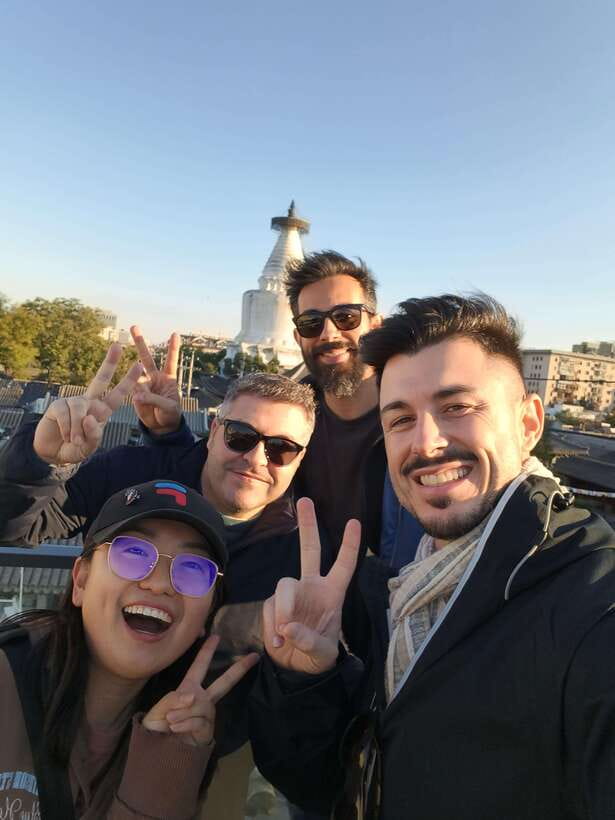
The tour starts at 西四站西南口 (Xisi Station, Exit D) on Metro Line 4. That’s practical. You avoid taxi math and you can time it cleanly with the rest of your Beijing day.
The walk finishes at 阜内大街410号. That matters because it helps you picture where your afternoon or evening plans can go next. If you’re planning to head to more central sightseeing after, you’ll appreciate that the end point isn’t buried deep inside a maze of alleys.
Pace and footwear
The walk covers about 3 km, which is not huge, but it’s enough to feel it if your shoes are wrong. Beijing’s surfaces can be uneven, and hutong lanes often mean short transitions with sudden turns. Bring comfortable shoes and expect you’ll want to keep the pace steady.
Stop 1: Guangji Temple and the Feeling of Daily Prayer
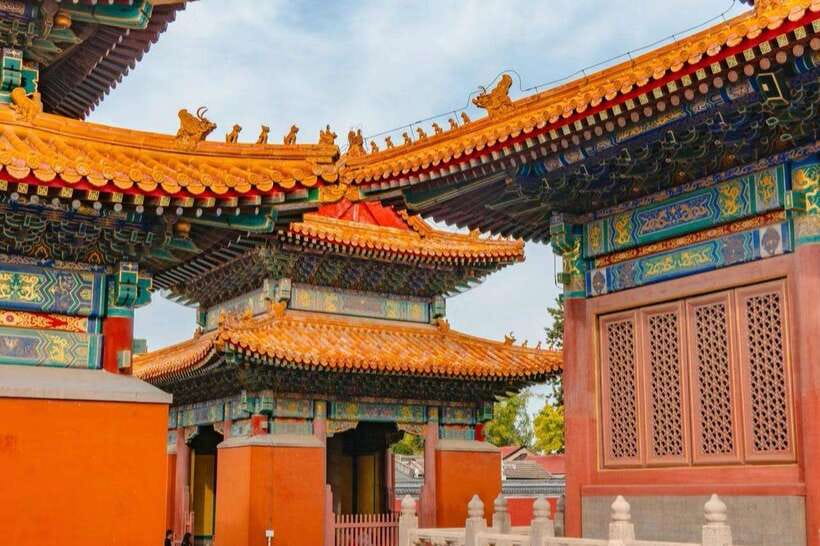
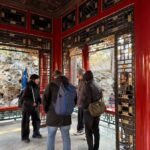
Guangji Temple is one of the opening stops that sets the tone. Temples like this work best when you’re not rushed. The guide helps you connect what you’re seeing to the role faith places have historically played in neighborhood life, from quiet routines to visiting rhythms.
What I like about this kind of first temple stop is that it helps you look. Instead of only seeing buildings, you start noticing layout, symbolism, and why certain spots were chosen for public gathering.
What to watch for
Even if you’re not a “religion” person, temple architecture teaches you something. Look at how spaces guide movement: where people pause, where they face, and how the surrounding streets shape the flow.
Stop 2: Church of the Saviour, Beijing
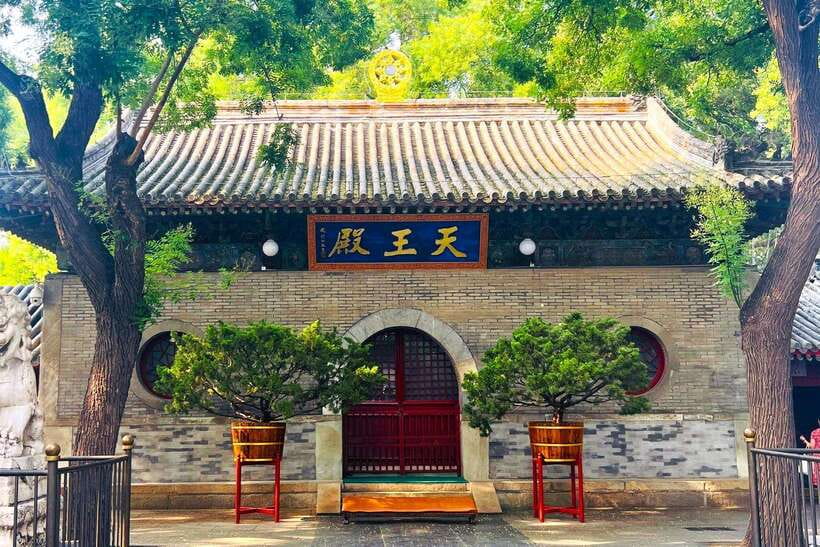
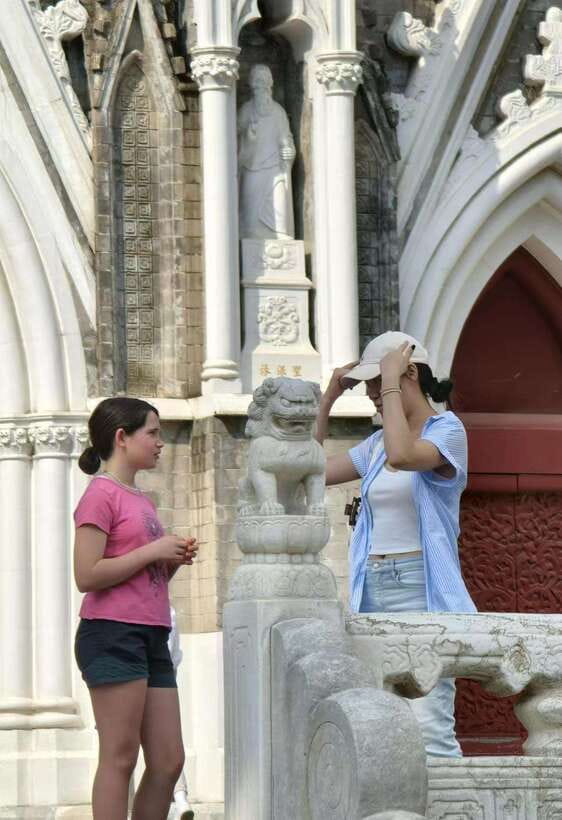
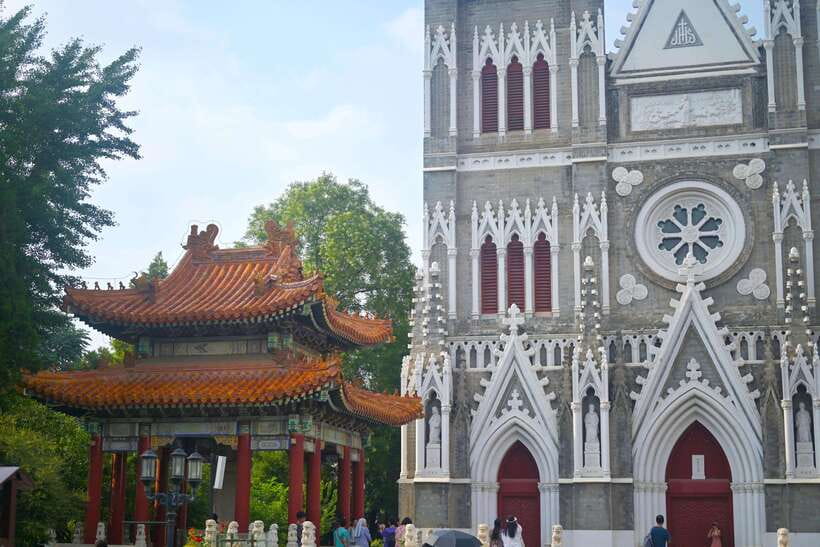
Then you swing to the Church of the Saviour, Beijing, and suddenly you see how Beijing’s story isn’t a single thread. A church stop in a neighborhood day helps you notice how different communities coexisted, interacted, and left buildings behind.
A lot of visitors come to Beijing expecting only imperial-palace landmarks. This route is more useful because it brings you to a different scale of history—one measured in local institutions rather than only grand government sites.
Why this works
When you see a church after a temple, the comparison happens naturally. You’re not trying to memorize facts. You’re seeing how belief spaces look, how crowds behave inside them, and how the neighborhood around them shapes the atmosphere.
Stop 3: 正阳书局 (Zhengyang Bookstore) for Neighborhood Culture
Next is 正阳书局, described as a visit with time to shop. This is the stop that changes the tempo a little. After religious architecture, a bookstore gives you room for lighter interaction: browsing, asking questions, and picking up a small souvenir that feels more lived-in than mass-produced.
I like it because it’s not only “information.” It’s a cultural pause where you can slow down and treat the area like a real place, not just a walking route.
A practical tip
If you want something specific—like a book title or a gift—plan a quick check before you get pulled back into the next segment of walking. Hutong days move on, even when you feel like lingering.
Stop 4: Zhuanta Hutong and the Courtyard Story
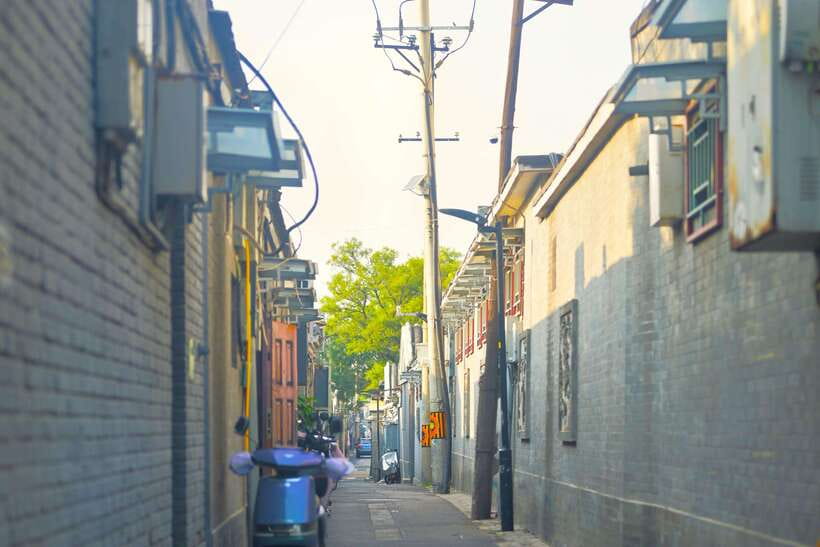
Zhuanta Hu Tong is where the hutong focus gets personal. Hutong lanes are narrow by design, and the best part of walking them is how they reveal the logic of courtyards. You’ll see how everyday life used to cluster around shared walls, and how residents adapt when cities modernize nearby.
This is also where a guide really matters. When someone like Dee or Tracy explains what you’re looking at—Siheyuan layout, courtyard priorities, and the purpose behind architectural choices—you start to see patterns instead of just alley views.
The “old versus new” lesson
The tour doesn’t pretend change is purely good or purely bad. It shows Beijing’s shift in urban design, so you can compare older neighborhood forms with more modern city planning. That contrast makes the stories stick.
Stop 5: Emperors Temple of Past Dynasties (Photo Stop + Visit)
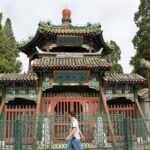
After the hutong segment, you hit Emperors Temple of Past Dynasties with a photo stop and guided visit. Temples connected to imperial remembrance add another layer. You’ll notice how the city uses religious or ceremonial architecture to reinforce identity and legitimacy.
I like this stop because it balances the intimacy of hutong lanes with something more symbolic. It reminds you that Beijing’s neighborhood life and state traditions aren’t separate chapters—they influence each other.
What to do with your camera
Photo stops are quick. The trick is to use your eyes first. If you rush to shoot, you miss the symbolism the guide points out. Take two or three photos, then re-center on the details you can’t capture well: spatial design, materials, and how the building sits in its surroundings.
Stop 6: Local Café Break and Breathing Room
The itinerary includes a local café break time. This is more than a snack stop. It resets your energy so you can keep paying attention through the final temple segment.
I like that the schedule builds in a pause rather than pretending you’ll walk 3 km without fatigue. If you’re sensitive to heat or cold, this break helps you manage the day instead of white-knuckling it to the end.
Final Stop: Miaoying Temple for Quiet Perspective
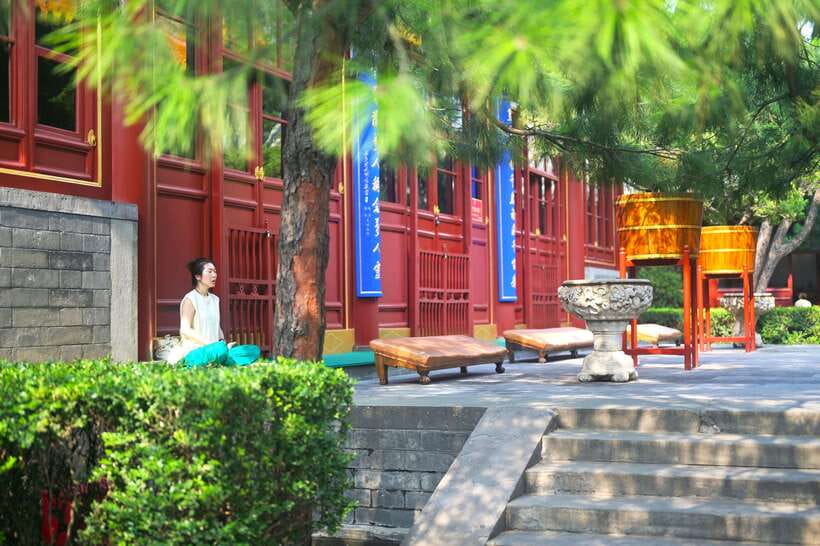
Miaoying Temple comes as a photo stop plus visit. Temples at the end work well because you’ve already learned the “how to look” part earlier. By now, you can spot what makes these places feel calmer than the streets outside.
This stop also gives you a gentle landing. You’ve spent the earlier time on the contrast: hutongs, institutions, and symbolic buildings. Ending with a temple helps your brain stitch the day together instead of scattering facts.
That included traditional drink
The tour includes a traditional Beijing drink. In practice, guides often serve it in a rooftop-like setting or in a way that feels connected to the neighborhood’s view. Depending on the day, people have described iced tea and sour plum or plum juice blends served with Chinese-herb style notes.
If you’re the type who thinks food and drink are part of travel history, you’ll appreciate this detail. It’s not only a refreshment; it’s a flavor signature tied to the season and local preferences.
Price and Value: What $49 Really Buys
At $49 per person for a 2.5-hour guided walk in a group limited to 8 participants, this is strong value when you look at what’s included. You’re not just paying for a guide and some steps. The tour includes the traditional drink and an entrance fee for the Palace of Ancient Monarchs (with a key caveat: it’s closed on Mondays).
That entrance detail matters. Many “cheap” walking tours quietly exclude fees, which pushes your real cost up. Here, the math stays more predictable.
Also, the guide isn’t only reading a script. Based on what I’ve seen in how guides like Dee and Tracy lead, the best value is in the explanations: architecture context, how neighborhood life works, and practical tips for eating and shopping afterward.
Who it feels most worth it for
This price is especially fair for:
- First-time visitors who want Beijing’s “everyday history,” not only landmarks
- People who want less crowd stress and more real neighborhood pace
- Anyone who wants a local-style food and travel tip list to use the same day
Day-of Logistics That Actually Matter
You’ll want water, sunscreen, and ideally a hat, because the weather can shift and there’s not always shade in hutong lanes. The tour also has a simple rule: no smoking.
Also, remember hutongs are residential. That means privacy matters. Keep voices respectful, don’t block doorways, and don’t treat courtyards like open-air museums.
Weather reality check
This is a walking tour. If it’s hot or sunny, your hat and sunscreen will earn their place. If it’s cooler, layers help because temple and courtyard areas can feel different from street sunlight.
Who This Hutong Walk Suits Best
This tour fits you if you want:
- A structured way to understand hutongs, temples, and faith buildings without getting lost
- A guide who gives context for architecture and city change
- A small-group day with enough pauses to think, not only keep moving
It’s less suitable if you have mobility impairments or use a wheelchair, since the route involves significant walking in areas that won’t work well for that kind of access.
Should You Book This Hutong Walking Tour?
Yes, I’d book it if you want Beijing in miniature: courtyards, places of worship, a neighborhood bookstore, and the kind of practical orientation that makes the rest of your trip easier. The included drink and entrance fee help keep the value honest, and the small group keeps the day from turning into a human conveyor belt.
Book with one caution: only about half the time is in hutongs. If your heart is set on maximum alley time, look closely at the route mix before you commit. If you’re happy with a balanced route that shows old and new Beijing side by side, this is a strong first-day style walk—or a calm reset day between bigger sightseeing.
FAQ
FAQ
Where is the meeting point and where does the tour end?
You meet at Metro Line 4, Xisi Station, Exit D (西四站西南口). The tour finishes at 阜内大街410号.
How long is the tour, and how much walking is involved?
The tour lasts about 2.5 hours and includes around 3 km of walking.
How much of the tour is spent in hutongs?
About half of the tour is in the hutongs. The rest includes visits to other local attractions and unique buildings.
What stops can I expect during the walk?
You’ll visit places such as Guangji Temple, Church of the Saviour, Beijing, 正阳书局 (Zhengyang Bookstore), Zhuanta Hutong, Emperors Temple of Past Dynasties (photo stop and visit), and Miaoying Temple (photo stop and visit), plus a local café break.
What is included in the ticket price?
The price includes the 2.5-hour guided walking tour, a local guide, an entrance fee for the Palace of Ancient Monarchs (where applicable), and a traditional Beijing drink.
Is the Palace of Ancient Monarchs included on all days?
The Palace of Ancient Monarchs entrance fee is included, but it is closed on Monday.
What language will the guide use?
The tour is guided in English and Chinese.
What should I bring, and what are the rules?
Bring comfortable shoes, a hat, sunscreen, and water. Smoking is not allowed. You’ll also want to respect the privacy of residents in the hutongs.
Is the tour wheelchair accessible, and what’s the cancellation policy?
It is not suitable for people with mobility impairments or wheelchair users. You can cancel up to 24 hours in advance for a full refund.