REVIEW · BEIJING
Private Hutong Culture Tour with Dumpling Cooking Class plus Cricket Fighting Game
Book on Viator →Operated by Lily's Tour Company · Bookable on Viator
Crickets and dumplings in Beijing. This private tour mixes big sights (Lama Temple, Confucius Temple, the Drum Tower) with small, real-life moments like a hutong rickshaw ride and hands-on dumpling cooking at a local home. My favorite part was getting the day guided by Lily, who kept everything moving and made the culture feel personal, not like a checklist.
You’ll get a strong sense of old Beijing in just about 6 hours, with hotel pickup, lunch, and the key admissions handled. One thing to plan for: you’ll walk and you’ll likely climb stairs at the Drum Tower, so comfy shoes matter, and the tour runs in all weather.
In This Review
- Key highlights at a glance
- Lama Temple to Drum Tower: How the Day Flows
- Lama Temple (Yonghegong): A Giant Wooden Buddha in a Former Palace
- Confucius Temple and Guozijian Museum: Steles, Trees, and Schoolyard Roots
- Hutong Rickshaw, Dumpling Workshop, and Cricket Fighting with a Local Family
- Cricket fighting game: a surprising cultural contrast
- What lunch feels like
- Drum Tower Views and the Yandaixiejie Hutong Walk to Houhai
- Price, What’s Included, and Where the Value Shows Up
- Practical Tips: Shoes, Diet, and Weather for a 6-Hour Day
- Should You Book This Hutong Dumpling + Cricket Tour?
- FAQ
- Is hotel pickup and drop-off included?
- How long is the private tour?
- What’s included in the price?
- Which major sites are visited?
- Do I get to make dumplings or only watch?
- Is a vegetarian option available?
- What should I wear?
- Are tickets included for the attractions?
- Is there a cancellation option if plans change?
Key highlights at a glance
- Hotel pickup and drop-off so you’re not spending half the day figuring out transport
- Lama Temple (Yonghegong) with that famous largest wooden Buddha inside a former prince’s palace setting
- Confucius Temple + Guozijian Museum with lots of ancient trees and steles to slow down and look closely
- Hutong rickshaw ride through narrow lanes where the gates and shopfronts feel very lived-in
- Dumpling cooking class with a local family, plus lunch you didn’t have to choose ahead of time
- Cricket fighting game as a quick, strange, cultural stop that adds contrast to the temples
Lama Temple to Drum Tower: How the Day Flows

This is the kind of Beijing day that starts strong and stays varied. You’re met by your guide at your centrally located hotel, then driven to Lama Temple first. After temples, you shift gears into the hutongs, where the pace gets slower and the alley scale gets real. Then you eat a home-style lunch and end with a wide-angle view from the Drum Tower area, finishing near Houhai (Shichahai).
It’s built for people who want more than photos. You’re not only seeing famous buildings—you’re also doing things: riding in a rickshaw, learning dumpling technique, and watching the cricket fighting game. And because it’s private, Lily can adjust how the day feels—more questions here, a bit more time looking there, less rushing between stops.
The tour is also efficient. Admission tickets are included for key sites, and the rickshaw and lunch are part of the package. For the price (more on that soon), the day avoids the usual scramble of buying things separately and trying to piece together timing on your own.
You can also read our reviews of more private tours in Beijing
Lama Temple (Yonghegong): A Giant Wooden Buddha in a Former Palace
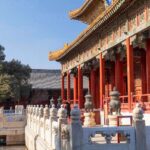
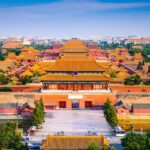
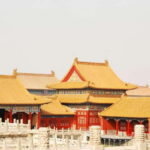
Lama Temple, also known as Yonghegong, is the perfect opener because it hits you with atmosphere right away. This is one of the most revered Tibetan Buddhist monasteries in the world, but it doesn’t feel like a copy-paste temple complex. The site started as a prince’s palace and was converted into a temple in the 18th century, so you can sense the blend of Han and Tibetan architectural styles.
One highlight you’ll hear about immediately: the world’s largest wooden Buddha statue. Even if you’ve seen statues before, this one has scale that makes you stop moving and look up. And because it’s the first stop, you’re usually still fresh, before the later walking and hutong turns.
What I like about starting here on this itinerary: the rest of the day stays different. After you’ve absorbed this calmer, ceremonial space, the hutongs feel more grounded and human. It’s a good rhythm—big meaning first, then neighborhood texture.
Practical note: plan for some indoor/outdoor movement and time spent standing and strolling through temple grounds. If you like details (craft, carvings, layout), you’ll get more out of this stop. If you prefer only the biggest photo shots, you may still enjoy it, but you’ll want to keep your eyes up and not only on the crowds.
Confucius Temple and Guozijian Museum: Steles, Trees, and Schoolyard Roots
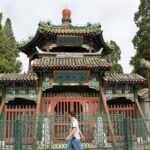
Next comes the Confucius Temple and the Guozijian Museum area. If Lama Temple gives you spiritual power, Confucius gives you structure—names, traditions, and the idea of education as a lifelong duty. This temple was built to pay tribute to Confucius during the Yuan, Ming, and Qing dynasties, so the site carries layers of time.
Inside the complex, you’ll find more than 100 ancient trees and 198 steles. That’s a lot of “stop and notice” material. A stele isn’t just decoration; it’s a record meant to last, so it changes how you move through the space. Instead of walking past walls, you slow down and read what’s meant to be permanent.
The value of this stop on a hutong culture day: it gives you context for why old Beijing cared about learning and ritual in the first place. Then the tour transitions to the hutongs, where you get the neighborhood version of culture—everyday life shaped by old patterns of community.
What to consider: this stop is mostly about atmosphere and objects you study. If you’re only interested in modern Beijing, you might feel your attention drift. But if you like “quiet facts” and visual evidence (trees, carved stone, the layout of a temple complex), this one is worth the time.
Hutong Rickshaw, Dumpling Workshop, and Cricket Fighting with a Local Family
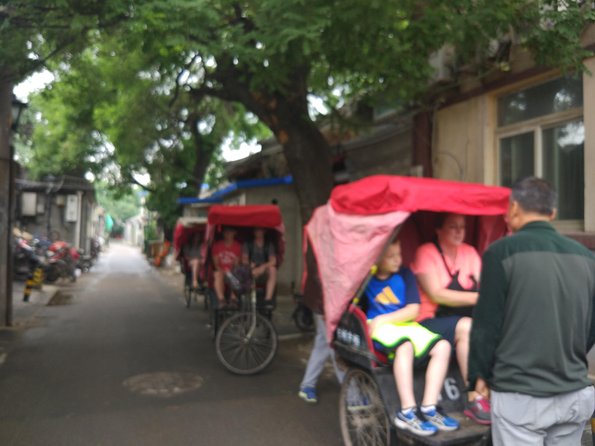
This is the heart of the experience. You board a rickshaw for a ride through the hutongs, the narrow alley network that helps you understand old Beijing’s scale. Your guide points out traditional-style gates and shops as you roll through. The rickshaw matters here because it changes your perspective: you’re slower than walking, and you’re higher than on the ground, so the alley feels like a corridor instead of a dead-end.
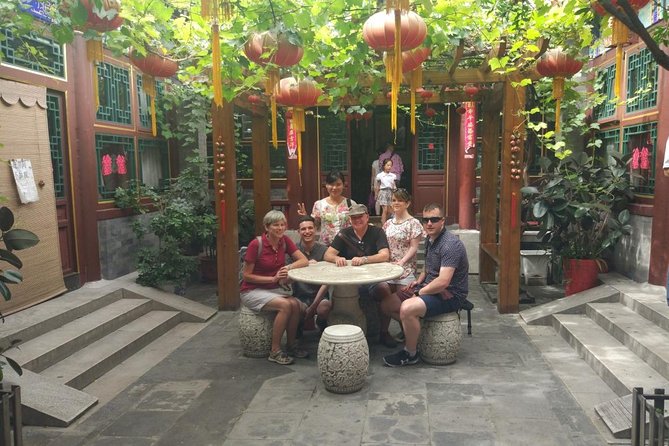
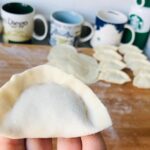
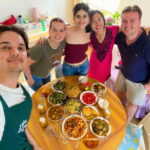
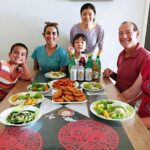
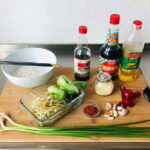
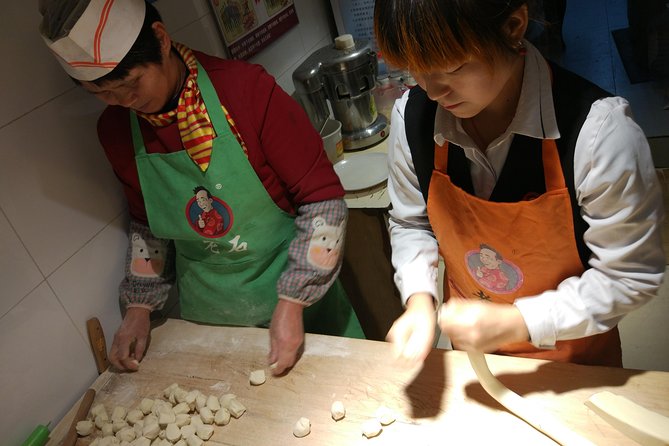
Then you arrive at a local family’s home for the dumpling cooking workshop. This part is where the tour earns its name. You’ll learn to make Chinese dumplings, not just watch a demo. And lunch follows—home-style food, included, so you don’t end up hunting for a restaurant after a busy morning.
This is also the part that got the strongest praise for me personally. Lily’s teaching style made it feel doable, and the dumpling moment itself is one of those experiences that’s fun even if you’re not a confident cook. When someone can turn a kitchen skill into something you actually leave knowing, that’s value you can feel.
Cricket fighting game: a surprising cultural contrast
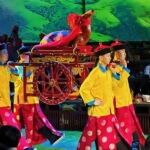
After dumpling prep and before lunch (timing flows as part of the home visit), you watch a cricket fighting game. It’s an odd matchup with a dumpling workshop, and that’s the point. You go from temple symbolism and neighborhood lanes to a local pastime that reflects how culture can be both serious and unusual at the same time.
I’d treat it like a cultural snapshot. You’re not expected to know everything going in. The experience is about seeing how it works and understanding that traditional games and local customs have their own rules and etiquette.
You can also read our reviews of more cooking classes in Beijing


What lunch feels like
Lunch being included is a big deal on a day like this. You don’t have to negotiate menus while you’re tired and moving between neighborhoods. The fact that it’s a home-style meal means it fits the theme: hutong life, not just tourist food.
If you have dietary needs, tell the operator when booking. The tour notes that a vegetarian option is available, but it has to be requested ahead of time. That’s worth doing early, so you’re not worrying during the day.
Drum Tower Views and the Yandaixiejie Hutong Walk to Houhai
After lunch, you shift into the afternoon with views and a final walk. The tour gives you time to climb the Drum Tower for panoramic views of the old Beijing–Shichahai area. From up there, the hutongs and water-adjacent layout make more sense. Street grids that looked confusing from the ground start to look intentional.
This part is a good way to “close the loop.” You’ve spent the morning studying temple grounds and riding through narrow alleys. Now you get altitude—distance and context. It’s one of the easiest ways to make the day feel complete.
Then you walk to Yandaixiejie Hutong, described as dating to the Yuan Dynasty of the 13th and 14th century. That’s a big claim, but it matches the feeling: the lane is old, and the walking pace makes you notice what’s still there and how daily life continues around the historic edges.
Finally, you end near Houhai (Shichahai) Lake. The stop works well because it lets you finish without feeling like you’ve been pushed back onto a bus immediately. You get a scenic landing zone before transport returns you to your hotel.
What to watch for: the Drum Tower climb means stairs. It’s not a marathon, but it’s real. If you’re traveling with anyone who gets tired easily, bring water and plan for short rests.
Price, What’s Included, and Where the Value Shows Up
At $176.72 per person for a roughly 6-hour private guided day, the headline price is not cheap—but the value is about what’s bundled. You’re paying for a guide plus transportation, and the tour includes:
- hotel pickup and drop-off
- a rickshaw ride
- dumpling cooking with a local family
- a cricket fighting game
- lunch
- entrance tickets
- parking, gasline, and toll fees
That set of inclusions matters because Beijing can get expensive when you start adding admissions, guides, and timed activities. Here, the structure is already built, so you’re mostly paying for time and access—not just for “being somewhere.”
The other practical value: the tour mentions a maximum of 15 travelers. Even though it’s private and feels personal with your guide, keeping the group size small helps you move through crowded temple areas without constant bottlenecks.
Where the price might feel less attractive: if you already have a very flexible schedule and you don’t care about dumplings, temples, or the cricket game, you could cobble together a cheaper day. But if you want the whole package and you want it to run smoothly, this format is a strong deal.
Practical Tips: Shoes, Diet, and Weather for a 6-Hour Day
A smooth day here comes down to three things: shoes, expectations, and food needs.
Wear comfortable walking shoes. You’ll walk between several stops and climb up for Drum Tower views. The hutong rickshaw reduces walking in the alleys, but you’ll still be on your feet during transfers and temple grounds.
Plan for all weather. The tour operates in all weather conditions. That means you should dress for heat, cold, or rain depending on the season, and bring a light layer so you can handle changing indoor and outdoor time.
Handle dietary requirements early. The tour offers a vegetarian option if you request it. If you have allergies or specific needs, mention them at booking so the family can plan the right food flow.
One more tip: this is a culture-heavy day. It’s not just a show. Bring your curiosity and ask questions. Lily’s strength is making the stops feel connected, so if you show interest—especially during the dumpling workshop—you’ll get more out of the experience.
Should You Book This Hutong Dumpling + Cricket Tour?
If you want Beijing with texture—old lanes, real food, and hands-on dumplings—this is an easy yes. The dumpling cooking class at a local home is the kind of experience that sticks because you leave with a skill and a memory. Add in the rickshaw through the hutongs, the big temple landmarks, and the contrast of a cricket fighting game, and you get variety without chaos.
You might skip it if you hate stairs, dislike watching local traditions, or want mostly modern Beijing sightseeing. Also, if you’re extremely sensitive to weather, you’ll want to plan your clothing carefully since the tour runs in all conditions.
If your goal is an authentic-feeling day that’s organized, friendly, and not overly rushed, booking with Lily’s Tour Company is a smart move—especially if you like the idea of combining hutong culture with dumplings you actually make.
FAQ
Is hotel pickup and drop-off included?
Yes. The tour includes hotel pickup and drop-off from your centrally located hotel in Beijing.
How long is the private tour?
It runs about 6 hours (approx.).
What’s included in the price?
The tour includes hotel pickup and drop-off, a rickshaw ride, a cricket fighting game, lunch, a professional guide, entrance tickets, and parking, gasline, and toll fees.
Which major sites are visited?
You’ll visit Lama Temple (Yonghegong), the Confucius Temple and Guozijian Museum, the hutong area by rickshaw and on foot, and the Drum Tower area, with time near Houhai (Shichahai) Lake.
Do I get to make dumplings or only watch?
You participate in a cooking demo and learn to make Chinese dumplings during the workshop at a local family’s home.
Is a vegetarian option available?
Yes. A vegetarian option is available if you advise the provider at booking time.
What should I wear?
Wear comfortable walking shoes. The tour also notes that it operates in all weather conditions, so dress appropriately.
Are tickets included for the attractions?
Yes. Entrance tickets are included for the listed stops.
Is there a cancellation option if plans change?
Free cancellation is available, with a full refund if you cancel at least 24 hours before the experience starts.