REVIEW · BEIJING
Beijing: Vegan Home Cooking & Local Market Tour with Sanxia
Book on GetYourGuide →Operated by Sanxia/Rabbit · Bookable on GetYourGuide
Hands-on vegan cooking beats eating out in Beijing. I love the market shopping step with Sanxia, where you pick ingredients like tofu, grains, mushrooms, and herbs, then turn them into classic dishes at her home. I also like that the day is built around hands-on dumpling and noodle making, not just watching someone cook.
One thing to consider: this is a home-kitchen experience. That means the timing can stretch to 4–6 hours, depending on group size, and you’re responsible for getting yourself to the meeting area near Tu Qiao.
In This Review
- Key reasons this tour works
- A Home Kitchen Start Near Tuqiao Subway Station
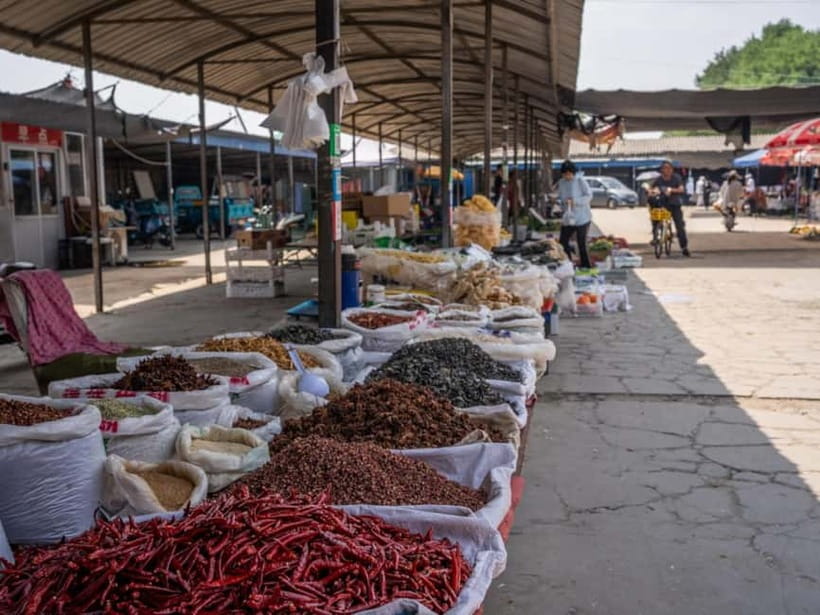
- Shopping the Organic Market for Seasonal Vegan Ingredients
- Cooking With Sanxia: Dumplings, Noodles, and Classic Flavors
- Tea Ceremony and Vegan Dim Sum While Your Food Cooks
- Sitting Down to a Full Meal and Real Stories
- The Xiangshan Bookmark and Your Photo/Video Take-Home
- Price and Value: What You’re Paying For at $47
- Who This Tour Fits Best in Beijing (and Who Might Skip It)
- Should You Book This Vegan Home Cooking Tour With Sanxia?
- FAQ
- How long is the vegan cooking experience?
- Where do I meet Sanxia?
- What’s included in the price?
- What dishes will we learn to make?
- Are there language options?
- Is transportation included?
- Are there any rules I should know?
Key reasons this tour works
- Organic market ingredient hunt led by your host, with hands-on picking of seasonal produce
- Traditional Chinese vegan dishes taught in a home setting, including dumplings and noodles
- Tea ceremony moments (red, green, white) paired with homemade vegan dim sum while food cooks
- A meal with real conversation, including stories from Sanxia’s travels across 30+ countries
- Xiangshan Fragrant Hills handmade bookmark plus professional photos and videos to take home
A Home Kitchen Start Near Tuqiao Subway Station
The day kicks off near Tu Qiao subway station in Beijing’s Tongzhou District. You begin with a welcome and a quick intro, then you head out to the market before you come back to cook in Sanxia’s place.
This is a private group setup (up to 1–8 people), which matters more than it sounds. In a bigger tour, you can get split up, rushed, or stuck waiting. Here, the experience feels like it has room for questions and small adjustments—especially since you’re cooking.
Timing is also worth planning around. The core is listed as 4 hours, but it can run 4–6 hours depending on the group. That makes it best for days when you don’t have a tight second reservation right after. If you prefer to bounce from attraction to attraction all day, you might feel you’re “staying put” too long—so check your style.
You can also read our reviews of more tours and experiences in Beijing

Shopping the Organic Market for Seasonal Vegan Ingredients
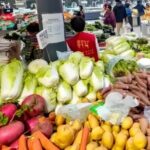
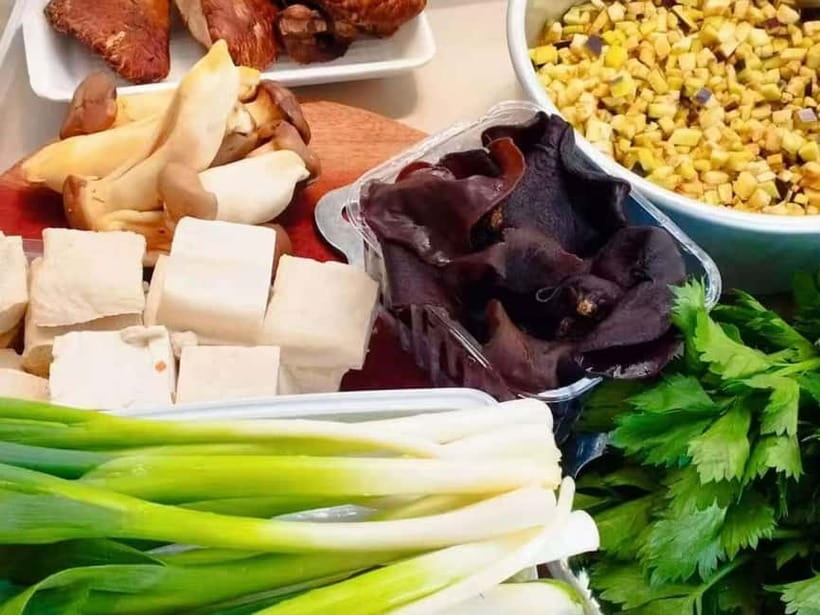
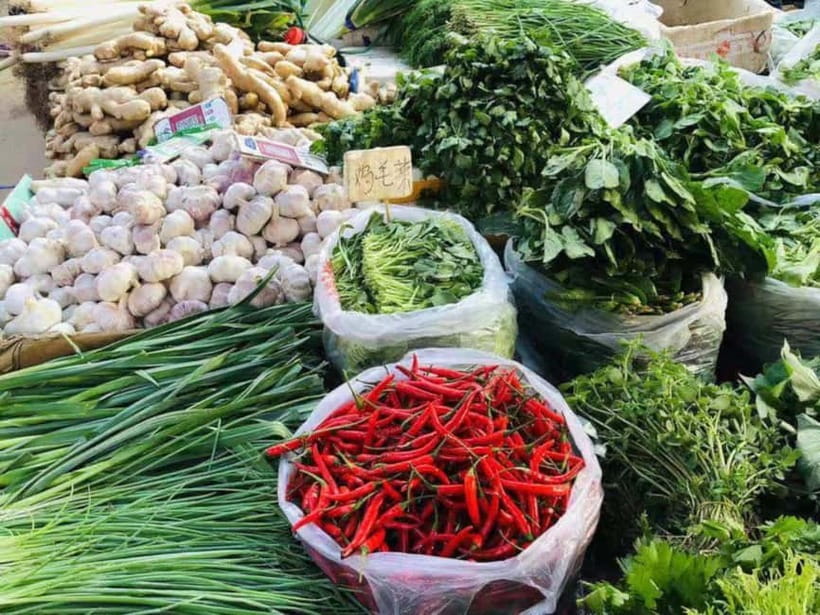
The market visit is where this tour earns its keep. You don’t just walk past stalls. You’ll handpick fresh ingredients with Sanxia—vegetables, tofu, grains, mushrooms, and herbs—then learn how these plant-based staples fit into Chinese food traditions.
I like this part because it changes your mindset from I’m eating vegan food to I’m building it. You start noticing flavors and textures that you’d never think to buy at random: which mushrooms are meant for certain stir-fries, how herbs smell when you crush them, and how tofu behaves once it’s cooked.
You also get time to talk with local sellers and learn what’s in season. Menus on the cooking side vary by the season and by guest preference, so the market trip directly shapes what ends up on your plate. In other words: you’re not just following a scripted class. You’re helping decide the menu with what looks best that day.
Practical note: comfortable clothes are a must. Markets involve walking, standing, and hands-on selection.
Cooking With Sanxia: Dumplings, Noodles, and Classic Flavors
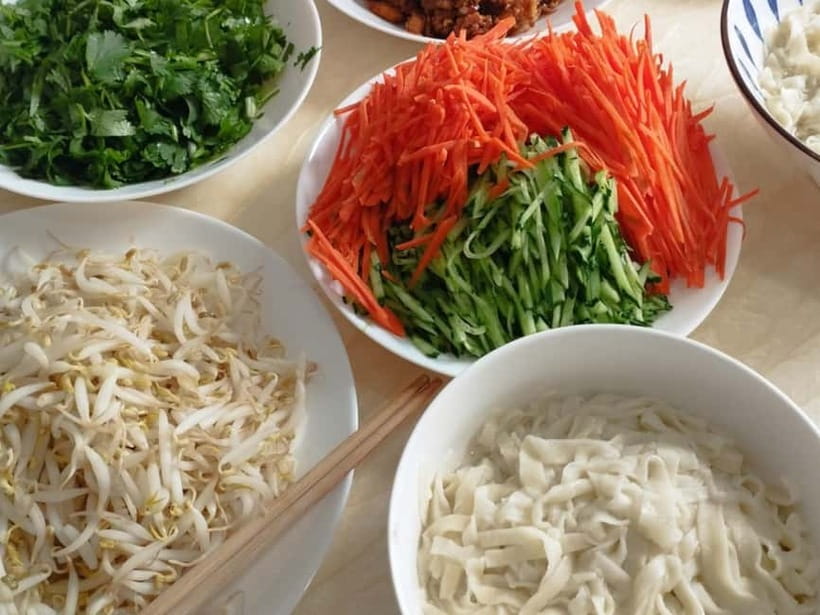
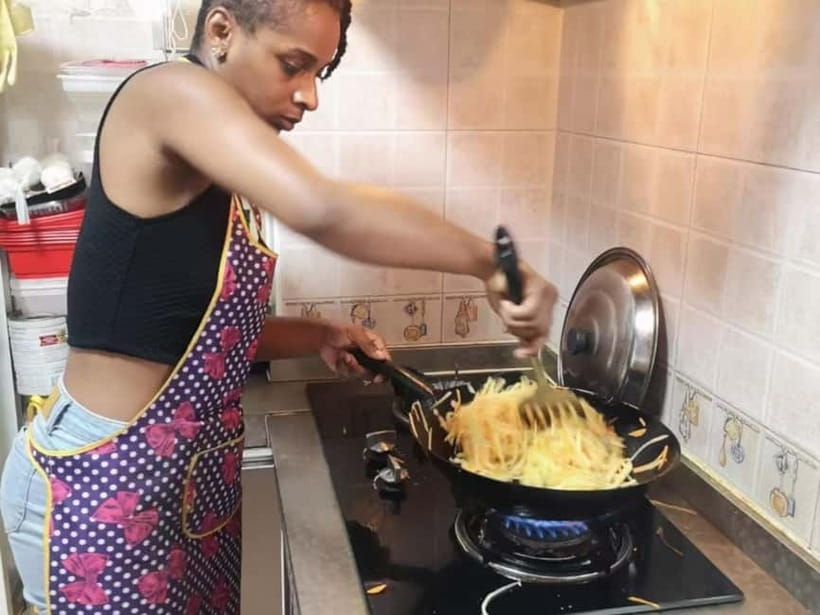
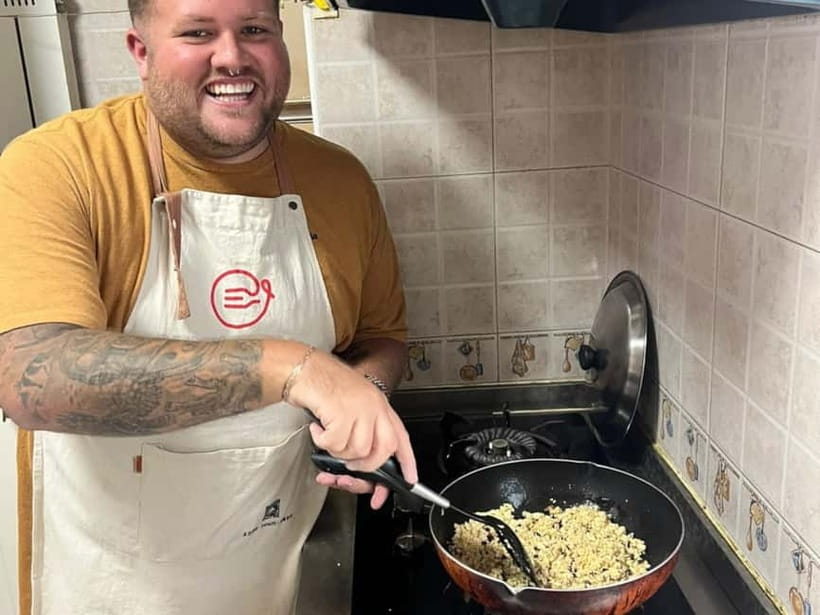
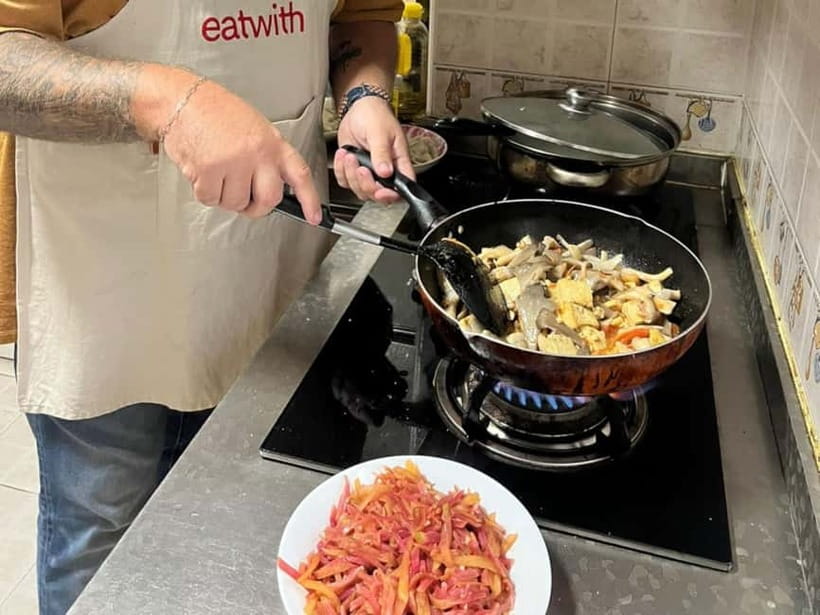
Back at Sanxia’s home, you shift into the fun part: a hands-on vegan cooking class in a real everyday kitchen. You’ll get to cook traditional Chinese vegan dishes, including techniques that feel both structured and relaxed.
The menu can change, but the core building blocks are clearly traditional:
- handmade dumplings
- steamed buns
- stir-fried vegetable dishes
- sesame noodles
- millet porridge
What makes this section especially valuable is that you’re doing it yourself. Dumplings and buns aren’t “one step” foods. You’ll work through dough handling, shaping, and cooking method choices. Even if you’re not the most confident cook, the home setting usually makes it easier to ask for help without feeling like you’re on a stage.
Also, you’ll likely work with ingredients you chose earlier. That keeps the whole experience coherent. Instead of snapping photos and moving on, you’re learning what each ingredient is for—and how it fits into a meal.
One more small but important point: this class isn’t only about technique. It’s about learning how everyday vegan Chinese food actually tastes when made from scratch. If you’ve only had vegan food that leans heavy on substitutes, you may be pleasantly surprised by how much flavor comes from classic sauces, sesame notes, and balanced vegetable cooking.
Tea Ceremony and Vegan Dim Sum While Your Food Cooks
While dishes are cooking, the tour brings in a traditional tea ceremony moment. You’ll taste red, green, and white teas alongside homemade vegan dim sum.
This is the kind of break that makes the cooking flow better, not worse. You’re not waiting around with nothing to do. You’re building context: how tea changes the mood, how different teas feel in your body, and how light bites can reset your palate while bigger dishes finish.
If you like details, this is also where you can ask questions. Your host can explain how tea fits into daily life and why you might pair different teas with different foods—even when everything stays plant-based.
And yes, you’ll end up eating well. Dumplings, noodles, and porridge are already satisfying; the tea and dim sum add texture variety so the meal doesn’t feel like one long “main course only” experience.
Sitting Down to a Full Meal and Real Stories
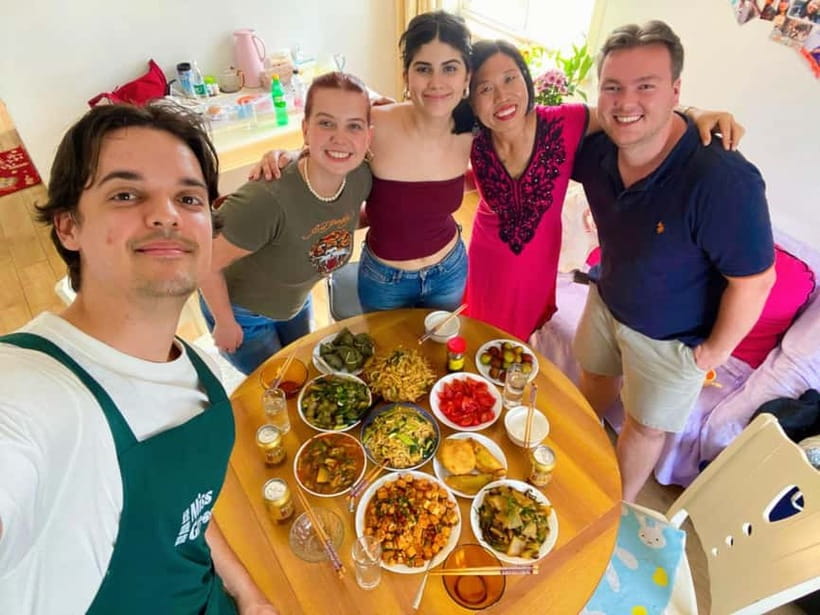
After the cooking, you eat what you made together. This is the heart of the experience: dining as conversation, not dining as a checkpoint.
You’ll share stories and cultural insights with Sanxia, including her journey across 30+ countries. That kind of travel background matters because it often turns a food lesson into a real exchange—she can connect Chinese everyday life to what you’ve seen elsewhere, and you can compare how vegan choices show up in different places.
It also helps that the group is small. In one booking example, Lisa from Germany ended up spending much more time together than expected—meeting early for the market, then continuing through the day with Sanxia, her boyfriend Jürgen, and friends. That’s not something to assume on your trip, but it shows how warm and social the experience can become when the group clicks.
Henry (from the UK) also highlighted learning not just cooking skills, but everyday life in Beijing. That tracks with what you’ll do here: a market, a home kitchen, and a shared meal. You’re not only consuming food. You’re learning the rhythm behind it.
You can also read our reviews of more shopping tours in Beijing



The Xiangshan Bookmark and Your Photo/Video Take-Home
Ending with a personal souvenir is a smart touch. You receive a handmade bookmark from Fragrant Hills, also known as Xiangshan, plus professional photos and videos of your experience.
This is practical value. Photos and video help you remember the shaping of dumplings, the tea table moment, and the finished dishes—things you might forget once the day blurs into travel fatigue. And the Xiangshan bookmark isn’t a random store item. It’s tied directly to the experience’s theme and gives you something small enough to use immediately.
If you like collecting food-people-places souvenirs rather than magnet culture, this fits well.
Price and Value: What You’re Paying For at $47
At $47 per person for a 4-hour experience (often 4–6 hours), you’re not just buying a cooking class. You’re getting a full package:
- a guided market ingredient hunt
- a hands-on vegan cooking class
- time to cook and eat together
- tea tasting with a ceremony
- a souvenir bookmark
- professional photos and videos
The biggest value isn’t any single item—it’s the sequence. Market → home cooking → tea → shared meal. Many food experiences in big cities either focus on sightseeing or on cooking, but not all four in one smooth rhythm.
Also, you’re learning in English or Chinese with an instructor/host, and you’re in a private group setting. That’s harder to price fairly if you try to compare it to generic classes.
One cost consideration: transportation to the location isn’t included. That’s normal, but it affects true “all-in” budget. If you’re coming from elsewhere in Beijing, factor in the subway taxi time and cost.
Who This Tour Fits Best in Beijing (and Who Might Skip It)
This is a strong match if you:
- want authentic vegan Chinese home cooking instead of restaurant versions
- enjoy hands-on skills like dumpling and noodle making
- like tea and small cultural rituals that slow the day down
- are traveling solo or in a small group and want conversation built in
It’s also a good pick if you’re staying in or near Tongzhou and want something that feels local without turning into a long commute. The meeting points are near Tu Qiao and the experience ends back near Linhe Li, so it’s relatively tidy for transit planning.
You might reconsider if your priority is fast, ticket-based sightseeing. This is not designed as a “hit three places in two hours” activity. It’s designed for learning and eating.
Should You Book This Vegan Home Cooking Tour With Sanxia?
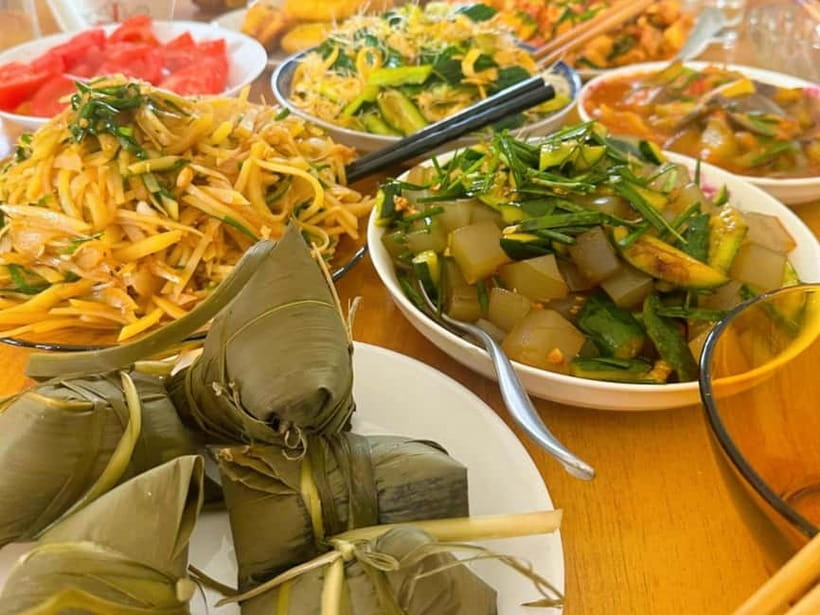
If you like food that has a story, this is an easy yes. The best part is that you don’t just learn recipes—you shop for ingredients, cook traditional vegan dishes, drink tea, and eat together in a home setting led by Sanxia.
Book it if you want:
- real hands-on cooking
- a smaller, calmer experience in Beijing
- plant-based Chinese food made with care, not gimmicks
Skip it only if you need a tightly scheduled sightseeing day or you dislike spending a chunk of time in one place learning techniques. Otherwise, this $47 experience is the kind that leaves you with skills, tastes, and a souvenir that actually means something.
FAQ
How long is the vegan cooking experience?
It lasts about 4 hours, but it can run 4–6 hours depending on group size.
Where do I meet Sanxia?
The meeting is near Tu Qiao subway station in Tongzhou District, with a specific home address listed on booking: Floor 19, Unit 2, Building 109, Fangheng Dongjing Community, Linheli Road, Tongzhou District, Beijing.
What’s included in the price?
You get a guided market visit, a hands-on vegan cooking class, the vegan meal, tea tasting, a handmade bookmark from Fragrant Hills (Xiangshan), and professional photos/videos of the experience.
What dishes will we learn to make?
You’ll make handmade dumplings and noodles, and you may also prepare dishes like steamed buns, stir-fried vegetables, sesame noodles, and millet porridge. The exact menu can vary by season and guest preferences.
Are there language options?
Yes. The experience is available in English or Chinese.
Is transportation included?
No. Transportation to the location isn’t included.
Are there any rules I should know?
Smoking isn’t allowed during the experience.