REVIEW · BEIJING
Online Cooking Class Beijing Dumplings and Cuisine by Sunflowerli Renowned Chef
Book on Viator →Operated by Sunflower Tours China · Bookable on Viator
A Zoom cooking class can feel like a food postcard. This one lets you learn from Chef Miss Li (Sunflowerli) in real time, while the pre-sent ingredient list helps you show up ready to cook. You pick your dish, your pace, and even vegan options, and the class is flexible across time zones.
What I really like is the mix of hands-on cooking and clear teaching. You get from-scratch recipes and step-by-step guidance, plus an outline of what to buy that arrives ahead of time so you are not scrambling right before dinner. I also like that the teacher tailors the class to your level, so a first-timer and a confident home cook are both likely to learn something useful.
One consideration: you still need to source the ingredients yourself. If your local shops are limited (or you hate substitutions), you’ll want to check the list early and be ready to adjust.
In This Review
- Key Things That Make This Class Worth Your Time
- Food Learning With Zero Jet Lag: How This Online Beijing Class Works
- Picking Your Dish: Dumplings, Noodles, Dim Sum, and the Classics
- The Pre-Class Ingredient List: Why It Improves the Whole Experience
- Inside the Zoom Session With Chef Miss Li
- What You’ll Cook: From Dumplings to Mapo Tofu (and What Skills It Builds)
- Price and Value: Is $20 Really Fair for a Private Class?
- Who This Class Suits Best (and Who Might Skip It)
- Practical Tips to Make Your Session Go Smoothly
- Should You Book This Beijing Dumplings and Cuisine Online Class?
- FAQ
- How long is the online cooking class?
- Is this class private or shared?
- What platform is used for the class?
- Do I need to buy ingredients?
- When do I receive the ingredients list?
- Can I change the class time?
- Do you offer vegan options?
- What dishes can I choose from?
- Is the class suitable for children?
- Is cancellation free?
Key Things That Make This Class Worth Your Time
- Chef-led, private Zoom teaching: Only your group joins the session, so you can ask questions.
- Ingredient list arrives before class: You get it three days in advance to shop calmly.
- Dish choices beyond dumplings: Options include hand-pulled noodles, dim sum, fried rice, wonton, and more.
- Recipes are from scratch: You learn real technique, not just assembly shortcuts.
- Vegan options available: You can choose a plant-based version where offered.
- Flexible scheduling across time zones: You can adjust your session time if needed.
Food Learning With Zero Jet Lag: How This Online Beijing Class Works
This experience is built for one big goal: learning Chinese cooking without leaving your kitchen. You book a time slot, join a live Zoom session with your teacher, and cook alongside Chef Miss Li from Beijing. The class is designed to feel practical, like you are following a real cook step-by-step rather than watching a generic cooking video.
The class is also structured to reduce stress. Once you schedule, you receive instructions and a full ingredients list ahead of time. That matters because Chinese cooking often depends on specific aromatics and sauces. When you can shop early, you can actually focus on technique during the class.
The setup is private, too. It is not a crowded group call where you get one-way answers. Instead, you and your group cook in the same session with direct guidance.
You can also read our reviews of more cooking classes in Beijing
Picking Your Dish: Dumplings, Noodles, Dim Sum, and the Classics
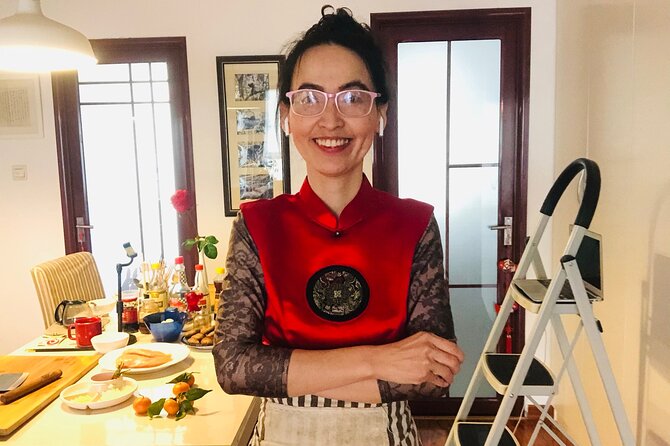
The menu options are broad, so you can choose something that matches what you want to learn and what you are willing to cook. Dumplings are the headline, but you are not locked into one style. Based on the options listed, you can choose from classes such as:
- Hand Pulled Noodles
- Dumplings
- Fried Rice
- Dim Sum
- Steamed Buns
- Wonton
- Lo Mein
- Dandan Noodles
- Sesame Chicken
- Kung Pao Chicken
- Mapo Tofu
- Chicken Broccoli
- Orange Chicken
This choice is more than variety for variety’s sake. Each dish teaches a different skill. Dumplings focus on wrapper handling and filling balance. Noodles teach dough consistency and the mechanics of stretching or portioning. Stir-fried dishes train timing and heat control. Steamed buns add dough shaping and steaming technique.
And yes, vegan options are available. If you choose a vegan-friendly class, you’re still working with the same core approach—just adapted to plant-based ingredients.
The Pre-Class Ingredient List: Why It Improves the Whole Experience
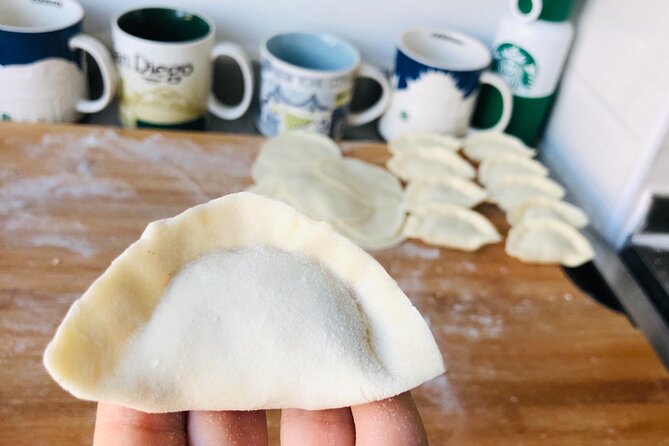
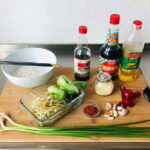
This class stands out for something simple: you get a full ingredients list three days in advance. That gives you time to shop, compare brands, and plan substitutions if a specific ingredient is hard to find.
I like this approach because it changes the way you cook. Instead of showing up late with a guessing game, you arrive with the right items—or at least with a substitution plan. That makes the Zoom session smoother, and it gives the teacher less time explaining basics and more time coaching technique.
A practical tip: treat the ingredient list like your shopping checklist, not a casual guideline. If you want dumplings to look and taste right, wrapper thickness, filling seasoning, and key sauces matter. The early notice helps you handle those details.
Inside the Zoom Session With Chef Miss Li
When the class begins, the teacher meets you on Zoom. Timing is flexible and can be changed if your schedule or time zone needs adjusting. That flexibility is a real advantage for online learning, because travel plans and workdays are unpredictable.
During the session, you follow along while the teacher explains what you’re doing and why it matters. The teaching style is described as warm, patient, and attentive, with clear step-by-step guidance. You’ll likely appreciate the teacher’s focus on correcting small mistakes early—like shaping issues or how a dough behaves under your hands.
One detail that makes a difference for online cooking: good camera coverage. In the feedback, people mention being able to see what’s happening and following instructions with help from multiple camera angles. That kind of visibility matters when you’re learning things like folding dumplings, portioning noodle strands, or shaping buns.
The class length runs about 60 to 90 minutes (listed as approx. 1 hour 30 minutes). That is long enough for real technique practice, but short enough that you can finish, eat, and still have an evening left.
What You’ll Cook: From Dumplings to Mapo Tofu (and What Skills It Builds)
Even if you pick a different dish each time, the core idea stays the same: you make it from scratch and learn the process. The experience is framed around cooking Chinese dishes such as dumplings, dim sum, mapo tofu, and kung pao chicken, and it includes hand-on cooking rather than passive watching.
Here is how the major options translate into skills you can reuse:
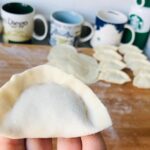
Dumplings (and wonton): You focus on filling balance, wrapper handling, and sealing. The teacher’s guidance is especially helpful when dumplings do not want to look right at first. The goal is not perfection. It is learning a fold and understanding how the dough behaves when it is sealed and cooked.
Hand-pulled noodles: This class is more physical and dough-focused. You learn how dough texture affects stretch and shape. People who enjoy noodles often find this the most memorable class type because it feels like you are learning a hands-on craft, not only a recipe.
Fried rice, lo mein, and similar stir-fry styles: These teach timing and heat management. The biggest win here is learning how you build flavor without turning your meal into a soggy or overcooked mess.
Steamed buns and dim sum-style foods: You practice shaping and steaming technique. Steaming is also a great way to reduce the fear factor of deep frying or high-heat wok cooking, while still getting a classic result.
Kung Pao chicken and sesame chicken: You learn how sauces cling and how stir-fry steps affect texture. This is often the kind of dish that tastes restaurant-good once you understand how the flavors are built.
Mapo tofu: This tends to focus on making a sauce properly and handling tofu so it stays intact. If you like savory, spicy comfort food, it is a strong choice.
If you have dietary restrictions, the teacher asks about them and can adjust the menu to fit. Vegan options are explicitly available, but you should still communicate your needs early.
You can also read our reviews of more tours and experiences in Beijing

Price and Value: Is $20 Really Fair for a Private Class?
The price is listed as $20.00 per person, and the booking lead time averages around 8 days. On paper, it sounds almost too affordable for a private online class with a real chef and a custom-tailored ingredient list.
The value comes from the combination, not one single detail. You are paying for:
- A private Zoom class with Chef Miss Li
- A full ingredients list arriving three days in advance
- Recipe instruction with technique coaching
- Option to choose vegan and select among multiple dish types
For people who learn better by doing (not reading a recipe and hoping), this setup is cost-effective. You also save money compared to buying a dumpling class in person with travel, since there is no commuting time, and you keep the learning at home.
That said, remember the ingredients are not included. You’ll still need to buy what you do not already have. If your kitchen is already well stocked, the effective cost feels even better.
Who This Class Suits Best (and Who Might Skip It)
This is a great fit if you want a fun, structured way to learn Chinese cooking at home. I especially think it works for:
- Couples and families who want a shared activity
- Solo learners who enjoy guided practice
- People curious about Chinese culture through food but who cannot travel right now
- Anyone looking for beginner-to-intermediate instruction with flexibility
It may be less ideal if you:
- Struggle to find several specific ingredients locally
- Hate meal prep and shopping ahead of time
- Prefer learning through in-person guided shopping or restaurant-style tasting rather than cooking
One more thought: because it is live and focused on your group, you should plan for the session to be uninterrupted. If you often get pulled away during dinner prep, the learning momentum can get harder to keep.
Practical Tips to Make Your Session Go Smoothly
You’ll get the best results by treating this like a real class, not a casual cooking experiment.
Get set up early. Have your workstation clear and your ingredients measured or grouped before the Zoom call starts.
Use the ingredient list seriously. It arrives ahead for a reason. If you plan to substitute, do it thoughtfully and early, not during the cook.
Plan your time. The class runs around 60 to 90 minutes. Even if you are fast, you’ll want a little buffer so you do not rush the folding, steaming, or sauce steps.
Ask questions as you go. The teaching style is patient and attentive, so use the time. Small tweaks can change dumplings from frustrating to satisfying.
Pick a dish that matches your comfort level. Dumplings and noodles are hands-on and teach a lot. If you want something more straightforward for a first session, fried rice or a simpler stir-fry style might feel more manageable.
Should You Book This Beijing Dumplings and Cuisine Online Class?
If you want a clear path into Chinese home cooking, I think you should book it—especially if you like making food with your hands and learning technique you can reuse. The biggest wins are the ingredient list three days ahead, the live coaching with Chef Miss Li, and the range of dishes from dumplings to noodles to mapo tofu and kung pao chicken.
I would skip or reconsider only if sourcing ingredients is a deal-breaker for you. Since ingredients are not included, you’ll want to be confident you can buy what the list calls for (or that you can substitute without losing the result you want).
If you want a virtual trip to Beijing that ends with something you can eat, this is one of the simplest ways to do it.
FAQ
How long is the online cooking class?
The class runs about 1 hour 30 minutes (approximately). It is typically 60 to 90 minutes long.
Is this class private or shared?
It is private. Only your group participates.
What platform is used for the class?
The class is held on Zoom (live online).
Do I need to buy ingredients?
Yes. Ingredients are not included, and you’ll need to shop for what the ingredient list specifies.
When do I receive the ingredients list?
You receive the full ingredients list about three days in advance.
Can I change the class time?
Yes. Scheduling is flexible, and the time can be changed to suit your schedule and time zone.
Do you offer vegan options?
Yes. Vegan options are available.
What dishes can I choose from?
You can choose among options such as hand-pulled noodles, dumplings, fried rice, dim sum, steamed buns, wonton, lo mein, dandan noodles, sesame chicken, kung pao chicken, mapo tofu, chicken broccoli, and orange chicken.
Is the class suitable for children?
Children must be accompanied by an adult.
Is cancellation free?
Yes. Free cancellation is available, and you must cancel at least 24 hours before the start time for a full refund.
If you want, tell me which dish you’re leaning toward (dumplings, noodles, or something else), and I’ll help you think through what to prep before class so your first batch comes out confidently.