REVIEW · BEIJING
Beijing Calligraphy Class
Book on GetYourGuide →Operated by Hutong Calligraphy · Bookable on GetYourGuide
Brush strokes can calm your Beijing day. This short calligraphy class gives you a hands-on window into Chinese writing culture in a downtown setting, taught in English by an instructor who focuses on technique and feel. You can choose 30 minutes or 1 hour, and the lesson is built around learning styles, tools, and how to put strokes together with balance.
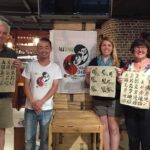
What I like most is the way the class turns practice into something meditative. You’re not just copying characters; you’re learning the why behind the motion—balance, rhythm, harmony—so the strokes start to make sense in your hand. I also love that it’s kid-friendly, so adults and families can sit together and make progress at the same pace.
One consideration: the session is short. In 30 minutes, you’ll get a solid start, but you should pick the 1-hour option if you want more repetition and time to refine your final piece.
In This Review
- Key highlights to know before you go
- Where this class happens: Sun World Dynasty, then into the studio
- Your practical walkthrough: what the lesson feels like minute to minute
- Regular, running, cursive, and seal: the styles you’ll actually learn
- The tools of ink and rice paper: why this class is more than copying
- Balance, rhythm, and harmony: the mindset behind the strokes
- Characters with meaning: culture lessons you can feel in your hands
- What you get for the $20: value you can measure
- Getting to the meeting point: Sun World Dynasty and Metro Line 5
- Who this class is perfect for (and who should consider something longer)
- Should you book the Beijing Calligraphy Class?
- FAQ
- How long is the Beijing Calligraphy Class?
- Where do I meet the instructor?
- Is the class taught in English?
- What’s included in the class price?
- What should I expect to pay for besides the class?
- Can I get a refund if my plans change?
Key highlights to know before you go
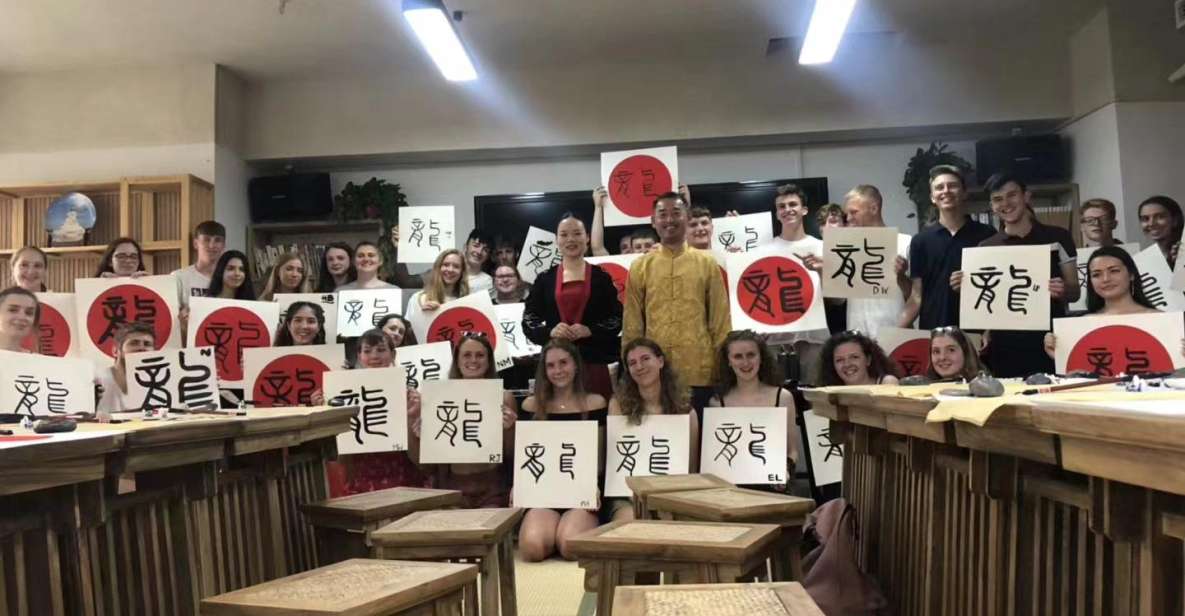
- English instruction makes the techniques and character meanings easy to follow.
- Multiple calligraphy styles are introduced, including regular, running, cursive, and seal script.
- All the core tools are covered, from brushes to ink stone to rice paper.
- Technique meets mindset with lessons that stress focus, patience, and calm control.
- Meaningful characters are part of the learning, not just decoration.
- A take-home result is built into the experience, so you can bring a real souvenir home.
Where this class happens: Sun World Dynasty, then into the studio
The meeting point is simple: your calligraphy teacher waits for you at the Sun World Dynasty Hotel Lobby (No. 50 Wangfujing Avenue, Dongcheng District, Beijing). It’s a convenient start if you’re already staying around Wangfujing, and it helps you avoid the hassle of figuring out the studio from scratch.
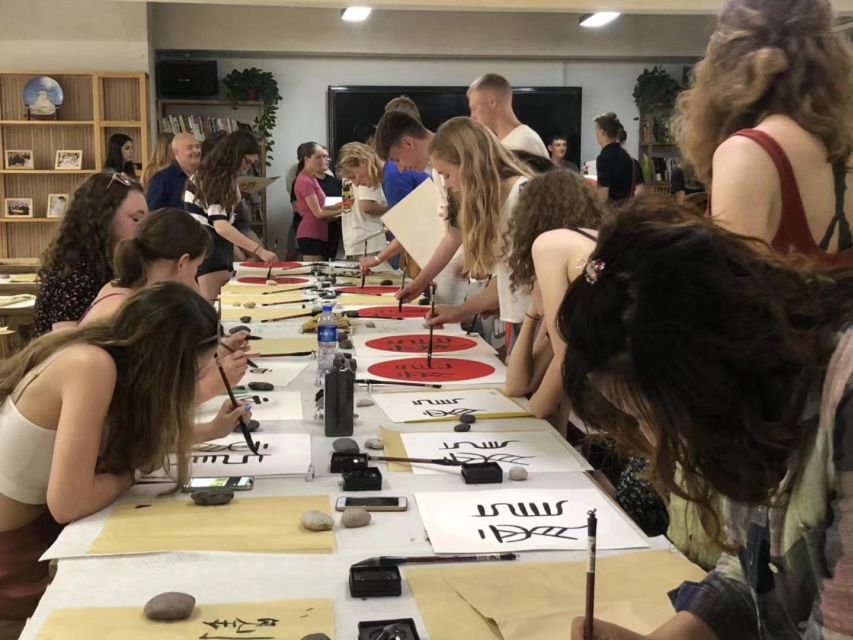
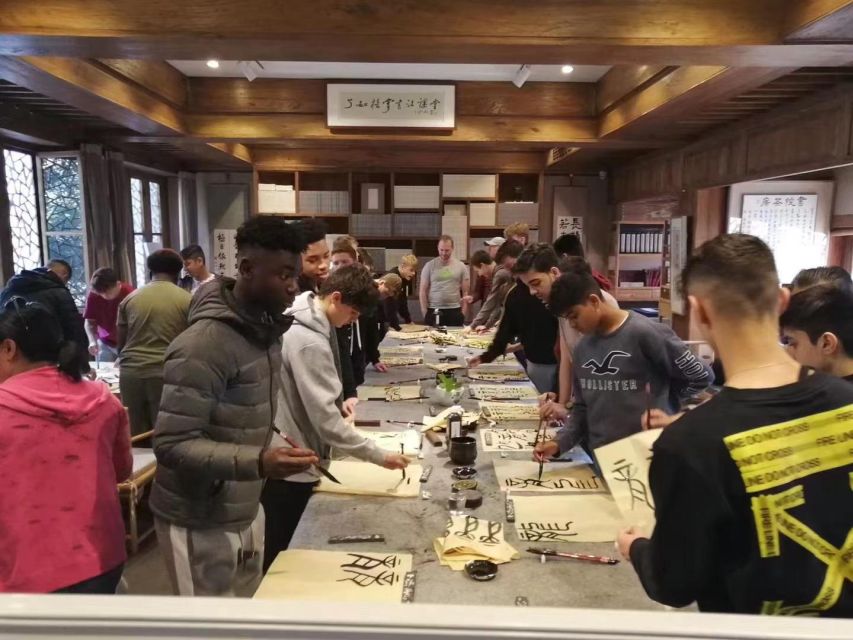
From there, you’ll be guided into the calligraphy setup in downtown Beijing. You’ll notice the class vibe right away: calm seating, tools laid out, and a focus on doing rather than watching. Many sessions include small moments of hospitality like tea, which fits the pacing of the practice.
If you’re short on time in your day, this is one of the easiest cultural activities to slot in. The 30 minutes to 1 hour format means you won’t feel like Beijing swallowed your whole afternoon.
You can also read our reviews of more tours and experiences in Beijing


Your practical walkthrough: what the lesson feels like minute to minute
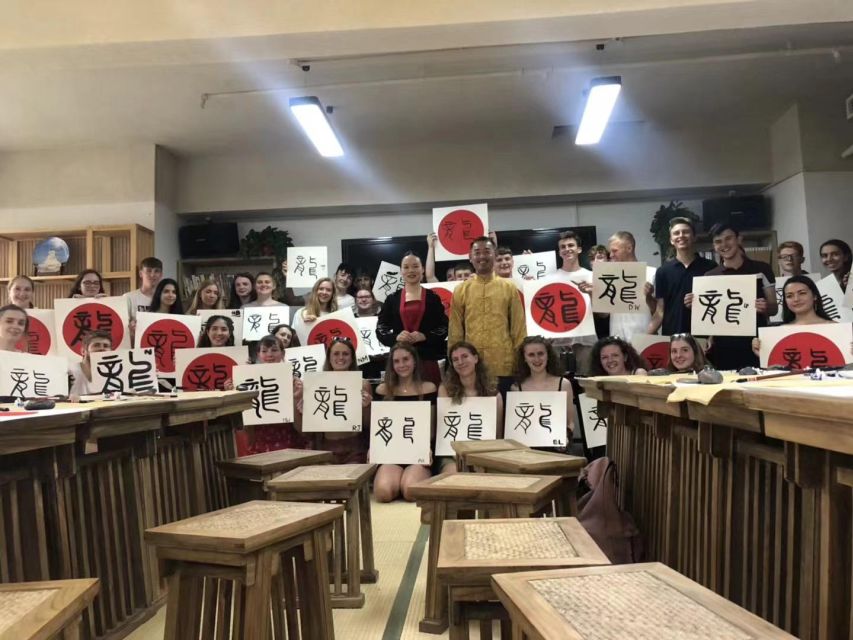
Most classes follow a clear arc: welcome, background, tools, practice, then a finished character piece.
First comes a quick introduction to what Chinese calligraphy is and why it matters. You’ll talk through the significance of calligraphy in Chinese culture and how different styles developed for different kinds of writing and expression.
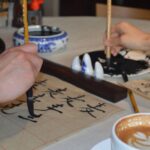
Next, your teacher breaks down the tools you’ll use—especially the difference between controlling the brush versus just drawing lines. You’ll learn what the brush, ink stone, and rice paper are for, and why each one changes how your strokes look and behave.
Then you get into the practice part: starting with simple brush strokes, moving toward more structured character writing. The teacher pays attention to your hand position and motion, and guides you on the small adjustments that make a stroke look intentional instead of shaky.
Finally, you complete a piece you can keep. Even when people have limited time, the instruction is aimed at ending with a result—not leaving you with blank pages and no tangible outcome. If you choose the 1-hour option, you’ll usually get more repetition and a cleaner final character.
Regular, running, cursive, and seal: the styles you’ll actually learn
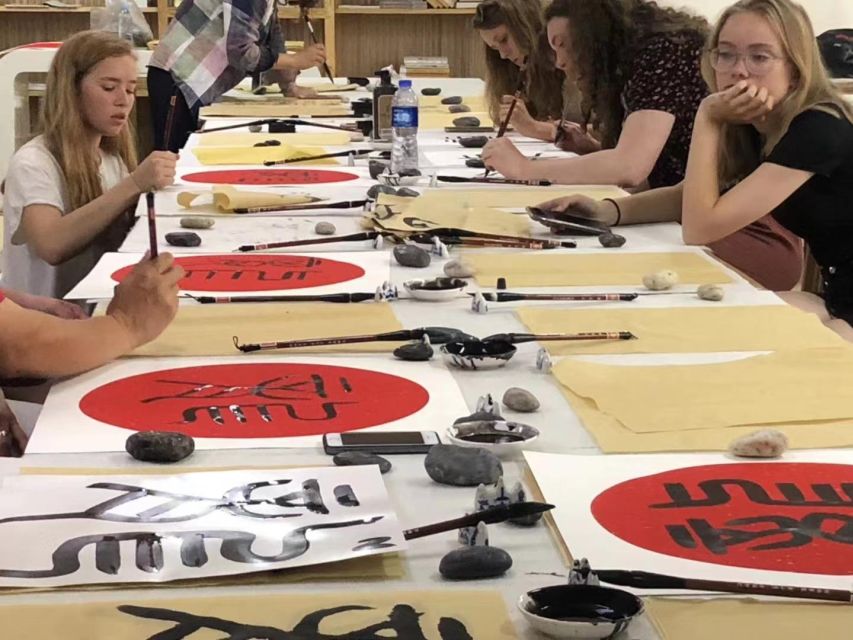
The class doesn’t just say calligraphy is calligraphy. You’ll get an overview of four calligraphy styles: regular script, running script, cursive script, and seal script. That matters because each style trains a slightly different relationship between control and speed.
Here’s what that means in real terms while you write:
- Regular script tends to feel structured and balanced, with strokes that look orderly and clear.
- Running script looks smoother and faster, where motion starts to flow more than it locks in.
- Cursive script can look expressive and quick, with strokes that connect in a freer way.
- Seal script is more distinctive in character shape, and it helps you see the history of Chinese writing.
You don’t have to memorize definitions. The value is that your teacher uses these styles to help you understand what your brush can do. Over the session, you’ll practice the core mechanics—pressure, direction, and timing—so you can recognize style differences when you see them in the city.
The tools of ink and rice paper: why this class is more than copying
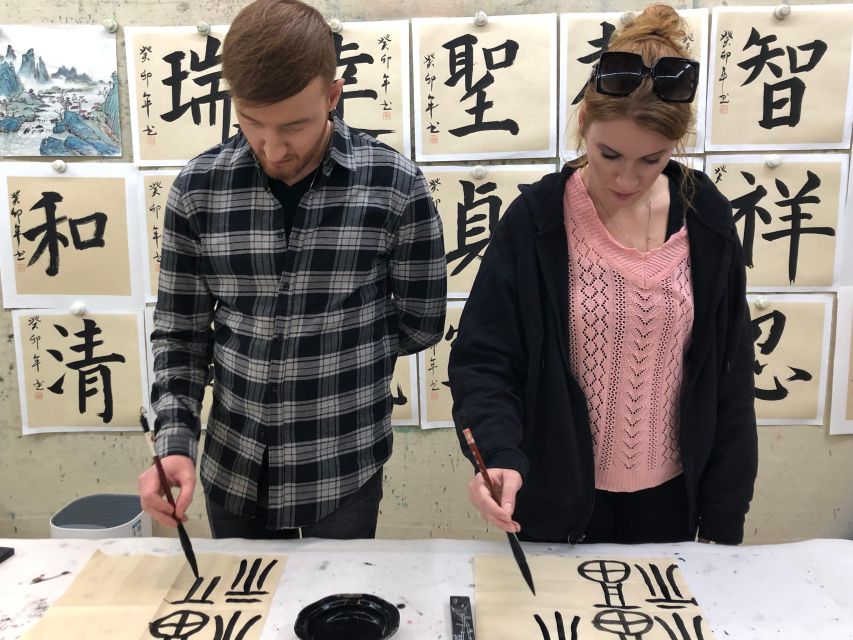
A lot of art activities stop at letting you try something. This one explains the tools, which changes your results fast.
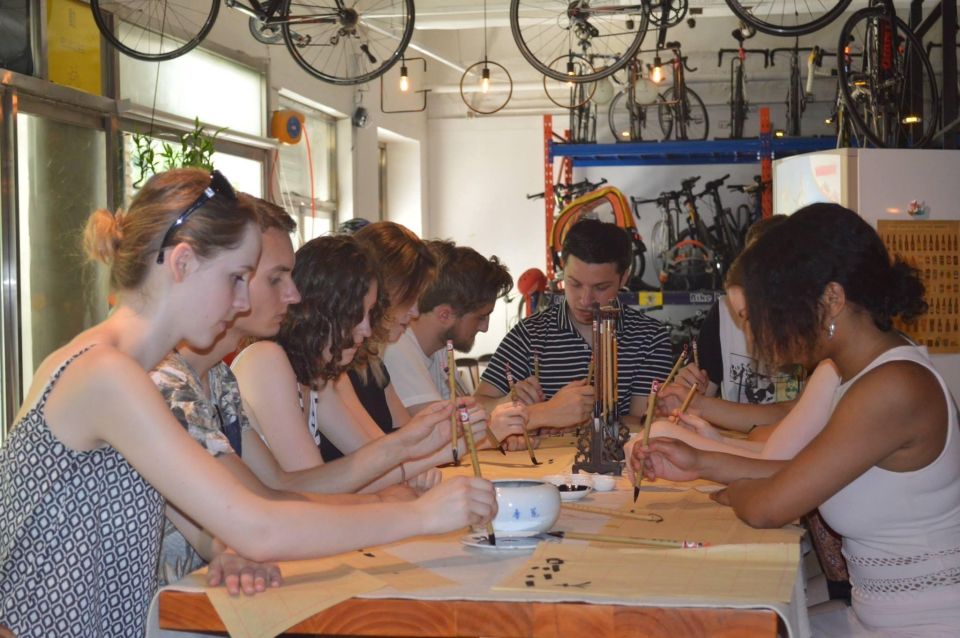
You’ll use brushes and ink tools like an ink stone, plus rice paper for the writing. Each one has an effect:
- With a brush, the stroke changes based on how you grip and how you move.
- With ink, the flow and consistency can make the line look heavy, light, or uneven.
- With rice paper, absorption shapes how quickly the ink settles and how edges appear.
The teacher also emphasizes the basics of stroke construction—from single lines to more complex combinations. That’s where the class becomes skill-building rather than craft-time. You’re learning rules you can reuse later, even after the session ends.
And yes, you’re expected to slow down. Your teacher pushes the idea that calligraphy rewards patience and focus, not speed. The repetition is part of the point.
Balance, rhythm, and harmony: the mindset behind the strokes
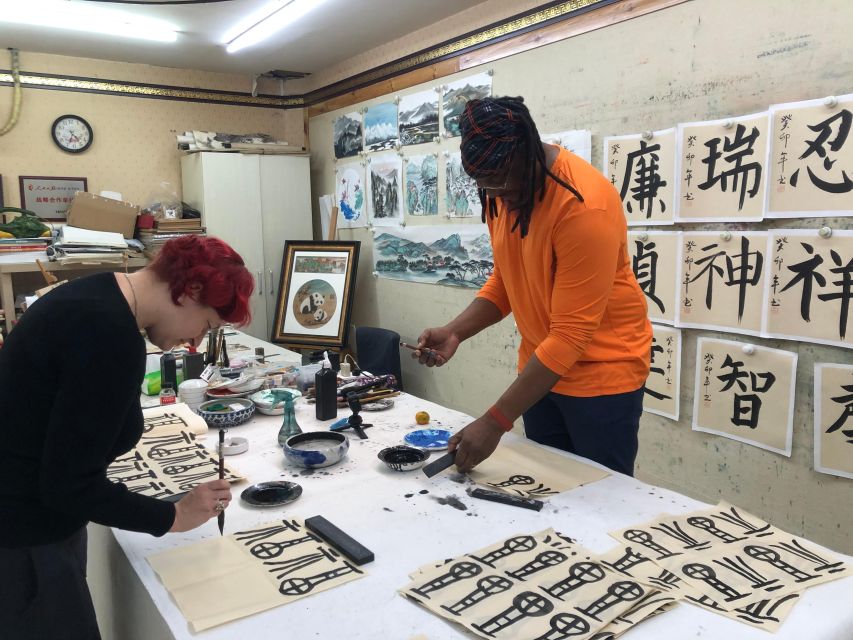
Calligraphy can look decorative in photos. In this class, it’s treated as a form of concentrated calm.
You’ll hear guidance around balance, rhythm, and harmony in the written character. Those aren’t abstract words. In practice, they translate into how you space strokes, how you control curve and straight lines, and how you finish without wobbling at the end.
Many people end the class feeling noticeably calmer. That’s not just a mood; it’s the effect of having an activity with clear physical rules. Your mind gets a job (focus on stroke direction and consistency), and the rest of your day quiets down.
I like that the teacher connects technique to mindset. You’re not only learning how to write; you’re learning how to pay attention. If you’ve been bouncing between Beijing sights, this is a nice counterbalance.


Characters with meaning: culture lessons you can feel in your hands
The cultural piece isn’t tacked on. Your teacher shares culture meanings behind certain characters, so the writing has context instead of being random practice.
That meaning helps your brain lock into the task. When you understand what you’re writing and why it’s chosen, your strokes feel less like random marks and more like intentional communication.
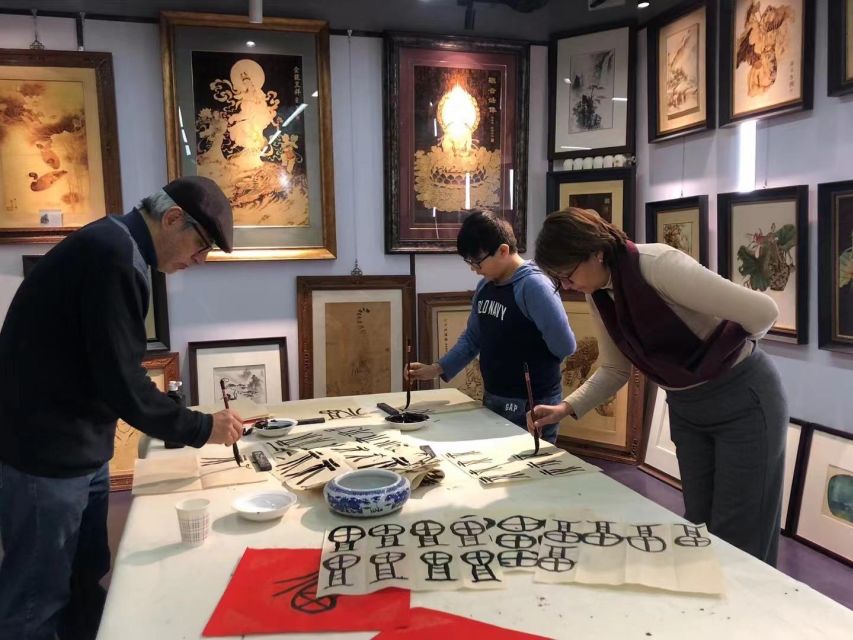
You may also hear philosophical comments connected to Chinese thought. In past sessions, teachers have shared sayings linked to harmony and unity, such as One World One Heart. If that comes up for you, it fits perfectly with the meditative pace of the lesson.
Bottom line: you’ll leave with a character that has a story behind it, not just a piece of paper.
What you get for the $20: value you can measure
The price is $20 per person, and the class runs 30 minutes to 1 hour depending on what you choose. That’s a fair price range for a guided, hands-on skill session, especially one that includes supplies and English instruction.
Value is strongest if you want one of two things:
1) A short, structured taste of calligraphy with tools included.
2) A calm cultural activity that doesn’t require prior experience.
The supplies are a key part of the value. You don’t need to hunt for a brush kit, ink, or rice paper in advance. Your teacher provides what you need, teaches you how to use it, and helps you get a finished result.
If you’re serious about improving your strokes, I’d lean toward the 1-hour slot. It gives you more chances to correct your form and repeat the strokes that need work.
Getting to the meeting point: Sun World Dynasty and Metro Line 5
The easiest route depends on where you’re staying.
- If you’re around Wangfujing downtown, you can likely walk to the Sun World Dynasty Hotel lobby without major detours.
- If you’re using the subway: take Line 5 and get off at Deng Shi Kou Station (Exit A) (灯市口出口A). From there, you walk about 2 minutes (around 180 meters) toward the left, turn left at the first traffic light, then walk about 5 minutes (around 480 meters) west. Total walk time is roughly 8 minutes.
- Taxi is straightforward if you prefer door-to-door, though traffic can slow you down during peak times.
Having the meeting point pinned to a named hotel is a big deal in Beijing. It saves you time and stress when you’re juggling multiple plans.
Who this class is perfect for (and who should consider something longer)
This calligraphy class is a strong fit for:
- Beginners who want guidance without feeling awkward.
- Families with kids, since the pacing and instruction style work well across ages.
- Travelers who want something calm, focused, and cultural, not only sightseeing.
It’s also a good choice if you want a souvenir that’s personal. Writing your own meaningful character beats buying something decorative off a shelf. You’ll have a finished piece tied to your time in Beijing.
Who might want more time? If your goal is to learn calligraphy at a deeper level (stroke work mastery, multiple characters, composition skills), the session’s 30 minutes to 1 hour window will feel like an introduction rather than a full course.
Still, even as a starter activity, it’s the kind of thing that changes how you look at Chinese writing afterward.
Should you book the Beijing Calligraphy Class?
If you want a short activity that feels thoughtful, teachable, and genuinely cultural, I’d book it. The best part is the balance: you learn technique and culture at the same time, and the instruction style is built around calm focus. The experience is also English-taught, which removes a lot of friction for non-Chinese speakers.
Pick the 1-hour option if you want a cleaner final result and more repetition. Choose 30 minutes if you’re squeezing it into a busy day and still want a real hands-on outcome.
One last practical tip: go in with a relaxed attitude about perfection. Calligraphy rewards control and consistency, but the session is designed so you can improve during the class, not prove you already know how.
FAQ
How long is the Beijing Calligraphy Class?
You can choose a 30-minute class or a 1-hour class, depending on availability.
Where do I meet the instructor?
Meet your teacher at the Sun World Dynasty Hotel Lobby, No. 50 Wangfujing Avenue, Dongcheng District, Beijing, China.
Is the class taught in English?
Yes. The instruction is in English.
What’s included in the class price?
The class includes the art teacher, the calligraphy class time you choose (30 minutes or 1 hour), and calligraphy supplies to use during the session.
What should I expect to pay for besides the class?
Your price does not include taxi and subway fare or personal shopping expenses, plus any other expenses not listed as included.
Can I get a refund if my plans change?
Yes. You can cancel up to 24 hours in advance for a full refund. You can also reserve now and pay later.