REVIEW · BEIJING
Chinese Kungfu class in old temple beside Forbidden Ci
Book on GetYourGuide →Operated by Bayi Teahouse · Bookable on GetYourGuide
Kungfu training feels different when it’s in a real neighborhood. Here you learn basic Chinese styles in a 700-year hutong inheritance courtyard beside the Forbidden City east gate, taught by a master who started Shaolin training at age five. I love the fact that this isn’t just poses for photos; it includes practical self-defense ideas you can actually use. I also like how the class is explained in English by the guide, so you don’t miss the point. One possible drawback: it’s a focused 1-hour lesson, so you’ll leave energized but not fully trained like a long-term student.
The whole experience also has strong “local life” energy. You start in a small hutong setting, practice with a professional teacher, and end up with a better sense of how the tradition works in daily movement—not just on a stage. English support is built in, and the teacher is described as patient and detail-focused, including corrections and demonstrations. If you’re sensitive to getting sweaty or want to stay perfectly dry, bring an extra t-shirt to change after.
In This Review
- Key things to know before you go
- Kungfu training steps into hutong life by the Forbidden City
- The Pudusi inheritance courtyard: why the setting matters for your practice
- The 1-hour lesson: Shaolin basics, forms, and practical self-defense
- What you can do during training
- Your teacher and the English translator team-up
- Optional tea ceremony: a calm start that fits the tradition
- What you get for $45: good value for hands-on training
- Where it fits in your Beijing plan (and how not to waste time)
- Who should book this kungfu class?
- Small souvenirs and gear: the training uniform option
- Should you book this kungfu class?
- FAQ
- How long is the kungfu class?
- Where does the class take place?
- What styles will I learn?
- Is there English support during the lesson?
- Do I get training suits?
- Is tea ceremony included?
- Is this good for beginners?
- Can I request a one-on-one session?
- What’s the cancellation rule?
- Is there a specific price and who pays?
Key things to know before you go
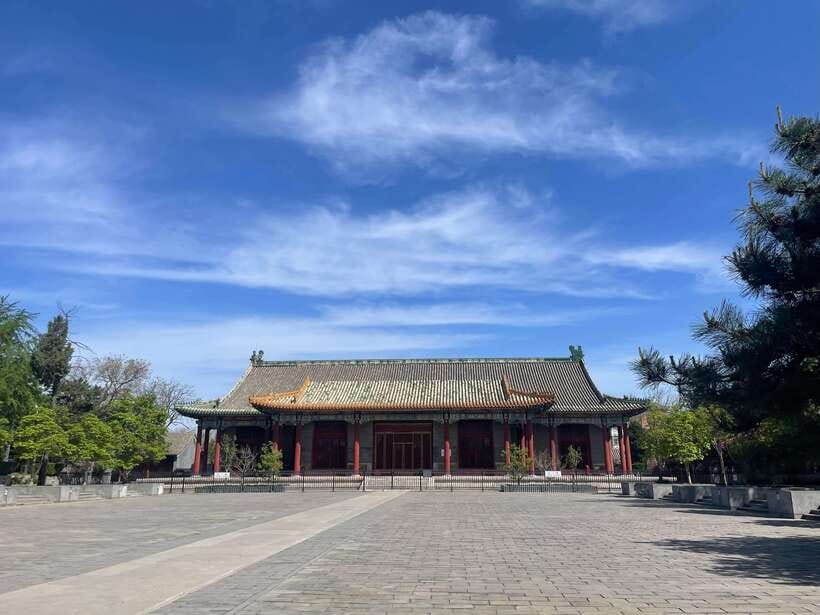
- 700-year hutong courtyard setting right by the Forbidden City east gate
- Shaolin-rooted instruction plus other traditional Chinese kungfu forms
- English translation support from your guide while the master teaches
- Practical self-defense focus using real-life attack and defense movements
- Optional tea ceremony pairing on some schedules, done in a small hutong house
- Traditional training suits available (outer + inner + pants) if you want to buy
Kungfu training steps into hutong life by the Forbidden City
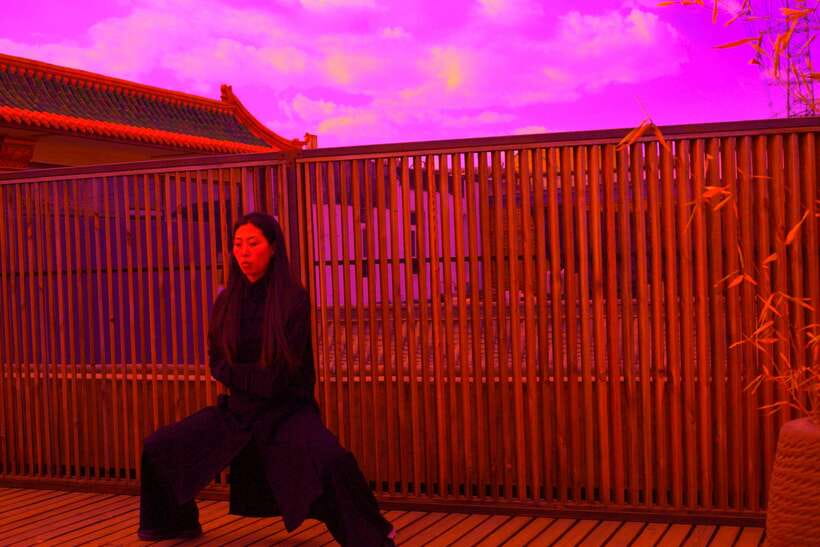
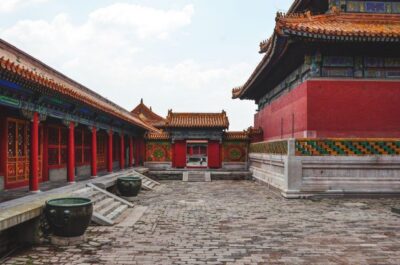
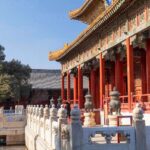
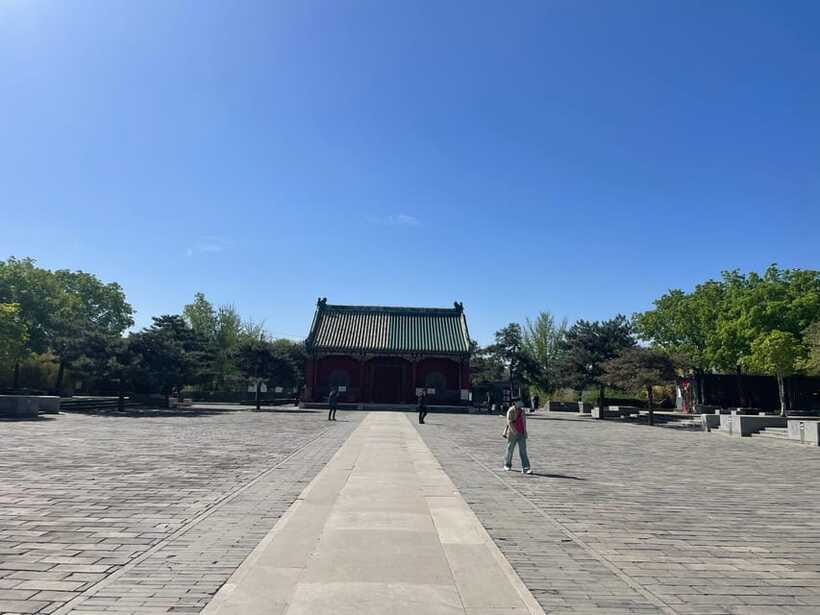
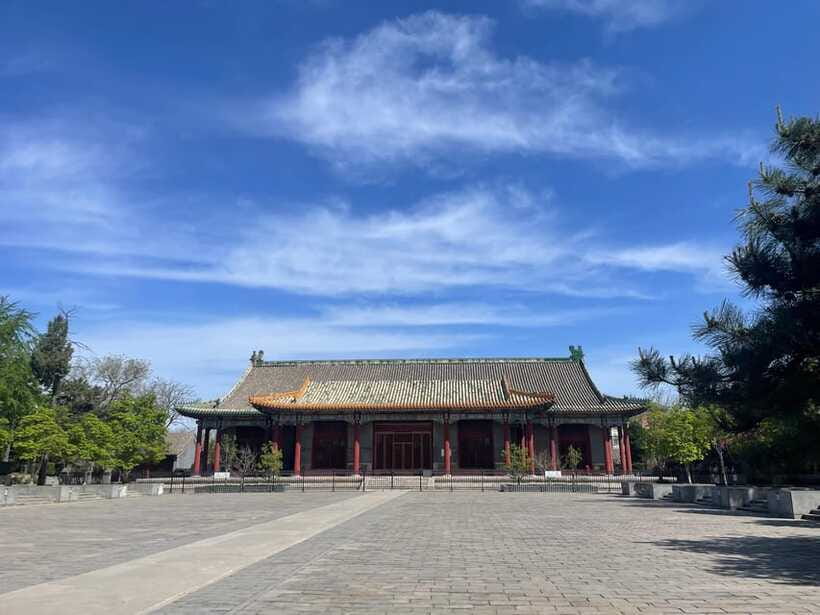
This experience works because it doesn’t feel like a museum demo. It happens in an everyday hutong area—tight streets, old courtyard walls, and that slow rhythm you only get when you’re not trapped in a tourist bubble. The setting is also a big deal: the class is held in the Pudusi inheritance area, described as a royal-temple inheritance with almost 700 years of history.
So yes, you’re near a world-famous landmark. But the lesson itself is about something more personal: learning how traditional Chinese kungfu is taught, understood, and used as movement training. That’s why it feels cultural, not just athletic.
You can also read our reviews of more tours and experiences in Beijing



The Pudusi inheritance courtyard: why the setting matters for your practice
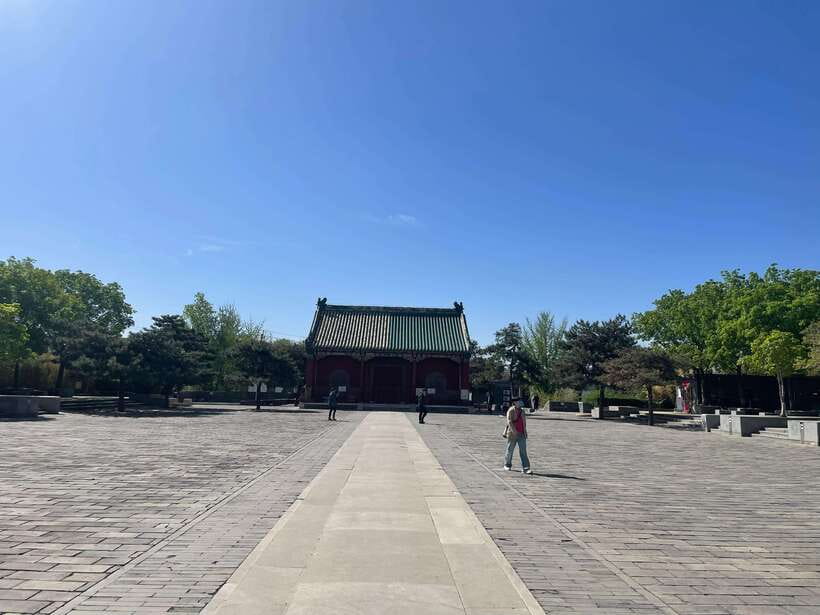
You’re not practicing in a generic studio. You’re in a traditional residential-and-temple-style inheritance courtyard area next to the Forbidden City’s east gate. That matters for two reasons.
First, your body picks up context fast. The movements feel more natural when you’re in a space that matches the tradition—courtyard scale, old-structure echoes, and a floor plan designed for everyday life and rituals.
Second, it changes your attitude. In a tourist show, you watch. In this kind of courtyard setting, you learn how the training is structured: posture, control, balance, and then practical application. The reviews emphasize that the teacher corrects and guides you carefully, which makes a big difference when you’re new.
The 1-hour lesson: Shaolin basics, forms, and practical self-defense
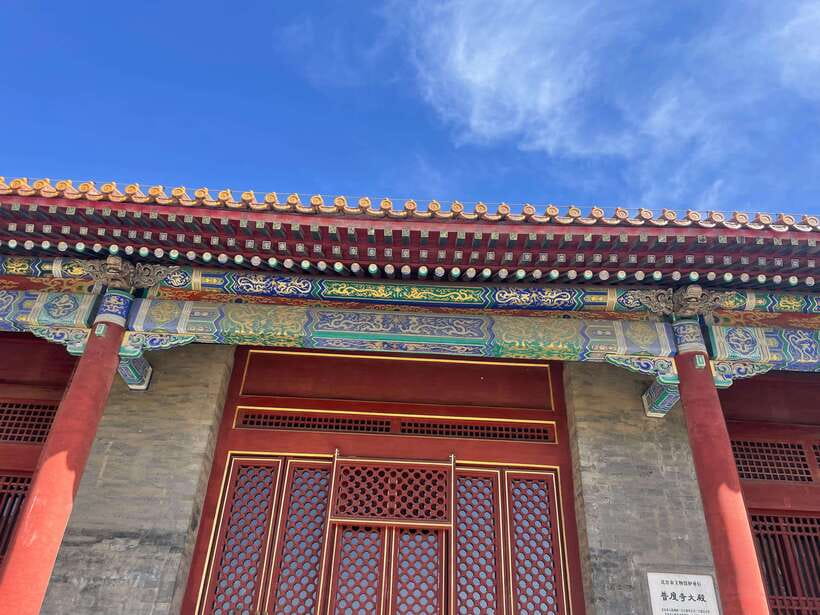
The core activity is a 1-hour Chinese kungfu class focused on basics and real-life use. You’ll learn foundational training and also how the techniques connect to situations that could happen in casual life. The teacher is described as being well trained since age five in Shaolin, with knowledge of Shaolin kungfu and multiple traditional styles.
Here’s what that usually means for you as a beginner: you get a guided path instead of random moves. Expect demonstrations, then repetition with corrections. Multiple reviews mention the instructor’s patience and attention to doing things correctly. One review even notes that the self-defense and attack movements were taught with a specific focus for a girl, which is a helpful reminder that the goal isn’t fighting fantasy—it’s practical control.
Also pay attention to the “spirit” part of the class. The description is clear: you’re not only learning techniques to perform, you’re learning the mindset and use that comes with traditional kungfu. In practical terms, that usually shows up as calm control, stable stances, and the idea that movement is meant to work, not just look impressive.
What you can do during training
From the way the lesson is described, you’ll likely rotate through:
- Basic kungfu training drills (posture, stance, and controlled motion)
- A few technique sequences derived from traditional styles
- Practical self-defense applications explained in simple, usable terms
- Guided practice with real-time feedback from the master
Your teacher and the English translator team-up
English is included. Your guide or greeter provides translation while the master teaches. In the reviews, Limeng is specifically mentioned as the helpful English-speaking guide. That translation layer matters more than it sounds. When you understand the purpose of a movement—why a hand position matters, why a step is placed—it sticks better and feels less like memorizing.

Optional tea ceremony: a calm start that fits the tradition
Some schedules can include a tea ceremony right before kungfu practice. One review describes it starting in a small house in the hutong, with the guide explaining details and you trying two types of tea plus a small snack. If your day includes this, it typically lasts about an hour.
Why tea belongs here: kungfu isn’t only kicks and punches. It’s discipline, breathing, and respect for tradition. Tea is a simple way to slow down and get your brain into the right mode before you start moving—especially if you arrive a bit scattered from sightseeing.
If you have a timing-sensitive itinerary, ask what your day order is before you go. Some days are tea + kungfu. Others focus on kungfu only.
What you get for $45: good value for hands-on training
At $45 per person, this class is priced like a real experience, not like a tourist attraction. The value comes from three things:
- A professional kungfu master teaching you basics and practical use
- English support, so you don’t get lost in translation
- Hands-on practice instead of watching someone else perform
That combination is hard to find in Beijing-area pricing. Multiple reviews call out that it’s a fair price for the quality, especially compared to more common, high-cost sightseeing alternatives.
Also, the teacher is described as correcting your technique, not just letting you run around. That’s where value shows up. A cheaper class that teaches no feedback can leave you confused. Here, you’re guided step by step.
One small practical note: the lesson can be physical. One review jokes about bringing an extra t-shirt to change afterward. Even if you don’t sweat a lot, you’ll probably want to freshen up.
Where it fits in your Beijing plan (and how not to waste time)
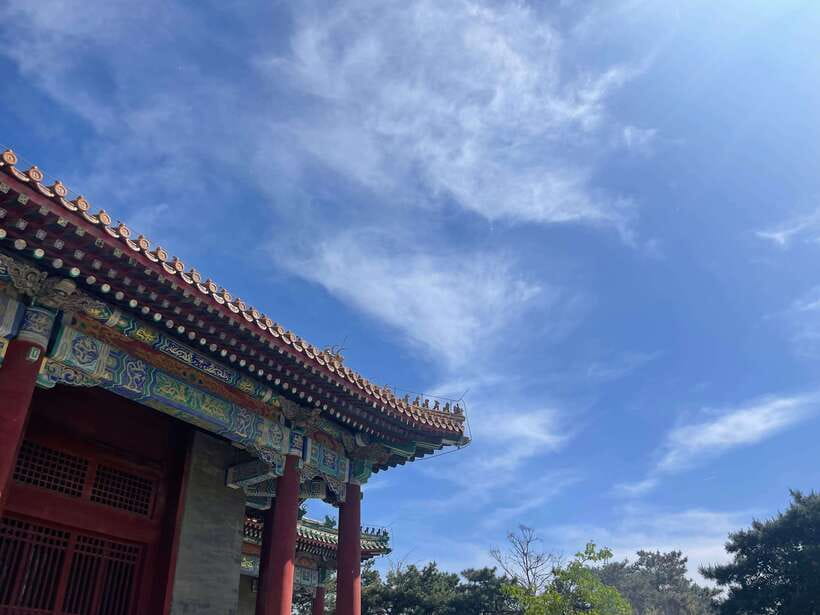
Because the class is held right next to the Forbidden City east gate, it’s easy to pair with an early visit to that area. You can plan your day around the landmark and then finish with movement training in a quieter neighborhood.
The activity is listed as valid over 3 days, and you’ll check availability for starting times. That’s a key planning point: you’re not necessarily committing to a three-day training camp. Instead, the operator seems to offer sessions across a three-day window, so you should choose the day/time that fits your sightseeing rhythm.
If you’re staying nearby, this becomes even better. You’ll spend less time in transit and more time doing something active.
Who should book this kungfu class?
This is a strong match if:
- You want a hands-on cultural activity, not just photos
- You like seeing how traditions teach basics
- You want some practical self-defense principles, taught in a beginner-friendly way
- You prefer small, personal instruction with English translation
It’s also a great option if you’re traveling with mixed interests—someone who wants to see old Beijing buildings can enjoy the hutong setting, and someone who wants movement gets a real class.
You might consider skipping or at least lowering expectations if:
- You only want a long, intensive martial arts session (this is a 1-hour class)
- You’re looking for a pure performance show rather than training and corrections
- You dislike physical movement, even at a basic level
Small souvenirs and gear: the training uniform option
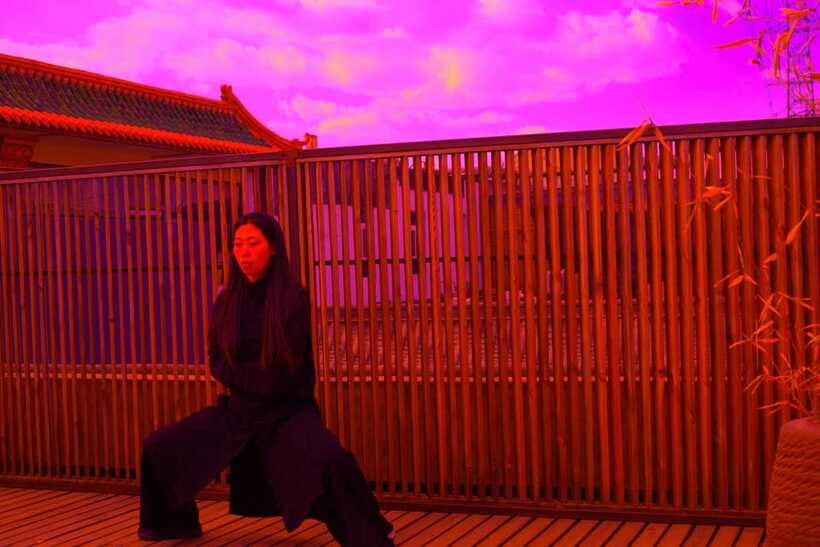
Your experience includes traditional kungfu practicing suits in the overall setup described for the activity: two suits (outer and inner) plus pants. If you want to buy them, the message is clear: contact the provider for choosing size and color.
I like this because it gives you a meaningful souvenir that connects to what you actually did, not just another fridge magnet. If you do plan to purchase, think ahead about sizing and what you’ll pack home.
Should you book this kungfu class?
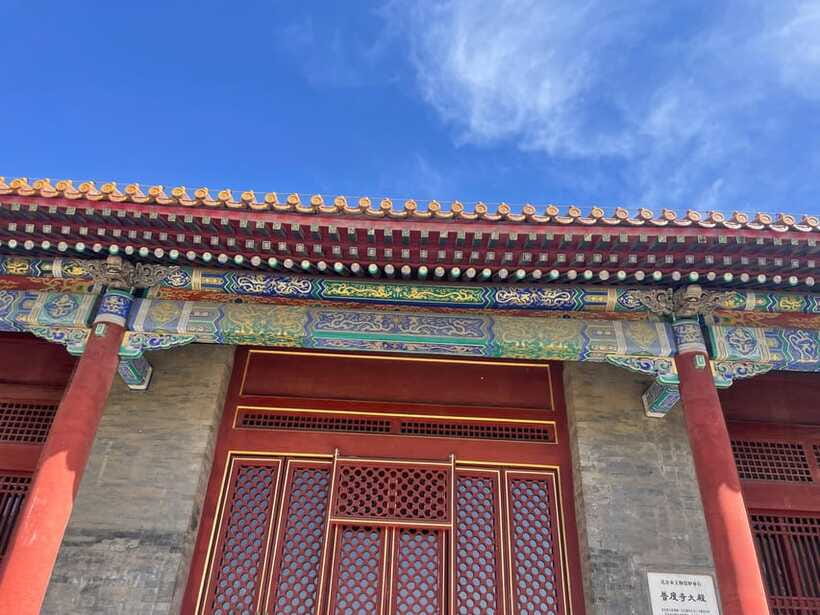
Yes, I’d book it if you want an active, authentic Beijing moment tied to real old-city space. The biggest reasons are straightforward: you practice with a professional Shaolin-trained master, you get practical self-defense ideas (not just showy technique), and you’re supported by English translation from the guide, including names like Limeng in the experience.
If you’re on the fence because you’re short on time, don’t worry. A focused 1-hour class can be exactly the right “first contact” with kungfu tradition—especially when it’s set in a 700-year hutong inheritance courtyard right by the Forbidden City east gate.
FAQ
How long is the kungfu class?
The kungfu training session is about 1 hour.
Where does the class take place?
It takes place in a hutong area inside the Pudusi inheritance, located right beside the east gate of the Forbidden City.
What styles will I learn?
You’ll learn Shaolin kungfu basics and other traditional Chinese kungfu styles/forms, taught by the professional master.
Is there English support during the lesson?
Yes. The host/greeter provides English support, and translation is available during the class.
Do I get training suits?
Traditional kungfu practicing suits are mentioned as being provided in the experience (two suits plus pants). If you want to buy them, you’ll need to contact the provider to choose size and color.
Is tea ceremony included?
Tea ceremony is mentioned in some schedules, including a hutong tea ceremony described as lasting about 1 hour. Whether it’s on your exact day depends on the session.
Is this good for beginners?
It’s designed as an introduction. The class covers basic training and practical use, and the instruction is described as patient for newcomers.
Can I request a one-on-one session?
Some bookings have been described as one-to-one in the reviews. If you’re looking for that, you’ll want to check availability when reserving.
What’s the cancellation rule?
You can cancel up to 24 hours in advance for a full refund.
Is there a specific price and who pays?
The price is $45 per person.

show-tickets-400x111.jpg)