REVIEW · BEIJING
Beijing Lama Temple Entrance Ticket with Optional Guided Service
Book on Viator →Operated by Unique Beijing Tours · Bookable on Viator
A royal palace turned Tibetan temple. That mix is why Beijing’s Lama Temple still feels special. You’re stepping into a working Tibetan Buddhist site shaped during the Qing Dynasty, and today it’s both a place to worship and a living museum. With a pre-paid entrance ticket (and an optional guided add-on), you can focus on the spiritual details instead of losing time at busy windows.
I like two things most: first, the guided option can put real meaning behind what you’re seeing, including building use and religious symbolism. Second, the experience is designed around an easy entry flow using a QR code that many visitors say works smoothly. The one drawback to keep in mind is that a small number of people reported QR-ticket issues that led to needing to buy again at the temple, so you’ll want to prepare your QR in advance and give yourself buffer time.
In This Review
- Key things to know before you go
- What makes Yonghegong so different from a typical temple visit
- Entering the Lama Temple: what the ticket setup actually does for you
- Touring the main stop: Lama Temple (Yonghegong) in a way you can actually enjoy
- The story behind the buildings you’ll pass
- Incense ritual: the detail that can make the visit feel real
- Statues and spiritual artifacts: what to look for
- Crowds and pacing: how to keep the experience calm
- Optional English guidance: when it’s worth paying extra
- Choose the guide if you want context fast
- Skip the guide if you prefer a self-paced walk
- Price and value: $7 worth it, or just a pre-paid hassle?
- Getting there: location and what “near public transportation” means for you
- Common problems to avoid (based on real experiences)
- Should you book the Beijing Lama Temple entrance ticket with optional guided service?
- FAQ
- What’s included with the Lama Temple ticket?
- How does the QR code work, and when will I get it?
- Is this tour private or shared?
- How long should I plan for the visit?
- Is the Lama Temple near public transportation?
- Will the guide speak English?
- What if the visit is canceled due to weather?
Key things to know before you go

- Yonghegong is a real temple, not just a museum stop, so prayer moments are part of the visit
- Optional English guide can explain why buildings and objects matter in Tibetan Buddhism
- QR code timing matters: tickets are sent about 5 days before your date
- Queues can be manageable, but it’s still a major sight in Beijing
- Incense ritual details are easy to miss if you don’t watch what others are doing
- Keep contact info handy, in case your QR needs a resend or clarification
What makes Yonghegong so different from a typical temple visit
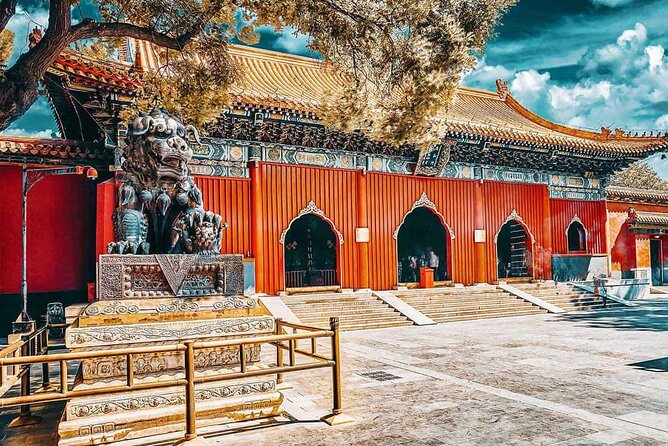
Beijing’s Lama Temple is also known as Yonghegong. It began as a palace and was converted into a Tibetan Buddhist temple under the Qianlong emperor during the Qing Dynasty. That royal-to-religious transformation is one reason the site feels distinct: the architecture carries palace scale, while the religious practice feels fully Tibetan.
What I find useful for planning is to treat the visit as two tracks at once. One track is visual: halls, courtyards, statues, and decorated interiors. The other track is practical: people are praying here, incense is part of the atmosphere, and that changes the pace and the mood. Even if you skip the guided option, you’ll get more from the site if you slow down for the prayer moments.
You can also read our reviews of more tours and experiences in Beijing



Entering the Lama Temple: what the ticket setup actually does for you

This is an entrance-ticket-first experience. If you choose the guided service, you’ll also get an English-speaking tour guide for your group; otherwise you’re using the admission ticket only.
The big “value” question is simple: does pre-paying with a QR code save you stress at the gate? Many reviews say yes—people reported the QR code working well and communication being quick. But since some visitors had trouble with invalid or unusable barcodes/QR codes, I’d plan like this:
- Download the QR code materials before travel day (email access can be annoying once you’re on the move).
- Take a screenshot so you’re not dependent on spotty connectivity.
- Arrive with extra time so you’re not rushed if you need help at the ticket office.
If you do everything above, the prepaid ticket usually turns the visit into a smoother, more predictable start.
Touring the main stop: Lama Temple (Yonghegong) in a way you can actually enjoy
The heart of this experience is the Lama Temple itself. Expect a long walk through connected spaces—courtyards and halls that each change the feel of the visit. This is one of those places where you’ll notice more if you go in with a small plan: don’t try to “see everything.” Pick key areas, then let the rest fill in around them.
The story behind the buildings you’ll pass
If you book the English guided option, this is where the add-on tends to pay off. Guides in the feedback were praised for explaining the history and usage of buildings inside the Lama Temple, plus finer religious details. In other words, you’re not just looking at architecture—you’re learning what those structures are for and why certain objects matter.
Even if you’re self-guided, you can still use that approach. As you move from hall to hall, ask yourself: what changes here—purpose, symbolism, or the kind of prayer being practiced?
Incense ritual: the detail that can make the visit feel real
One of the most memorable practical tips that came up is about the incense moment. When incense is offered, people take the sticks and participate in the ritual. The key advice: once you pass the portals, don’t forget to take the incense sticks. That simple step can turn the visit from “sightseeing” into something more alive.
You’ll also see that the prayer moments create their own rhythm. People gather, follow the flow, and spend time paying respects. If you’re filming or photographing, watch the area first so you don’t block the line of worship.
You can also read our reviews of more guided tours in Beijing






Statues and spiritual artifacts: what to look for
The Lama Temple is known for big religious artworks, and the details from the reviews point to a couple of specific standouts. People highlighted a sandalwood Maitreya (Buddha) statue and also mentioned a Buddha around 18 meters high in the later halls.
If your goal is meaning, here’s the trick: don’t just look at the statue’s size—notice where it is placed in the sequence of spaces. Big statuary often anchors a hall’s function, and seeing it in context makes it feel less random.
Crowds and pacing: how to keep the experience calm
This is a major Beijing attraction, so you can expect other visitors. Still, multiple reviews mention queues that move quickly and a generally smooth flow once you get in. That suggests a reasonable expectation: go slowly, let other people pass when needed, and don’t force a tight schedule.
If you’re sensitive to crowds, consider going earlier in the day (when you can). And if you’re traveling with kids or older relatives, the guided option can help keep everyone focused without constant “what are we looking at?” interruptions.
Optional English guidance: when it’s worth paying extra
The guided service is optional, so it’s smart to decide based on your style.
Choose the guide if you want context fast
In the reviews, guides were praised for clear English and for explaining both the religious details and the subtle meaning behind objects and buildings. Names that came up include Mina, Mike, Jack, and Kevin—all noted for making history and religious practice understandable.
If you’re the type who hates guessing, the guide can turn the visit into a guided story you can follow. You’ll likely spend your time looking with purpose rather than drifting.
Skip the guide if you prefer a self-paced walk
If you’re happy reading your own way through signs and just want the sights and the atmosphere, skipping the guide can still work well. The ticket includes entry either way, and the temple itself provides a steady stream of interesting moments—especially during prayer and incense time.
Price and value: $7 worth it, or just a pre-paid hassle?
At $7 per person, this ticket-and-optional-guide setup can feel like good value, especially if you’re trying to simplify entry. Group discounts are listed too, which can improve the math if you’re traveling with friends.
But here’s the balanced take: one review noted that the on-site entrance price can be around 25 yuan. That doesn’t automatically mean prepaid is bad—it might still be worth it if the QR flow is smooth and you value convenience. It does mean you should think of the total cost as convenience insurance, not a guaranteed bargain.
My practical suggestion is to treat this as a low-risk convenience choice if the QR code is reliable for your date. If you’re traveling with tight timing or you’re worried about QR access, it’s safer to plan extra time for gate assistance.
Getting there: location and what “near public transportation” means for you
The Lama Temple is described as near public transportation, which matters because this is a walk-and-take-in kind of visit. You don’t want transit to be the stress point.
Once you’re in the area, expect short walks between key points inside the complex, plus time spent moving with crowds. That makes good timing and comfortable shoes a real part of the experience.
Common problems to avoid (based on real experiences)
Most experiences seem smooth, but the negative feedback clusters around one theme: QR code validity and ticket access.
Some people reported arriving and being told their QR/barcode wasn’t valid, which then led to purchasing a new ticket at the temple. Others mentioned issues like not receiving a usable QR, or an app file that couldn’t be downloaded. And a few described cancellation during weather closures and delayed refund communication.
Here’s how you reduce your risk without overthinking it:
- Make sure you can access your email where the QR code is sent (tickets are sent about 5 days before).
- If you don’t see the QR, contact the operator using the provided contact details before travel day.
- Save screenshots and keep the QR accessible even if your phone data is unreliable.
- If weather disrupts the visit and the site closes, be ready that refunds and updates can follow platform timelines.
If you’re the type who hates surprises, planning like this turns a “maybe” into a “most likely smooth.”
Should you book the Beijing Lama Temple entrance ticket with optional guided service?
Book it if you want a simple, pre-paid entry into a major Beijing temple, and you’re open to spending time in prayer and incense atmospheres. I’d especially lean toward the guided option if you like understanding what you’re seeing, because the standout praise focused on guides explaining buildings, religious details, and the meaning behind key objects.
Skip the guide and self-guide if you prefer flexibility, or if your group doesn’t need context. But regardless, be ready for the one practical risk: QR access. If you prepare your QR code ahead of time and arrive with buffer time, this is one of those Beijing stops where the atmosphere does most of the work for you.
FAQ
What’s included with the Lama Temple ticket?
Your ticket includes entrance admission. If you select the guided option, you’ll also get an English-speaking tour guide.
How does the QR code work, and when will I get it?
The tickets are sent 5 days before your travel date. Confirmation is received at booking time, and the QR code is part of the entry process.
Is this tour private or shared?
This is a private tour/activity, so only your group participates.
How long should I plan for the visit?
The duration is listed as about 1 day.
Is the Lama Temple near public transportation?
Yes, it’s described as near public transportation, which should make getting there easier.
Will the guide speak English?
Yes—an English-speaking guide is included if you choose the option that includes guided service.
What if the visit is canceled due to weather?
The experience can be canceled due to weather closures. The cancellation terms provided include free cancellation up to 24 hours in advance for a full refund.
If you tell me your travel dates and whether you’re doing the guided option, I can help you plan a simple time strategy to keep the visit calm even with crowds.