REVIEW · BEIJING
Beijing Hutong Breakfast Food Tour
Book on Viator →Operated by UnTour Food Tours · Bookable on Viator
Golden hours start early in the hutongs. This 3-hour small-group breakfast walk takes you behind Lama Temple into backstreets where locals actually eat. I love how it turns breakfast into a guided city lesson, not just a food stop parade.
Two things I like a lot: the variety of classic morning dishes (from hot jianbing to silky tofu and sweet almond pudding), and the way your guide helps you order and understand the routines behind each bite. One thing to consider: you will be walking and eating pretty continuously, so go hungry and plan for a heavy start to the day.
In This Review
- Key things I’d plan around
- Why This Beijing Hutong Breakfast Tour Feels More Local Than a Food Street
- 8:00 am Meet-Up Near Lama Temple: What the Walkaround Is Really Like
- What You’ll Taste: Baozi, Jianbing, Tofu, Sweet Soy Milk, Donut Crumbs, and Almond Pudding
- Inside the Route: Lama Temple Hutongs, Everyday Breakfast Stops, and a Confucius-Area Finish
- Price and Value: Is $55 Worth a 3-Hour Breakfast Walk?
- Who This Tour Fits Best (and Who Might Want to Skip)
- Practical Tips So You Enjoy Every Stop (Not Just the First One)
- Final Verdict: Should You Book the Beijing Hutong Breakfast Food Tour?
- FAQ
- How long is the Beijing Hutong Breakfast Food Tour?
- What time does the tour start?
- Where do I meet the guide?
- Where does the tour end?
- What foods are included in the tastings?
- Is the group small?
- What’s included in the price?
- Is hotel pickup included?
- Can I cancel for a full refund?
Key things I’d plan around
- Small group size (max 8) keeps the tour personal and makes it easier to ask questions while you eat
- Tasting-heavy route is designed to cover a large part of breakfast, so you likely won’t need another meal soon after
- Off-the-main-street hutongs help you skip the obvious tourist strips and get closer to daily life
- Start near Lama Temple at 8:00 am, which means cooler mornings and fewer crowds
- Guide-led explanations connect foods to what people do in the neighborhood every day
Why This Beijing Hutong Breakfast Tour Feels More Local Than a Food Street
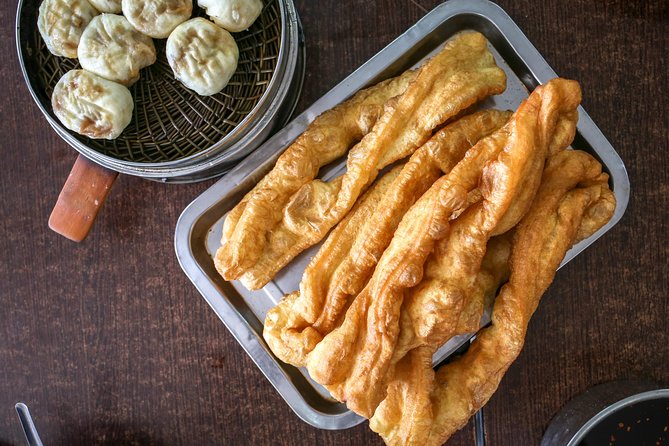
Breakfast in Beijing isn’t just about eating. It’s about timing, routine, and knowing where the good stuff shows up—often down small alleyways, not under bright storefront signs.
This tour works because it’s built for that reality. You’re not hunting on your own, and you’re not stuck only where tourists go. Your guide leads you from one practical morning stop to the next, in hutong lanes that feel lived-in. That matters, because many visitors end up repeating the same few places near major sights. Here, the plan is to move away from that pattern.
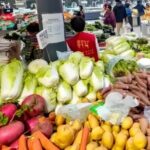
The food list is also a strong sign of intent. You’re not just sampling one trendy item. Expect classic comfort and street-corner favorites like baozi (steamed buns), jianbing (savory crepes), silken tofu, and almond pudding—plus things like fried dough and sweet soy milk when they’re part of the morning lineup. You get multiple bites, so you can actually compare flavors and textures instead of doing one quick taste and calling it a day.
The best part is that the guide doesn’t treat the meal like a vending machine. They explain what you’re eating and how it fits into local breakfast habits—so your brain files the experience under understanding, not just eating.
You can also read our reviews of more food & drink experiences in Beijing
8:00 am Meet-Up Near Lama Temple: What the Walkaround Is Really Like
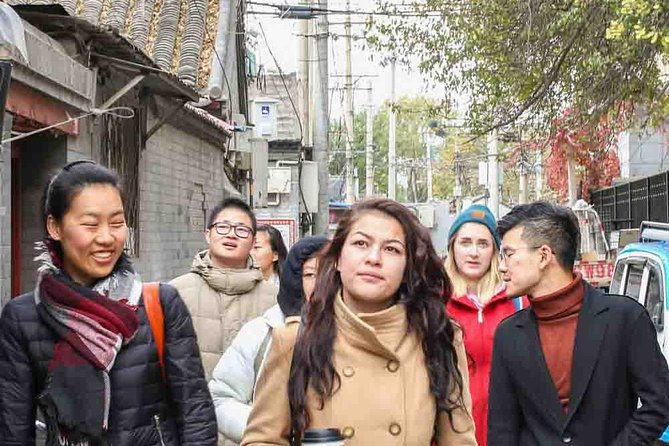
You start at 8:00 am near the Lama Temple area, by the Subway Lama Temple C Kouzhan Bike Rental Station. The end point is near Andingmen Nei Dajie and Gulou Dong Dajie (around 219 An Nei Da Jie), about a 15-minute walk from Beixinqiao Metro Line 5 or Andingmen Metro Line 2.
That timing is practical. An early start means you’re eating while breakfast places are in full rhythm, and you’re strolling in cooler conditions. It also helps you avoid the later-day crush in the central sights area.
Group size is limited to 8 travelers, which changes the feel fast. In a small group, you can move at a human pace. You’re also more likely to get answers to specific questions about what to order, how to pay, and what makes each dish a morning staple.
One more practical note: this is a walking tour in hutong neighborhoods. You’re moving from stop to stop on foot, including through older alleyways behind well-known landmarks. Wear shoes you’d wear for several hours of city walking, not just a sightseeing stroll.
What You’ll Taste: Baozi, Jianbing, Tofu, Sweet Soy Milk, Donut Crumbs, and Almond Pudding
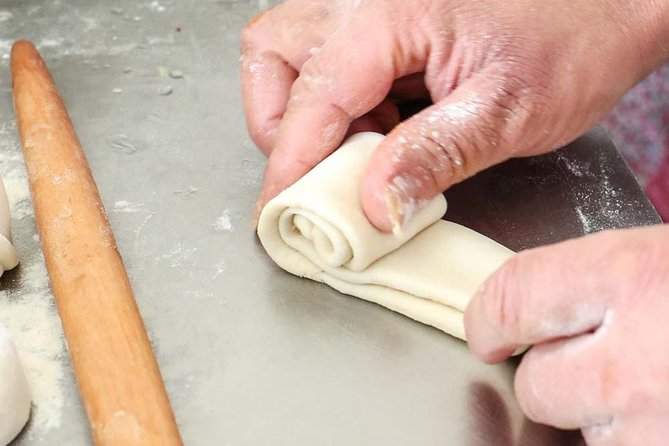
This is the heart of the experience. Breakfast shows up as a set of textures: hot, crispy, soft, silky, sweet, and savory. Instead of one big plated meal, you’ll be sampling a sequence of dishes that add up to a surprisingly full start.
Here’s what to look forward to, based on what the tour lists as likely tastings:
Jianbing (savory crepes)
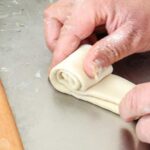
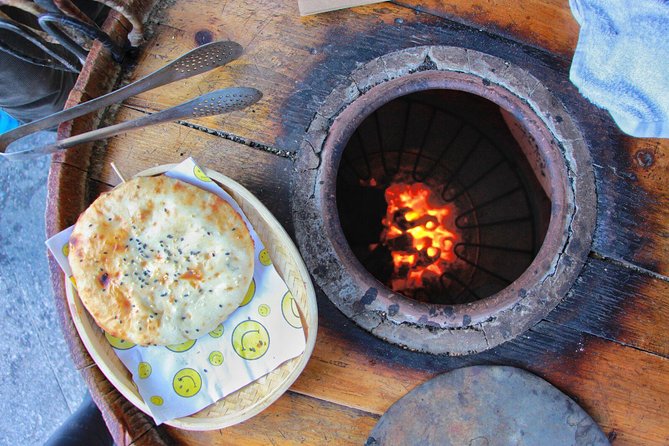
This is one of the stars for a reason. The crepe is made fresh, and you’ll likely get to watch it being prepared before you eat. It’s usually hot and savory with a mix of toppings, and it’s the kind of dish where you can taste the difference between a good version and a mediocre one.
Baozi (steamed buns)
Soft, warm, and built for snacking speed. You’ll often see these served as a grab-and-go breakfast staple, and that’s exactly how they fit into this tour’s rhythm.
Silken tofu with savory toppings
Silken tofu is smooth, gentle, and easy to appreciate once you taste it with toppings. In Beijing breakfasts, it’s a reminder that not every morning bite needs to be heavy or fried.
Sweet soy milk and breakfast desserts
You may try sweet soy milk as part of the morning lineup. Expect simple sweetness that cools down spicy or savory flavors.
Brown sugar donuts and fried dough
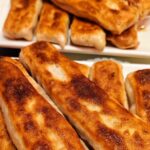
These are the classic comfort hits—often crisp on the outside and satisfying with tea or sweet drinks. If you have a sweet tooth, this part will feel like a highlight rather than an afterthought.
Almond pudding
You’ll finish with this type of dessert-style bite—creamy and usually lighter than you expect given how filling the tastings have been. It’s a smart way to end the tour so you don’t finish the walk feeling stuffed without anything cooling things down.
A key advantage here: you’re not guessing what to order. Your guide explains what each dish is, and why locals choose it for morning. That removes the pressure of translating menu items under time stress, especially when you’re in smaller neighborhood shops.
Inside the Route: Lama Temple Hutongs, Everyday Breakfast Stops, and a Confucius-Area Finish
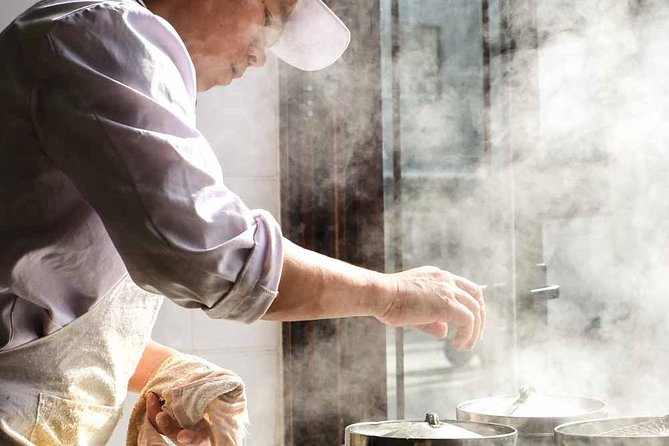
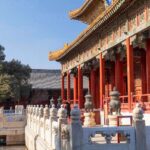
The tour starts near Lama Temple and heads into hutongs behind the sanctuary, which keeps the morning story grounded. You begin with that sense of place—starting close to a famous landmark, then quickly slipping away into smaller lanes where breakfast feels less staged.
From there, the walk shifts into a classic “eat-your-way-across-the-neighborhood” pattern. You’ll stop in local cafés, street stalls, and small shops. This is where the value of having a guide becomes obvious. You’d likely miss half these places if you were trying to pick them out on your own.
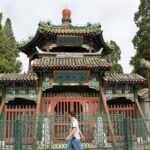
Along the route, you’ll also get a sight connection to Imperial Beijing’s cultural core. After moving from the Lama Temple side, you cross toward the Temple of Confucius and the Guozijian Museum area. The tour lists a 30-minute segment there, and it notes that admission is free for that stop.
You’ll then finish near the Bell & Drum Towers area, which is a useful orientation point in Beijing. These towers sit in the central-axis area, so they help you understand how the city’s major points line up, even if you didn’t plan a formal sightseeing day around that axis.
One subtle benefit: you’re seeing Beijing in a way that links daily life to major landmarks. Breakfast happens in the ordinary spaces, and then the route nudges you toward the big historical geometry without turning the morning into a museum binge.
Price and Value: Is $55 Worth a 3-Hour Breakfast Walk?
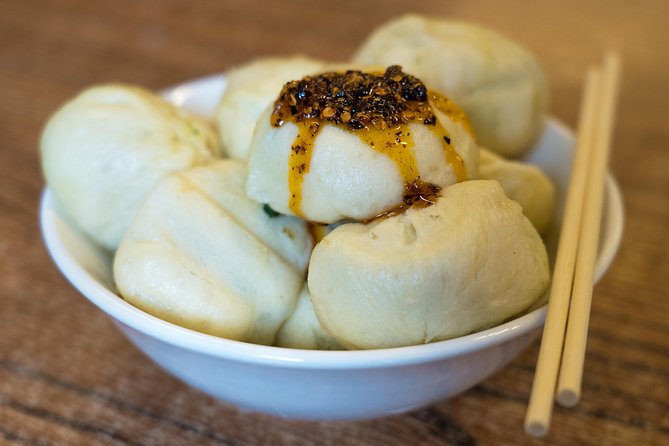
At $55 per person, this tour isn’t a budget snack. But it also isn’t paying for just one sit-down meal.
You’re paying for a structured morning: a guide, multiple tastings that add up to a large breakfast, and the time-saving advantage of not having to figure out what to order and where to go. For many people, that alone is worth it—especially on Day 1 in Beijing when you’re still learning how neighborhood food works.
Here’s what’s included:
- Breakfast tasting stops that add up to a very large meal (you likely won’t need another meal for hours)
- Bottled water and soft drinks
- Guide fee
- A post-tour welcome packet with restaurant recommendations and local travel tips
What’s not included:
- Hotel pickup and drop-off
So the value equation looks like this: you trade your own morning planning effort for a guided route and guided ordering. You’re also getting food explained as part of the city’s routine, not just food samples with no context.
If you’re the type who likes to eat, but you also want to understand what you’re eating, this price makes more sense. If you only want one quick taste and a casual walk, you might feel it’s more than you need.
You can also read our reviews of more tours and experiences in Beijing
Who This Tour Fits Best (and Who Might Want to Skip)
This tour is ideal for:
- People who want authentic hutong breakfast without doing a DIY maze run
- First-timers in Beijing who want an easy win on Day 1 or Day 2
- Food lovers who like savory plus sweet in one morning
- Anyone who benefits from having a guide explain how ordering and paying work in local spots
It may not be ideal for:
- Anyone with a very strict diet that needs careful substitutions, unless you’ve given advanced notice
- People who don’t want to eat continuously for about three hours
- Visitors who struggle with walking in older alleyways and uneven, narrow streets
On dietary needs: the tour notes that you should advise any specific requirements at the time of booking by emailing, and that advanced notice is required. If you have allergies or serious restrictions, don’t wait until the morning of.
Practical Tips So You Enjoy Every Stop (Not Just the First One)
I’d treat this like a guided breakfast training plan: you’ll taste, walk, taste again, and repeat.
A few practical moves:
- Arrive hungry. The tastings add up fast, and the tour is designed as a large meal.
- Bring water awareness. Bottled water is included, which helps, but you’ll still feel the walk in Beijing’s morning temperatures.
- Wear comfortable shoes. You’ll be in hutong lanes and between small shops.
- Ask about what you’re eating. The guide’s job is not just delivery; it’s explanation, including why locals pick these dishes for their morning routine.
- If you have dietary needs, contact ahead of time. The tour explicitly asks for that with advance notice.
From the experience of real participants, guides can make the difference between a “food walk” and a “now I get Beijing” morning. One guide name you might encounter is Garth, who’s described as passionate and strong with Mandarin. That kind of guiding turns the tour into more than snacks—it helps you interpret the city as you go.
Final Verdict: Should You Book the Beijing Hutong Breakfast Food Tour?
If your ideal Beijing morning includes real neighborhoods, classic food, and a guide who helps you understand the why behind each dish, I think this is a smart booking. The small group size, the 3-hour structure, and the fact that tastings add up to a big meal make it feel like good value for your time.
Book it if:
- You want a “local breakfast” experience in the hutongs, not a souvenir food crawl
- You appreciate guidance for ordering and paying at smaller food stops
- You like tasting multiple dishes so you can learn what you actually enjoy
Skip it if:
- You only want light sampling
- You have dietary restrictions that require complex substitutions and you haven’t planned ahead
FAQ
How long is the Beijing Hutong Breakfast Food Tour?
It runs for about 3 hours.
What time does the tour start?
The start time is 8:00 am.
Where do I meet the guide?
You meet near the Lama Temple area at the Subway Lama Temple C Kouzhan Bike Rental Station.
Where does the tour end?
The tour ends near the intersection of Andingmen Nei Dajie and Gulou Dong Dajie, around 219 An Nei Da Jie, about a 15-minute walk from Beixinqiao Metro Line 5 or Andingmen Metro Line 2.
What foods are included in the tastings?
Tastings may include silken tofu with savory toppings, brown sugar donuts, steamed buns, fried dough, sweet soy milk, and almond pudding. Jianbing is also prepared fresh before you eat.
Is the group small?
Yes. The tour has a maximum of 8 travelers.
What’s included in the price?
Included are breakfast tasting stops, bottled water, soft drinks, the guide fee, and a post-tour welcome packet with restaurant recommendations and local travel tips.
Is hotel pickup included?
No hotel pickup and drop-off is not included.
Can I cancel for a full refund?
Yes. You can cancel up to 24 hours in advance for a full refund. If you cancel less than 24 hours before the start time, the amount you paid is not refunded.