REVIEW · BEIJING
Beijing Private Tai Chi Class
Book on GetYourGuide →Operated by Beijing Sanfeng Tai Chi Club · Bookable on GetYourGuide
Tai chi at the Temple of Heaven makes your day feel slower. This private class is built for beginners, with an English-speaking master who teaches in small, proven steps and connects the movements to Yin Yang and Taoist ideas of Qi.
I like two things most about this experience: the teaching style and the balance of practice. You get a 9-step form experience study plus calmer components like standing meditation, and you also get hands-on partner work like push hands, not just a lecture.
One consideration: you’re responsible for getting there on your own. There’s no hotel pickup, and the entrance fee for the Temple of Heaven is not included, so factor those into your timing and budget.
In This Review
- Key things to know before you go
- Starting at Tian Tan East Gate: getting there without stress
- Beginner-friendly Tai Chi: the value of learning 9 steps
- The culture layer: Yin Yang, Taoist ideas, and what Qi means in practice
- On the Temple of Heaven grounds: meditation and push hands with real feedback
- Self-massage for daily relief: a practical add-on, not a miracle claim
- Price and value: what $58 buys you in Beijing
- What to wear, bring, and how to set yourself up
- Who this Tai Chi class is best for (and who should skip it)
- Should you book this Beijing Private Tai Chi Class?
- FAQ
- Where do I meet for the class?
- How long is the Beijing private Tai Chi class?
- What languages are used during the class?
- Is this class suitable for complete beginners?
- What is included, and what isn’t?
- Is it suitable for pregnant women?
Key things to know before you go
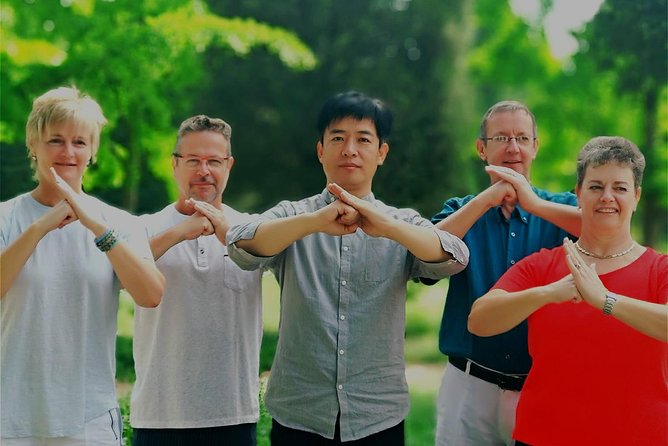
- Temple of Heaven setting: class happens on the grounds, with a calmer pace than a studio room
- Beginner-first structure: 9 steps of the form, so you’re not lost from minute one
- Qi and culture explanations: Yin Yang and Taoist context, not just movement copying
- Practical extras: standing meditation, push hands experience, and self-massage for daily relief
- English-speaking masters: past sessions mention instructors like Eric, Lui, and Leo, with patient teaching
- Private group feel: you and your partner/group get more attention than a big class
Starting at Tian Tan East Gate: getting there without stress
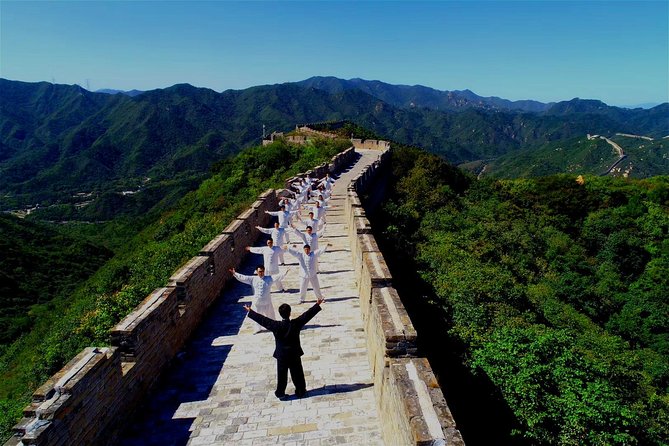
Your starting point is the ticket office at the Temple of Heaven east gate, 天坛东门售票处. The cleanest route is subway line 5 to Tian Tan Dong Men Station, then exit A; the east gate is about a short walk away.
This matters because timing in Beijing can make or break a half-day. A 1.5-hour class doesn’t leave much wiggle room, and arriving with a little calm helps you get into the mindset before you start moving.
You’ll head back to the same east gate after the lesson. That simple “in and out” flow is great if you’re pairing this with another nearby activity later in the day.
You can also read our reviews of more private tours in Beijing


Beginner-friendly Tai Chi: the value of learning 9 steps
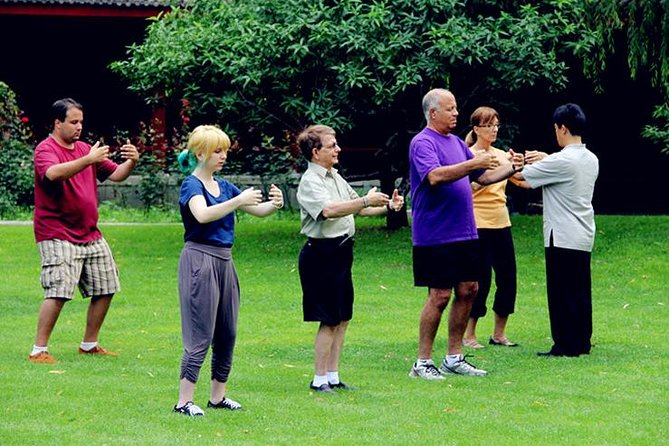
This class is specifically made for beginners. Instead of throwing you into a full long routine, you work through a 9-step form experience study, with a simple step-by-step method that’s meant to be learnable on the first try.
For most newcomers, the biggest challenge is not the physical moves—it’s knowing what to pay attention to. The way this lesson is structured helps you focus on basics like body alignment and controlled motion, so the sequence starts to make sense rather than feeling like a memorization test.
And you’re not stuck in “performing” mode. A lot of Tai Chi teaching for beginners is about helping you feel grounded, slow down, and coordinate your movements with breathing and balance. You’ll practice those foundations during the form steps and carry them into the meditation and push hands parts later.
The culture layer: Yin Yang, Taoist ideas, and what Qi means in practice
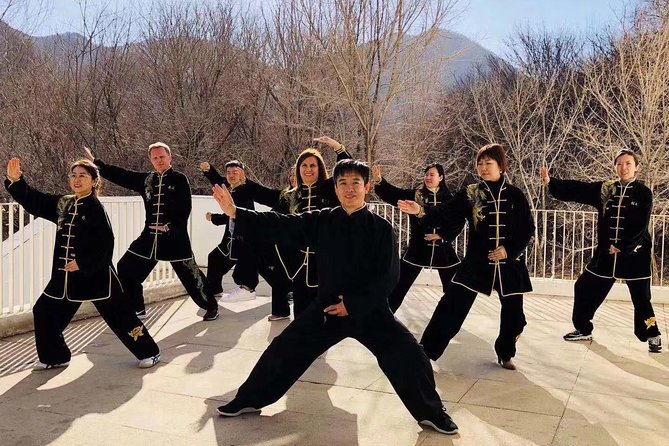
What makes this class more than a workout is the cultural explanation. You don’t just learn motions—you also get a Tai Chi culture presentation that connects the practice to Yin Yang and Taoist concepts, plus the idea of obtaining Qi through natural but mysterious exercise.
That may sound philosophical, but it’s practical. When you understand what the training is aiming for, you tend to move differently: less tense, more fluid, and more aware of how your body stores and releases effort.
This is also why the masters tend to explain things in a way that’s easy to follow. Past students highlighted that instructors like Eric and Lui were patient and clear, and that the English communication really helps you get the intent behind each movement, not just the shape.
If you’ve ever watched Tai Chi and felt like you were missing the point, this lesson is designed to close that gap.
On the Temple of Heaven grounds: meditation and push hands with real feedback
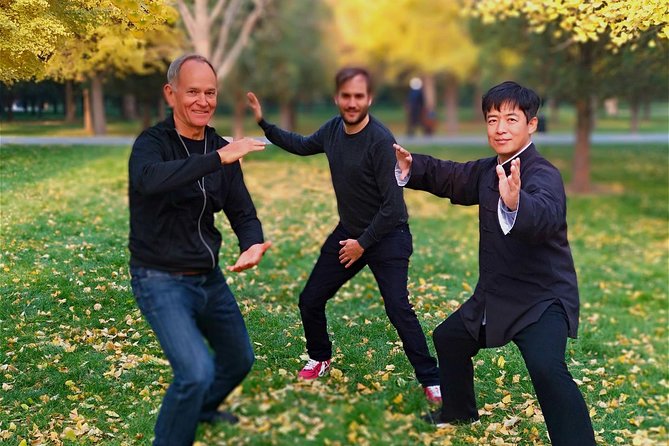
The class includes standing meditation and a push hands experience. Standing meditation is the part that slows everything down: you practice stillness while staying aware—so your balance and focus are part of the training, not something you do only after you finish the form.
Push hands can feel intimidating at first if you’ve never done any partner practice. Here, it’s framed as an experience, so it’s less about competition and more about learning how to respond to another person’s movement while keeping your own structure calm.
This combination is a big deal for beginners. The form gives you the “solo language,” meditation helps you internalize control, and push hands turns that control into something you can test with a partner. You leave with a clearer sense of what works when conditions change—like when you’re pushed off your center or when you’re unsure how much force to use.
Self-massage for daily relief: a practical add-on, not a miracle claim
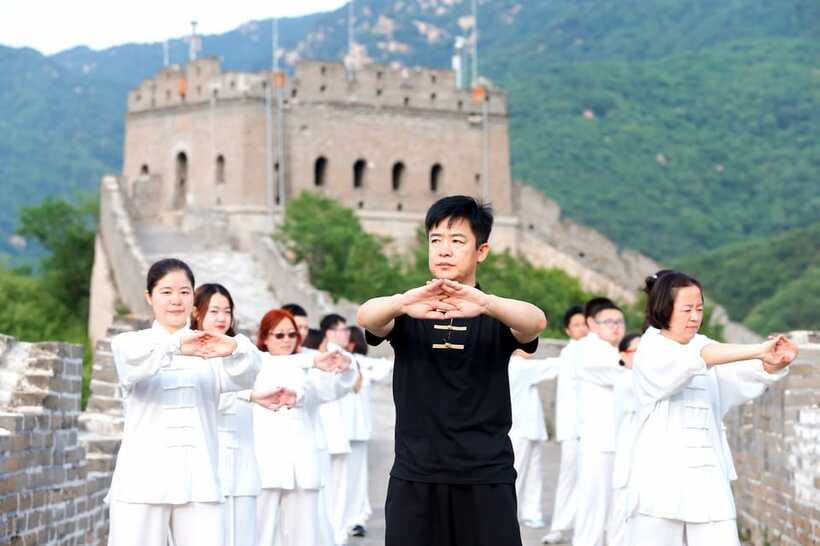
One of the most distinctive items on the agenda is methods of self massage to relief pain and stress in daily life. This isn’t presented as a cure for everything; it’s a set of practical techniques you can try as part of your routine.
This matters because Tai Chi can be a “feel better over time” practice, but you might also want tools for the day-to-day. If you sit a lot, travel a lot, or carry stress in your shoulders and back, a short self-massage routine can be a useful complement—something you can do in minutes.
The lesson’s value here is guidance. You’re taught what to do, not just told that massage is good. That makes it more likely you’ll actually remember the movements later and use them when you need them.
You can also read our reviews of more tours and experiences in Beijing



Price and value: what $58 buys you in Beijing
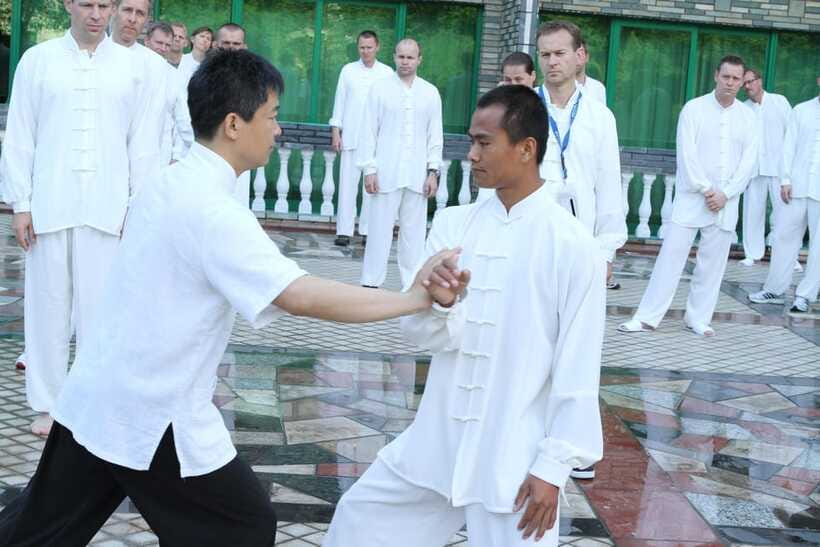
At $58 per person for 1.5 hours, you’re paying for more than time. You’re paying for a private-group setup with high qualified English-speaking Tai Chi masters, plus a structured agenda that includes culture, form steps, meditation, push hands experience, and self-massage.
Is it expensive compared to a casual public class? It depends on your goal. If you want fast results and clear instruction with room to ask questions, private tutoring is often the better value. And in this case, the cultural and hands-on components mean you’re getting both an explanation and a practice plan.
What’s not included is also important: entrance fee isn’t included, and there’s no food or drinks provided. So budget a little extra if you plan to stay nearby afterward.
What to wear, bring, and how to set yourself up
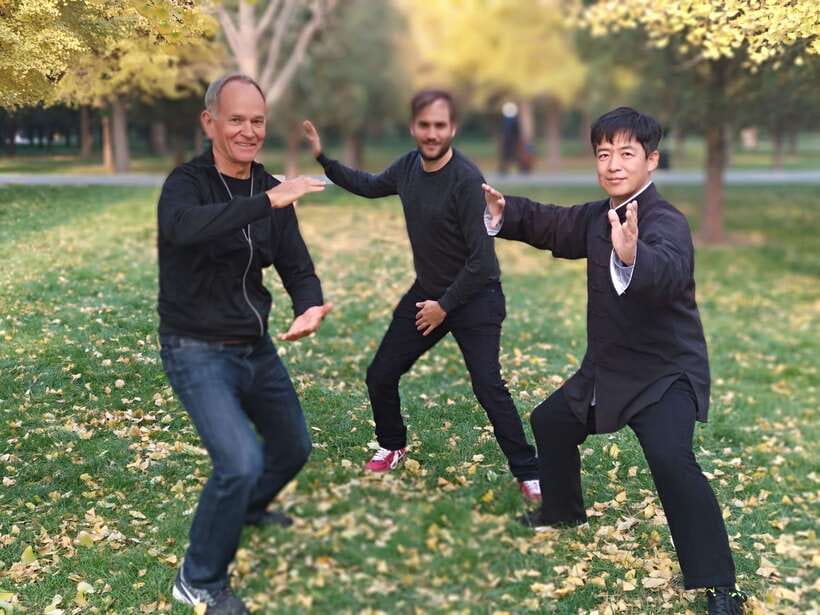
Because this is Tai Chi, comfort beats style. Wear clothes that let you move—think light layers, nothing too restrictive around the hips and knees. You’ll be standing for meditation, moving slowly for the form steps, and doing partner work during push hands.
Bring water if you think you’ll want it. Food and drinks aren’t included, and you may finish feeling relaxed but still thirsty.
Also, keep your expectations realistic. You’re learning a form experience and foundational ideas, not becoming a Tai Chi master in one session. The win is clarity and confidence: you’ll understand what you’re practicing and why, and you’ll know what to do next if you book another class later.
Who this Tai Chi class is best for (and who should skip it)
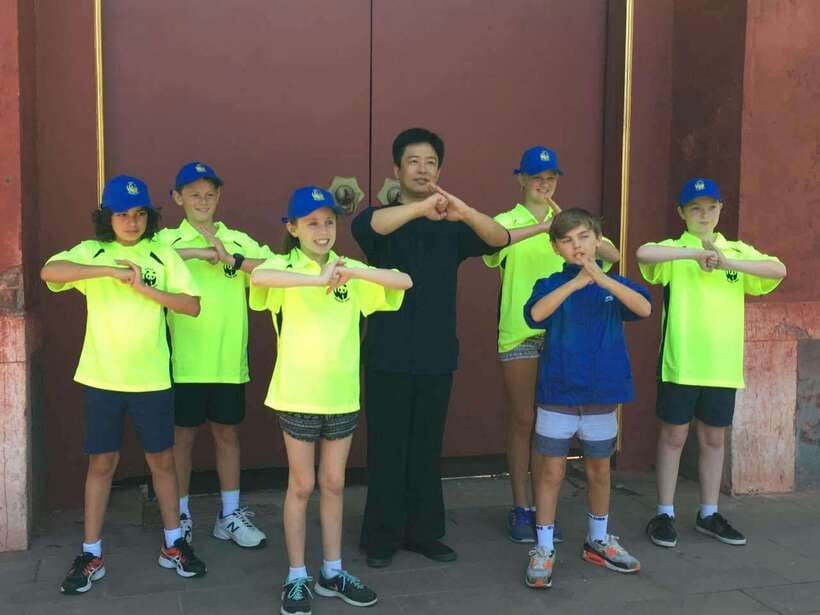
This works very well if you’re new to Tai Chi. The lesson is explicitly beginner-focused, includes 9-step learning, and stays patient and interactive, which is exactly what first-timers need.
It’s also a good choice if you care about the cultural side. Some people only want the choreography. Others want the meaning behind the choreography. This class tries to do both, using Yin Yang, Taoist context, and the Qi concept to guide how you move.
The main group it’s not suitable for is pregnant women. If that applies to you, you should choose a different class format that matches your needs and safety.
Should you book this Beijing Private Tai Chi Class?
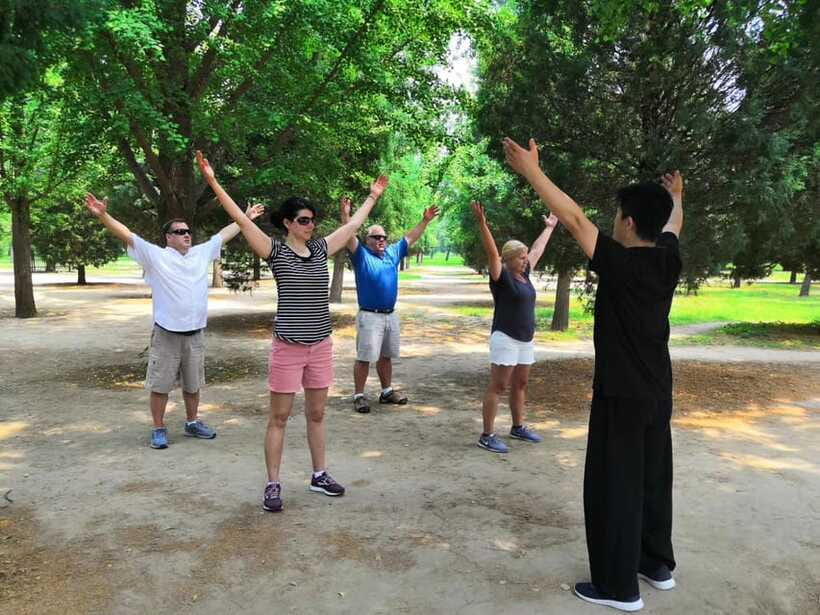
If you want a calm, structured introduction to Tai Chi with English-speaking instruction and more than just “copy the moves,” this is an easy yes. The lesson checks practical boxes—form steps, meditation, push hands experience, and self-massage—while still teaching the culture so you understand what you’re doing.
Book it if you’re a beginner who wants a guide, not a crowd. Skip it if you’re looking for a full-day Beijing highlights tour, since this is focused and only 1.5 hours long, with you handling your own arrival and the Temple of Heaven entrance fee.
FAQ
Where do I meet for the class?
Meet at the ticket office at the Temple of Heaven east gate (天坛东门售票处). The subway option is line 5 to Tian Tan Dong Men Station, then exit A, and the east gate is about 50 meters away.
How long is the Beijing private Tai Chi class?
The class lasts 1.5 hours.
What languages are used during the class?
The instruction is available in English and Chinese.
Is this class suitable for complete beginners?
Yes. The class is made specifically for beginners and uses a step-by-step method for learning the Tai Chi form.
What is included, and what isn’t?
Included is instruction by high qualified English-speaking Tai Chi masters. Not included are hotel pickup and drop-off, food and drinks, and the Temple of Heaven entrance fee.
Is it suitable for pregnant women?
No. It is not suitable for pregnant women.