REVIEW · BEIJING
Chinese Kungfu Class Beside Fobbiden City
Book on Viator →Operated by Limengrong · Bookable on Viator
One hour, and your arms feel like they worked. This kungfu class keeps it practical, teaching real self-defense instead of movie-style moves in the Forbidden City area. I love the professional master-led coaching and the focus on how kungfu can be used in daily life. The only drawback is simple: it’s a workout, and you’ll sweat, so bring water.
You train in a setting described as royal inheritance space tied to three dynasties, with 1,000 years of presence behind it. The class runs about an hour and caps at 15 people, which matters when you’re trying to learn correct technique. Plus, the mobile ticket keeps arrival straightforward.
You’ll also get a clear lesson on what makes Chinese kungfu different from normal boxing, not just a random set of punches. The training is built around technique and application, not competition showboating.
In This Review
- Key things to know before you book
- Kungfu Training Right Next to the Forbidden City
- The Teacher and the Promise: Original Kungfu, Real Use
- What Happens During the One-Hour Class
- Kungfu vs Boxing: What You’ll Learn Beyond Punching
- The Setting: A Royal Inheritance Courtyard Feel
- Group Size, Coaching Style, and How Much You’ll Get Corrected
- Price and Value for $66 in Beijing
- What to Bring for a Sweaty Hour
- Who Should Book and When It Might Not Fit
- Should You Book This Chinese Kungfu Class by the Forbidden City?
- FAQ
- How long is the Chinese kungfu class?
- What does the $66 price include?
- Is coffee or tea included?
- Where does the class start, and where does it end?
- What are the opening hours?
- Do I need to print a ticket?
- What’s the maximum group size?
- When will I receive confirmation?
- Can I participate if I’m a typical traveler?
- What’s the cancellation policy?
Key things to know before you book
- Original kungfu, not performance moves: It’s taught as a real skill, not a show.
- Self-defense focus with practical application: The goal is usable technique, not contests.
- Kungfu vs boxing explained clearly: You learn the difference in approach and purpose.
- One-hour format with a professional master: Fast enough to fit a day in Beijing.
- Sweat level is real: Wear something you can move in and plan to hydrate.
Kungfu Training Right Next to the Forbidden City
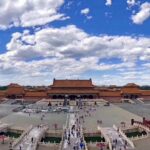
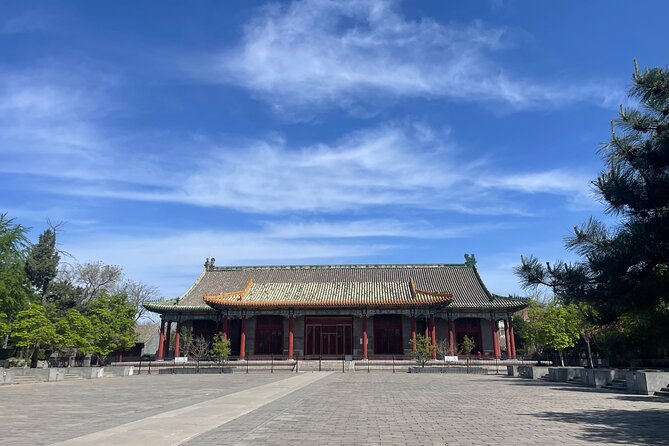
If you’re in Beijing and you want more than photos, this class gives you something hands-on. You practice in the Forbidden City area, starting and ending right at the meeting point (so you’re not wandering around for instructions). It’s also close to public transportation, which helps if your day is packed with other sights.
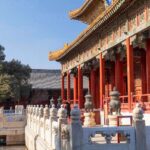
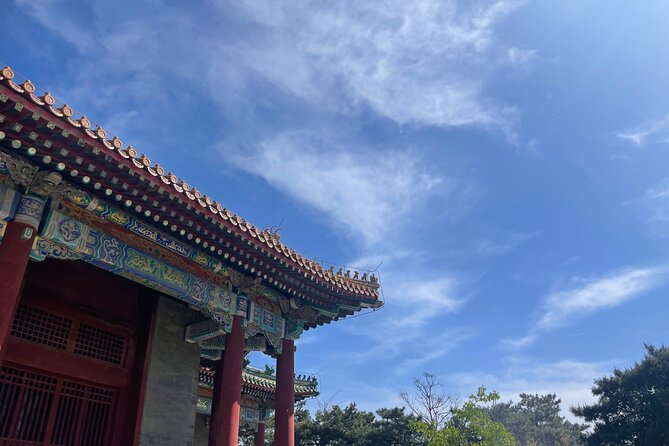
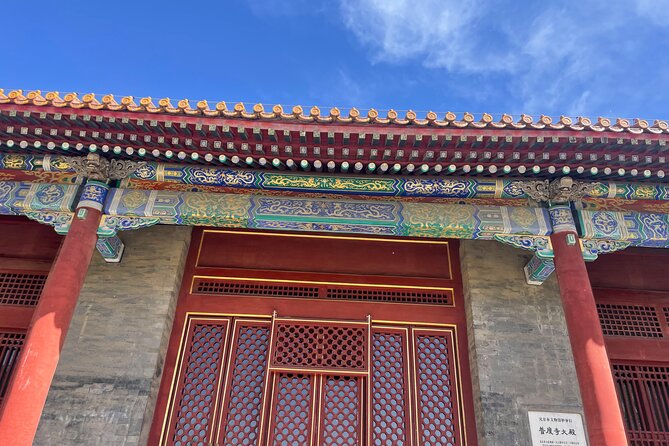
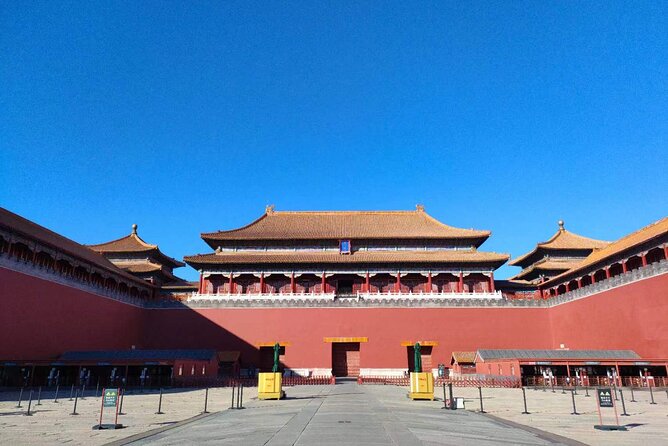
What makes the location special is the way the experience is framed. The training is set in what’s described as a royal inheritance crossing three dynasties, a space that’s been there for 1,000 years. Even if you’re not a history buff, that context can change how you feel about the movements. You’re not just learning gym skills; you’re learning a traditional practice in a place that’s tied to old imperial structures.
I like that the experience stays compact. This is not a half-day tour with a bus ride and a long explanation stop. You get your hour of training and then you’re done.
That said, don’t book this expecting museum-style sightseeing. This is about practice, not strolling.
You can also read our reviews of more city tours in Beijing

The Teacher and the Promise: Original Kungfu, Real Use
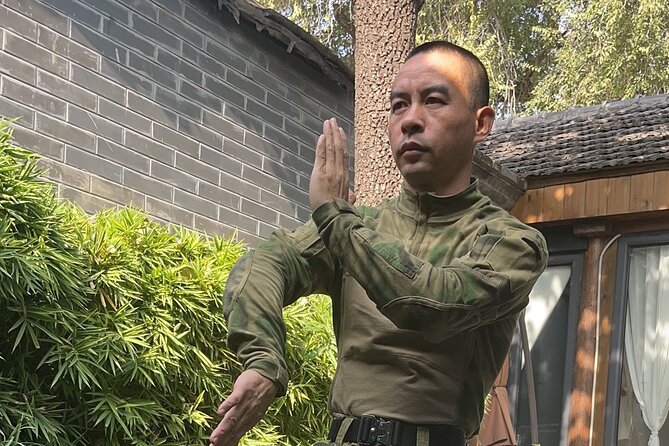
The class is led by a professional kungfu teacher trained since age five. That detail matters. It signals the instructor isn’t treating this as a casual demo, and the teaching style in the reviews matches that: clear explanations and correction of the moves.
The lesson promise is also pretty direct: learn original Chinese kungfu with a teacher rather than the kind of stylized fighting you see in movies. You’ll also learn how Chinese kungfu differs from normal boxing, which is useful if you already know your way around Western punching drills. The class doesn’t position itself as sport-only training. Instead, it emphasizes real-life usage of kungfu technique rather than competition contests.
From the reviews, the coaching approach comes through in two ways I really respect. First, the teacher makes sure you understand before you move on. Second, you’re practicing self-defense techniques, with the goal of building something you can repeat later through daily practice.
The practical part is the big win for many people. If you’re going to spend money and an hour in Beijing, you want your time to turn into a skill, not a photo-op.
What Happens During the One-Hour Class
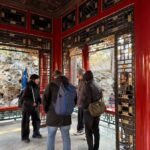
The class lasts about one hour. During that time, you’ll be guided through Chinese kungfu concepts and practical technique. The instructor is there to coach you through the right moves, which is exactly what you want in a short class. Nobody should leave feeling like they just watched an explanation and then did random flailing.
The experience is built around learning plus doing. That matters more than you’d think. One-hour classes can be either “talk and watch” or “talk and train.” Here, the reviews point strongly toward active practice with non-stop instruction. You’ll also be asked to keep moving, which is why people mention sweating a lot.
What you can realistically expect is a structured flow:
- You arrive and get oriented near the meeting point.
- The teacher explains concepts, including differences between kungfu and boxing.
- You practice technique guided by the instructor.
- You focus on self-defense-style usage rather than sport competition.
Because we don’t have a minute-by-minute schedule, the exact sequence can vary. But the overall shape is consistent: explanation, practice, correction, repeat.
One consideration: since it’s a workout, you’ll want to be mentally ready to try even if your coordination is rusty. This isn’t about being athletic before you start.
Kungfu vs Boxing: What You’ll Learn Beyond Punching
A lot of people arrive thinking kungfu will just be another kind of fighting workout. This class goes after that assumption. The teacher specifically covers the difference between Chinese kungfu and normal boxing. That’s valuable because kungfu isn’t just about speed or hitting harder. It’s about methods, timing, and how the movement fits an intended purpose.
The self-defense framing helps you understand why those differences matter. If the instructor is talking about real-life use rather than competition, then the teaching tends to focus on how movements connect and how technique works under pressure, not just how it performs in a match.
In plain terms, you’re getting a lesson in approach. Boxing often emphasizes fundamentals like punches and footwork in a sport format. Kungfu, as presented here, is taught as a broader skill system meant for practical situations. Even if you never plan to fight, that perspective can change how you think about movement and control.
If you’re already into martial arts, you might still enjoy the comparison. If you’re brand new, it helps you avoid mixing ideas from different systems and getting confused about what each one is trying to do.
The Setting: A Royal Inheritance Courtyard Feel
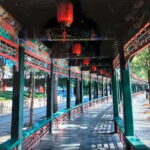
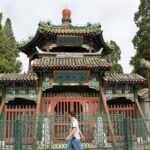
This class is placed in a historic-feeling space: the royal inheritance crossing three dynasties, described as having a 1,000-year presence. You don’t need to read about dynastic timelines to feel the difference. Training in a respected traditional setting can make the discipline feel more serious and less like a casual fitness class.
The setting also supports the experience’s goal of authenticity. The promise is original kungfu rather than movie-style performance. When the practice environment feels tied to traditional structures, it nudges the experience closer to what the class is claiming to be.
There’s also a practical side. The experience is compact and focused on the hour. Even if you’re near major Beijing landmarks that can feel overwhelming, this is a contained activity with clear start and finish points.
One thing to keep in mind: since it’s a training class, the setting is meant for movement. You’re not going to browse the space like a full sightseeing stop. You’ll likely be there to practice first, admire second.
You can also read our reviews of more tours and experiences in Beijing



Group Size, Coaching Style, and How Much You’ll Get Corrected
The group size is capped at 15. That’s not a huge group, and in a kungfu class that matters. With fewer people, you’re more likely to get direct attention when your form goes off track. It also helps with pacing. When the instructor can see everyone clearly, it’s easier to adjust and explain.
The reviews back up the coaching style. People describe learning self-defense techniques with a professional master and highlight that the teacher makes sure you understand the right moves. One review even mentions it feels like a one-hour workout with non-stop knowledge, which is exactly what you want if you’re short on time.
So here’s what this means for you: if you’re worried about being “the beginner in the corner,” this group size should reduce that anxiety. You still need to actively participate, but you’re less likely to get ignored.
The tradeoff is that any group class can move as fast as it can keep everyone learning. If you want perfectly paced, private instruction, you might find one hour in a group to be brief. But the class is designed for most travelers to participate, so the expectation is learning through guided practice, not mastering an entire system in one session.
Price and Value for $66 in Beijing
At $66 per person, this isn’t the cheapest activity in Beijing. It’s also not priced like a ticket-only cultural show. You’re paying for guided instruction by a professional kungfu teacher and a focused hour of training.
The value equation looks pretty strong for the right traveler:
- You get instruction plus movement, not just watching.
- The content is framed as original kungfu and self-defense usage, not competition.
- It’s a small group (max 15), so you’re not just renting a spot.
- All fees and taxes are included in the listed price.
There’s also the planning angle. The experience is, on average, booked 103 days in advance. That suggests it’s a popular slot for visitors who want something different from the usual sightseeing routine. If your Beijing dates are fixed, you’ll likely feel better booking earlier rather than later.
What you should consider is how $66 fits your priorities. If your main goal is photo-friendly sightseeing, this may not be the best match. If your goal is a real skill and a physical workout, it can feel like a smart use of time.
Also, coffee and/or tea aren’t included. You’ll want to handle drinks separately.
What to Bring for a Sweaty Hour
The reviews point to one practical truth: it gets hot, and you sweat. That means you need to dress for movement and hydration.
Here’s what I recommend based on what the class is described to be:
- Wear comfortable clothes you can move in easily.
- Bring water, even if you think you won’t need it.
- Plan to wipe sweat and keep your energy steady through the full hour.
If you’re coming straight from other sightseeing, consider building a short buffer so you’re not exhausted before you start. Kungfu technique learning depends on attention. If you’re already running on fumes, you might struggle to absorb the instructions.
One more small note: the tour includes all fees and taxes, and it provides a mobile ticket. That helps keep the experience practical on a travel day. You can focus on arriving ready to train, not figuring out paperwork.
Who Should Book and When It Might Not Fit
This class is best for you if you want:
- A short, high-effort activity in Beijing
- A real self-defense style focus instead of competition-only training
- Clear instruction and move correction from a professional teacher
- An experience near the Forbidden City area without a huge sightseeing commitment
It also suits many travelers, since the experience says most people can participate. The key is being willing to practice and learn in a group setting.
It might not fit if:
- You want a relaxed, non-physical cultural activity.
- You’re not comfortable doing a sweaty workout in a class environment.
- You’re expecting a long history lecture or museum-style pacing.
If you’re traveling with service animals, that’s supported. The experience is also near public transportation, which helps if you prefer not to rely on taxis.
Should You Book This Chinese Kungfu Class by the Forbidden City?
I’d book it if you want one memorable day in Beijing that turns into an actual skill. The best part is that the class is built around real self-defense use and original kungfu teaching, not showy performance. For $66, you’re paying for coaching and a full hour of practice, with a small group size that makes instruction more practical.
Skip it if you’re mainly in Beijing for classic sightseeing vibes and you don’t want to work up a sweat. This is a training session first, not a casual cultural stop.
If you do book, do it with a simple plan: wear flexible clothes, bring water, and show up ready to learn. You’ll get more out of the hour when your body is ready to follow the instructor’s corrections.
FAQ
How long is the Chinese kungfu class?
The class lasts about 1 hour.
What does the $66 price include?
The price includes all fees and taxes.
Is coffee or tea included?
No, coffee and/or tea are not included.
Where does the class start, and where does it end?
It starts at PudusiChina, Bei Jing Shi, Dong Cheng Qu, Pu Du Si Qian Xiang, 东华门 (postcode 100006) and ends back at the same meeting point.
What are the opening hours?
The class runs Monday to Sunday from 10:00 AM to 6:00 PM.
Do I need to print a ticket?
No, it uses a mobile ticket.
What’s the maximum group size?
The class has a maximum of 15 travelers.
When will I receive confirmation?
Confirmation will be received at the time of booking.
Can I participate if I’m a typical traveler?
Yes, most travelers can participate.
What’s the cancellation policy?
You can cancel for a full refund up to 24 hours before the experience’s start time. If you cancel within 24 hours, you won’t get a refund.