REVIEW · BEIJING
Tai Chi or Kung Fu plus Chinese Calligraphy Learning Class
Book on Viator →Operated by Beijing San Feng Tai Chi Club · Bookable on Viator
Tai Chi feels like a moving breath. This class pairs martial arts basics near Beijing’s Temple of Heaven area with a hands-on Chinese calligraphy lesson, so you get both body focus and a calmer, artistic outlet. I like that you choose either Tai Chi (slow, relaxing) or Kung Fu (faster, more dramatic) and still finish with brushwork you can enjoy right away. I also like the small-group feel and the fact you’re not left guessing through a crowd. One thing to consider: on rainy days the lesson space may shift away from the Temple of Heaven to an indoor studio, so expect a change of scenery.
The plan is simple: meet your instructor, practice controlled movements with Taoist ideas like yin and yang, then move to a calligraphy classroom for 90 minutes. In one past run, the guide Eric was very friendly, and the instructors kept the mood light even with bad weather. If you’re hoping for a long, sightseeing walk with photos at the temple gate, this is more about learning than roaming.
In This Review
- Key points worth knowing
- Meeting at Jixiaolan: where the class starts in Beijing
- Temple of Heaven vibes, without the tourist-pressure
- Tai Chi or Kung Fu: what you’ll actually practice
- Why the Taoism and yin-yang talk isn’t fluff
- Small-group learning: what personalized attention feels like
- The calligraphy classroom: switching from movement to brush control
- When rain hits: indoors can still be a win
- Timing and what to wear for a smooth 3 hours
- Price and value: is $95 fair for 2 lessons?
- Who should book this class (and who might skip)
- Should you book this Tai Chi or Kung Fu + calligraphy experience?
- FAQ
- Where does the class begin?
- What time does it start?
- Do I choose Tai Chi or Kung Fu?
- How long is the Tai Chi or Kung Fu part and the calligraphy part?
- Is the activity held outdoors at Temple of Heaven?
- Is hotel pickup included?
- Are children allowed?
- Is it a private group?
- What is the cancellation window?
Key points worth knowing
- Temple of Heaven area start: Meet at the Jixiaolan Former Residence Ticket Office, then learn there in the surrounding atmosphere.
- Pick your style: Choose Tai Chi or Kung Fu for the martial arts portion.
- Taoism + breathing focus: You’ll connect movements to yin and yang ideas and deep breathing.
- 90-minute calligraphy class: You switch from body control to brush control in a dedicated classroom.
- Small group attention: You get guidance without feeling lost in a large tour.
- Weather-proof lesson flow: It runs in all weather, and rain may move the class indoors.
Meeting at Jixiaolan: where the class starts in Beijing
Your session begins at the Jixiaolan Former Residence Ticket Office, at 241 Zhu Shi Kou Xi Da Jie, Xi Cheng Qu, Beijing (100052). The start time on the schedule you’ll use is 9:00am, and the activity ends back at the same meeting point, so you’re not dealing with long transfers or a mysterious end location.
What makes this start area interesting is the mix of old-Beijing context and calm ceremony. Even if you’re only going for three hours, meeting at a ticket office tied to a former residence gives the day a grounded feel. It’s also practical: you can walk in without needing hotel pickup.
One more good detail for planning: you’ll want to wear comfortable walking shoes. You’re not doing a hard hike, but you’ll be moving, standing, and adjusting posture during both the martial arts segment and the calligraphy session.
You can also read our reviews of more tours and experiences in Beijing


Temple of Heaven vibes, without the tourist-pressure
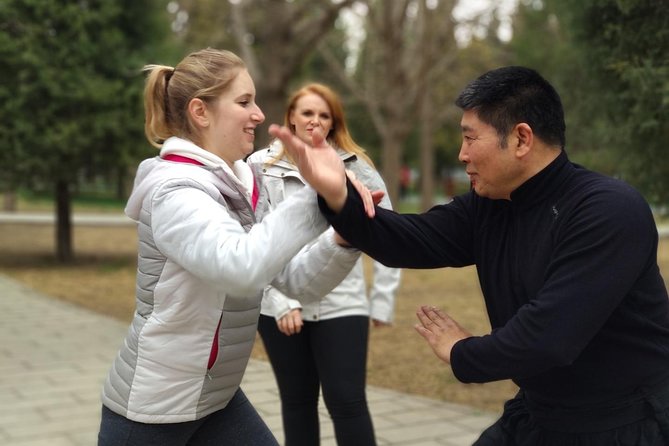
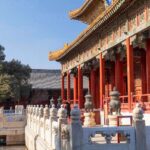
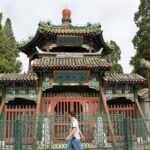
The experience is built around the Temple of Heaven area—specifically the feeling of approaching learning in a historic setting. The class description points you to greet your instructor and small group at the Temple of Heaven gates, and that matters because it frames the session as more than a generic studio workshop.
Still, don’t lock your expectations too tightly to one exact outdoor spot. In rainy weather, the kung fu lesson and calligraphy may be held in the club’s studio instead of at Temple of Heaven. That’s not a deal-breaker; it often makes the class more comfortable, and it means you can keep practicing without dragging rain gear around.
The main takeaway: you get the Temple of Heaven atmosphere, but the training is the priority. If you’re the type who likes instruction that stays focused, you’ll probably enjoy this format.
Tai Chi or Kung Fu: what you’ll actually practice
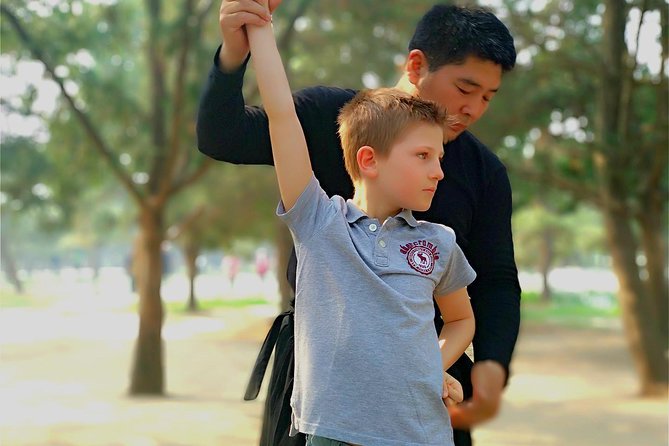
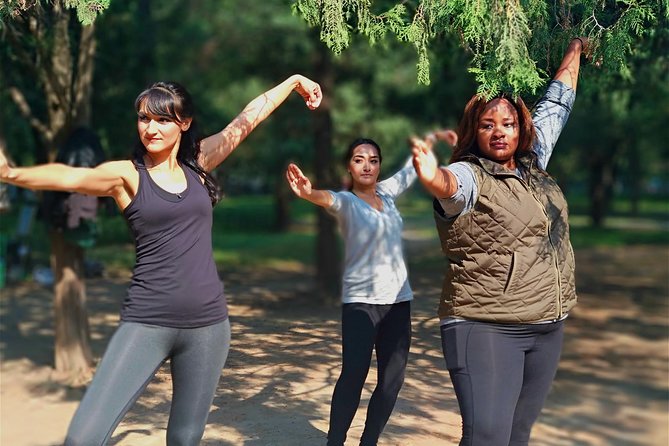
You’ll choose between Tai Chi and Kung Fu, and the session is built to teach you the foundations rather than push you into complicated techniques. The martial arts portion runs about 90 minutes, and it starts with explanation before you’re asked to move.
Here’s what you can expect conceptually:
- The instructor explains the foundations of Tai Chi or Kung Fu, including the health-minded approach often associated with these arts.
- You’ll hear about Taoism and yin and yang as a way to understand balance and flow.
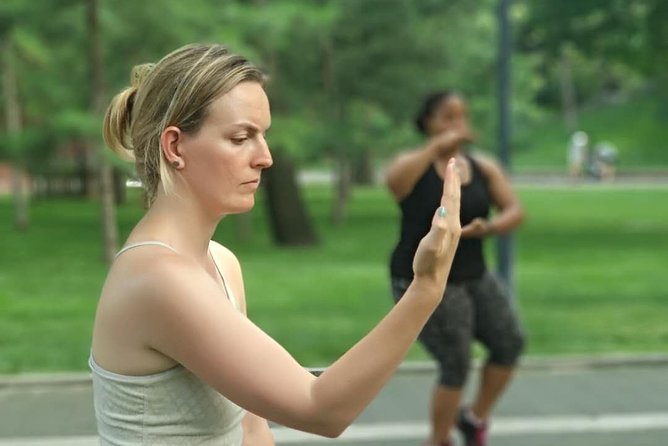
- You’ll practice slow, deliberate movements for Tai Chi, with deep breathing and concentration.
- If you select Kung Fu, you’ll work on basics with a more fast-paced, dramatic feel.
Even if you’ve never studied martial arts, this structure is the right kind of starter. You’re guided into movement quality, not just choreography. The emphasis on breathing and focus is especially important for first-timers because it gives your body something to do besides flail.
If you’re deciding between Tai Chi and Kung Fu, think about your travel mood:
- Pick Tai Chi if you want a calmer start, steadier pace, and a chance to slow your mind.
- Pick Kung Fu if you want more energy, more visible physical action, and a punchier rhythm.
Either way, the class is designed for most travelers to participate. You’ll still want to choose comfortable clothing that lets you move freely.
Why the Taoism and yin-yang talk isn’t fluff
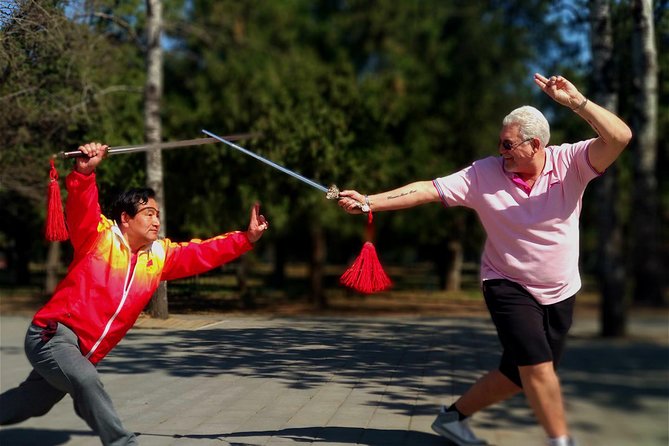
A lot of travel classes toss in cultural references that never affect your hands-on experience. This one tries to connect the philosophy to what you do with your body.
When you hear about Taoism and yin and yang, it’s not there to sound poetic. It’s used as a framework for how you think about balance, control, and the relationship between deliberate action and internal focus. Then you practice movements that match that idea—especially in Tai Chi, where slow motion plus breathing is the core training tool.
For you, that means the class may feel less like watching a performance and more like learning a tool you can use later. You won’t just leave with photos; you’ll leave with a mental cue for posture, attention, and calm.
Small-group learning: what personalized attention feels like
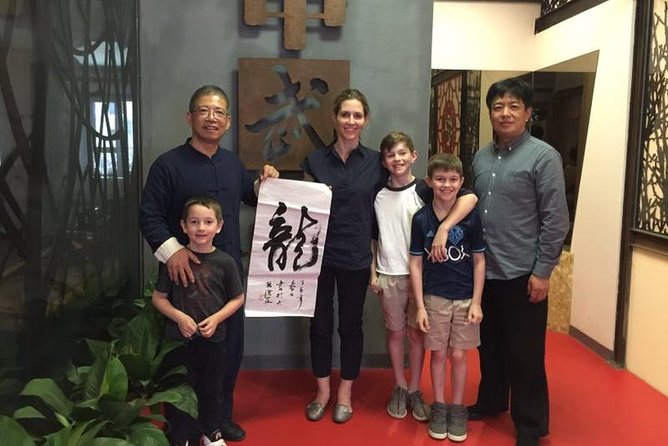
The activity is run as a private tour/activity for your group, which matters because it changes the energy. You’re not competing for space with ten other people trying to copy a master’s timing.
That’s also why the instructor can correct your basics and keep the lesson moving at a pace that works for real humans with travel schedules. If you’re traveling with family, this setup tends to feel easier because kids and adults can get their questions answered without a scramble.
In one account of the experience, Eric served as the guide and was described as very friendly. That kind of tone helps a lot when you’re doing something physical that may feel unfamiliar at first.

The calligraphy classroom: switching from movement to brush control
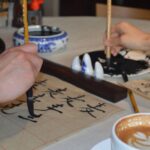
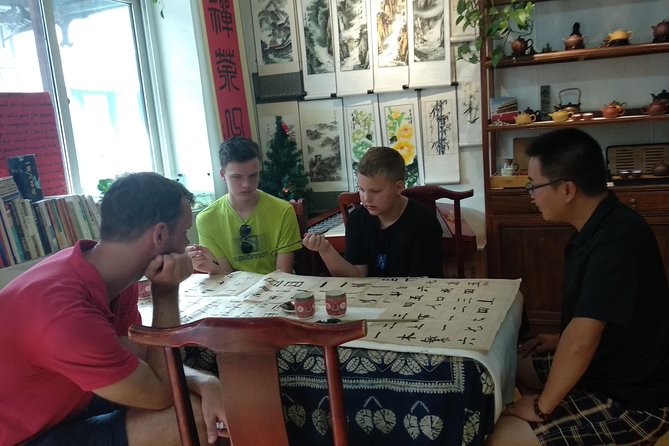
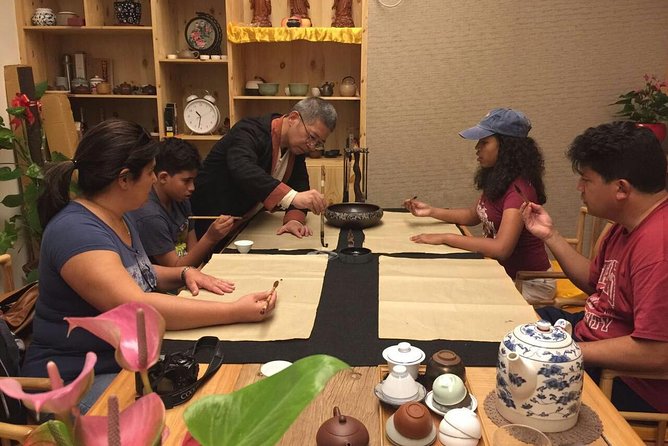
After the martial arts portion, you spend another 90 minutes in a Chinese calligraphy classroom. This is the other half of the experience: not just watching calligraphy, but learning the culture and practicing the brushwork.
The big value here is contrast. Martial arts asks for body alignment, breathing, and focus. Calligraphy asks for control, patience, and careful strokes. Put together, the two activities create a full “mind-body” arc in one afternoon or morning block.
You’ll pick up a brush and get a real taste of Chinese characters as an art form. The experience description frames it as learning the fine art of Chinese characters, and the class length is long enough that you don’t feel rushed through demonstrations. Instead, you get time to try, adjust, and settle into the rhythm of writing.
One more practical point: calligraphy can be more tiring than people expect, mostly because you’re concentrating and using your hand with intention for a while. Wear something comfortable and expect to use arm and wrist muscles.
When rain hits: indoors can still be a win
This activity operates in all weather conditions, so you shouldn’t plan around “maybe it will clear.” If it’s rainy, the schedule may shift so the kung fu lesson and calligraphy happen in the club’s studio rather than exactly where the Temple of Heaven gates description suggests.
That’s worth knowing because it changes what you’ll see, not what you’ll learn. Indoors, you can focus on movement and brush strokes without dealing with wet surfaces, umbrellas, or slippery footing.
If you hate uncertainty, pack a light layer and plan for the possibility of an indoor setting. You’ll still get the same two-part structure.
Timing and what to wear for a smooth 3 hours
The full class is about 3 hours, with 90 minutes for martial arts plus 90 minutes for calligraphy. The activity ends back at the meeting point, so you can plug it into your day without worrying about a complicated route afterward.
For clothing and gear, keep it simple:
- Comfortable walking shoes are required.
- Choose clothes that let you bend, squat slightly, and move your arms freely.
- Dress appropriately for all weather since the session runs rain or shine.
Also, consider your energy. You’re doing a physical warm-up of sorts, then shifting to focused handwork. If you come straight from a long flight with zero mobility, scale your expectations and pay attention to your breathing cues.
Price and value: is $95 fair for 2 lessons?
At $95 per person for about 3 hours, you’re paying for two coached activities and a structured cultural pairing. It’s not “cheap,” but it’s not just an entrance ticket either.
What you’re getting for the money:
- 90 minutes of martial arts instruction (Tai Chi or Kung Fu).
- 90 minutes of calligraphy instruction with a classroom setting.
- Small-group attention and a private-group format.
- A learning-focused experience with indoor fallback in rain.
Value gets even better if you’re the kind of traveler who likes structured practice. If you normally just take photos and watch demonstrations, you may feel like you paid for participation you didn’t fully use. But if you enjoy guided activities—especially hands-on ones—this pricing starts to make sense quickly.
One more detail that helps planning: it’s often booked around 27 days in advance on average. That’s a hint that spots can fill, especially if you want a specific time option.
Who should book this class (and who might skip)
This experience is a strong fit if you want:
- A non-touristy way to experience Beijing through Tai Chi/Kung Fu and Chinese calligraphy.
- A small-group setting where questions are welcome.
- A schedule that packs real instruction into a short time window.
- A morning or afternoon plan (the offering notes you can choose between morning or afternoon classes).
It may be less ideal if you want:
- A long Temple of Heaven sightseeing experience.
- A strict outdoor photography tour.
- A highly specialized advanced martial arts clinic.
If you’re traveling with family, it can also be a good choice because children must be accompanied by an adult, and the small-group approach usually makes it easier to manage different energy levels.
Should you book this Tai Chi or Kung Fu + calligraphy experience?
I’d book it if you like learning by doing. This is one of those Beijing activities where the value isn’t a postcard view—it’s your own body and brush becoming the “souvenir.”
Choose Tai Chi if you want calm control and breathing focus. Choose Kung Fu if you want more action and dramatic pacing. Then commit to the calligraphy part, because it’s the second skill that turns the day from a workout into a full cultural practice.
If you hate uncertainty about outdoor locations, remember that rain can move the lesson indoors. But from a learning standpoint, indoors doesn’t ruin the experience—it often makes it easier to concentrate.
FAQ
Where does the class begin?
You meet at the Jixiaolan Former Residence Ticket Office, 241 Zhu Shi Kou Xi Da Jie, Xi Cheng Qu, Beijing (100052).
What time does it start?
The listed start time is 9:00am.
Do I choose Tai Chi or Kung Fu?
Yes. You choose either Tai Chi or Kung Fu for the 90-minute martial arts portion.
How long is the Tai Chi or Kung Fu part and the calligraphy part?
The experience is about 3 hours total: 90 minutes of Tai Chi or Kung Fu, followed by 90 minutes of Chinese calligraphy.
Is the activity held outdoors at Temple of Heaven?
It’s described as meeting at the Temple of Heaven gates area, but in rainy weather the martial arts and calligraphy may be held in the club’s studio.
Is hotel pickup included?
No. Transfers from or to your hotel are not included.
Are children allowed?
Children can participate, but they must be accompanied by an adult.
Is it a private group?
Yes. It’s a private tour/activity, and only your group participates.
What is the cancellation window?
You can cancel for a full refund up to 24 hours before the experience’s start time.