REVIEW · BEIJING
Beijing: Hutong Breakfast Food Tour
Book on GetYourGuide →Operated by Lost Plate Food Tours · Bookable on GetYourGuide
Street food breakfast in hutongs hits different. This 3-hour Hutong breakfast food tour turns your morning walk into a guided, bite-by-bite tour of Old Beijing, with Aunt Jie’s handmade zongzi and cheesy jianbing at places you’d miss on your own. I also love how the guide story-mixes the food with the setting, from stone doorways to quiet courtyards, so you get context with every stop.
The main drawback is simple: you’ll be walking, and substitutions aren’t available for every dish (though the tour is vegetarian-friendly overall). Also, some sweet items stack up, so if you’re not a red-bean-paste person, go in with a plan.
Key highlights at a glance
- Aunt Jie’s handmade pork zongzi at a local market stop you can’t replicate from a map
- Douzhi, Beijing’s bold, Michelin-recognized tradition, served as part of the experience (not as a dare)
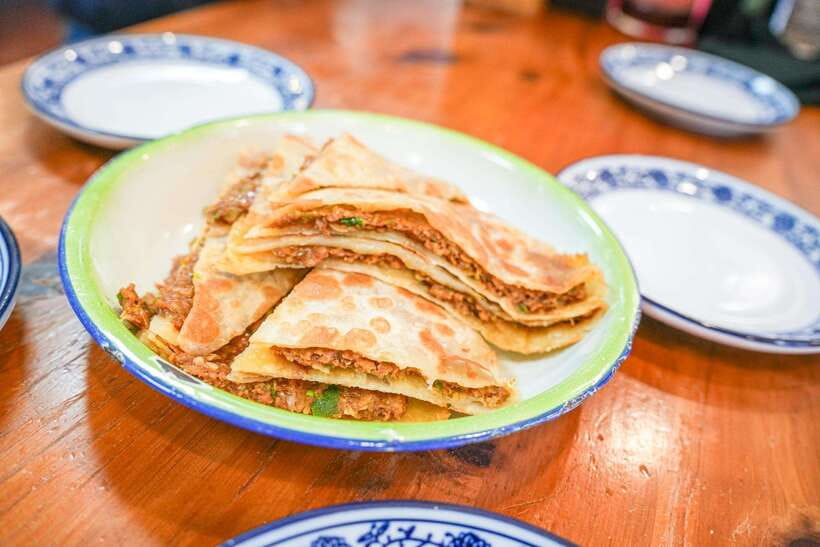
- Mr. Yu’s beef flatbread and tofu pudding—comfort food that feels personal and nostalgic
- Hutong secrets you notice only with a guide: stone doorways, signs, and courtyards
- Cheesy jianbing from a hole-in-the-wall favorite, plus sweet treats for an imperial-era flavor of history
In This Review
- Finding the Hutong Trail from Zhongguo Meishuguan Exit B
- Three Hours, 12+ Dishes: How the Tour Stays Fun (and Not Too Random)
- Market Morning Bites: Aunt Jie’s Zongzi and the Local Rhythm
- Douzhi and Mr. Yu’s Comfort Food: Bold Flavors with a Story
- A small consideration
- Jianbing with a Cheesy Twist, Plus the Sweet Stack
- Hutong Secrets: Stone Doorways, Signs, and Courtyard Clues
- Price and Value: What $45 Buys You in Real Terms
- Logistics That Actually Matter: Shoes, Bags, Weather, and Meeting Confusion
- Should You Book This Hutong Breakfast Tour?
- FAQ
- Where is the meeting point?
- How do I get there by subway?
- What’s included in the tour price?
- Is this tour vegetarian-friendly?
- What should I bring, and what is not allowed?
- Does the tour run in bad weather?
- Who might find this tour difficult?
Finding the Hutong Trail from Zhongguo Meishuguan Exit B
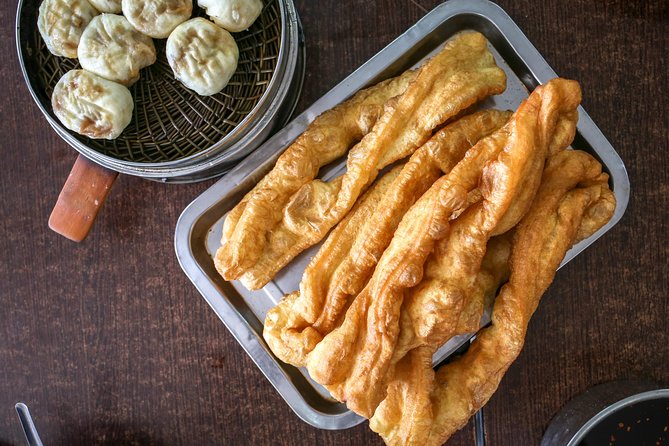
This tour starts near the Zhongguo Meishuguan (National Art Museum) subway station on Line 8. Get off the train, follow signs to Exit B, then meet upstairs outside the exit at street level. Your guide will be carrying a bright yellow Lost Plate tote bag, so you can spot them fast.
I like this setup because it’s clear and transit-first. You don’t need to guess about taxi drop-offs or waiting around a lobby. And yes, traffic can be heavy around this area during rush hour, so building in extra time is smart.
Practical note: the standard Google Map link may require a VPN in China. If that’s a hassle, use the provided Baidu/Chinese map link instead. Either way, I recommend you check your route before you head out, then keep your phone ready in the station.
Three Hours, 12+ Dishes: How the Tour Stays Fun (and Not Too Random)
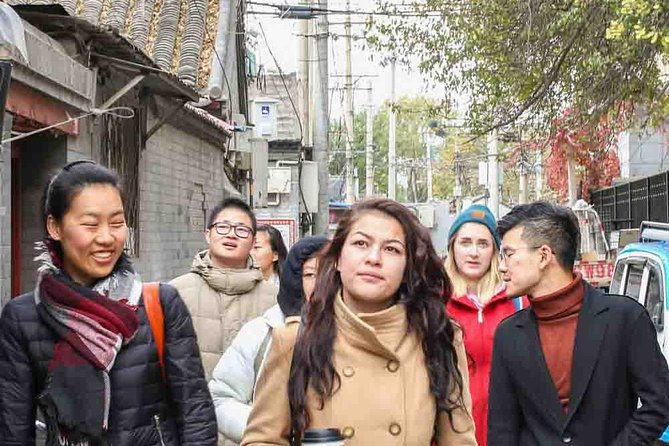
The promise is 3 hours and 12+ dishes across 5+ hidden spots (with over 6 eateries and street stalls along the way). That matters because food tours can either feel like a snack sprint or like a long line of similar plates. This format is designed to keep you tasting and learning without turning your morning into a marathon.
You also get unlimited water and soft drinks, which is a quiet quality-of-life win in Beijing. It means you can pace yourself, especially when you’re sampling bold flavors like douzhi.
What I like most is that the tour doesn’t only chase variety. It organizes flavors into a story: market breakfasts, comfort food, signature traditions, then sweets. You’re not just eating. You’re building a mental map of what Old Beijing tastes like.
Possible timing reality check: you’ll be outside and moving. It runs rain or shine, so dress like the weather has a vote.
You can also read our reviews of more food & drink experiences in Beijing
Market Morning Bites: Aunt Jie’s Zongzi and the Local Rhythm
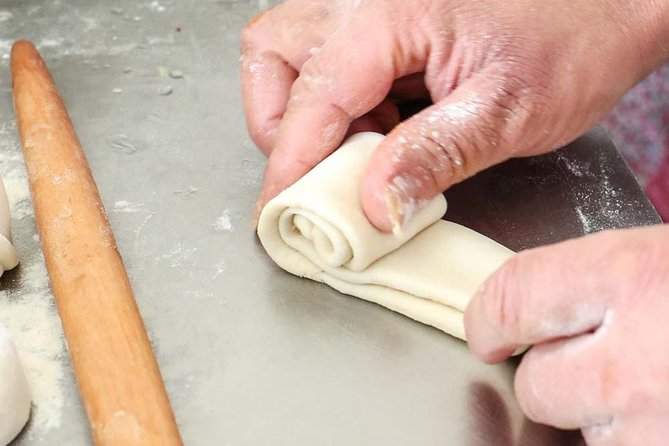
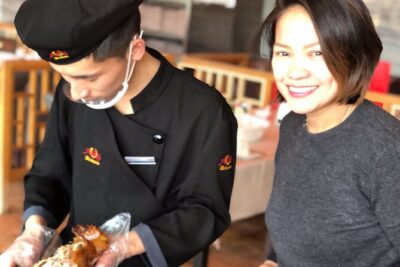
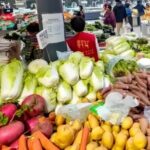
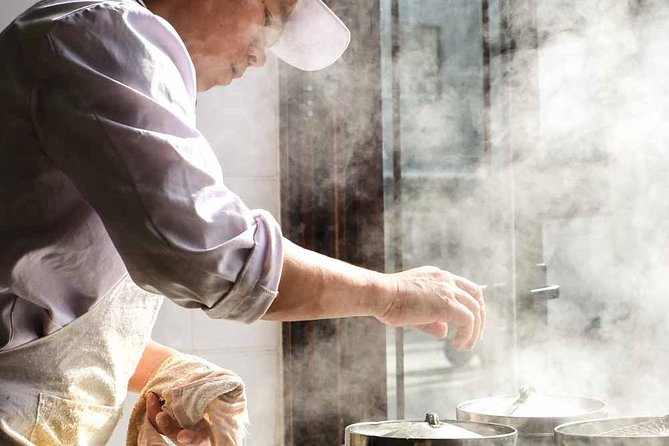
One of the biggest anchors of the tour is the market stop for Aunt Jie’s handmade pork zongzi. This is the kind of dish that can taste very different depending on how it’s made and who makes it. Here, the point isn’t only the food, it’s seeing the handwork behind it—how it’s wrapped and portioned as a real local routine.
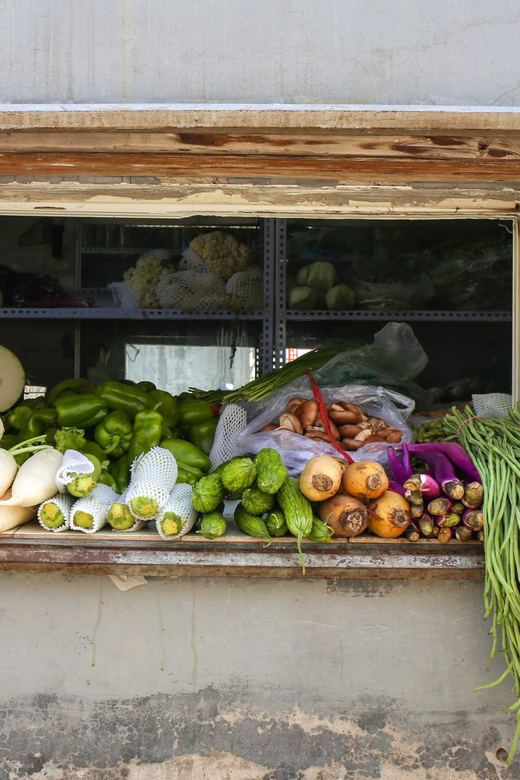
And that’s where this tour feels valuable: a market breakfast isn’t a photo opportunity. It’s an engine. You’ll likely see how locals shop and what they consider normal day food, then you’ll eat it while the guide connects the dots.
If you’re worried about heavy meat, plan for the fact that the tour is vegetarian-friendly, but substitutions aren’t available for every dish. So while you may be able to eat well, you should be ready for a couple items that may not fully swap out.
Bottom line: this stop is a great fit if you want a morning that feels real, not rehearsed.
Douzhi and Mr. Yu’s Comfort Food: Bold Flavors with a Story
Beijing has traditions that sound intimidating until you meet them in context. This tour includes douzhi, described as Beijing’s boldest tradition and recognized by Michelin. Even if you’re cautious with strong flavors, the guide framing helps you treat it like a food culture milestone, not a dare.
Around douzhi, the tour shifts toward comfort: Mr. Yu’s beef flatbread and tofu pudding. That combination makes the overall tasting arc feel balanced. You’re not only sampling extremes; you’re also getting the everyday “this is what I grew up with” feeling that makes Beijing food memorable.
From the way guides are described in the tour reviews, they focus on why these dishes matter. You’ll likely hear stories tied to childhood favorites and what people associate with certain flavors. That’s what turns a plate into something you can actually remember, instead of just tasting and forgetting five minutes later.
A small consideration
If you’re sensitive to strongly flavored fermented-style foods, douzhi may be the toughest bite on your route. The tour includes it, but you should pace yourself and know you can take smaller portions.
Jianbing with a Cheesy Twist, Plus the Sweet Stack
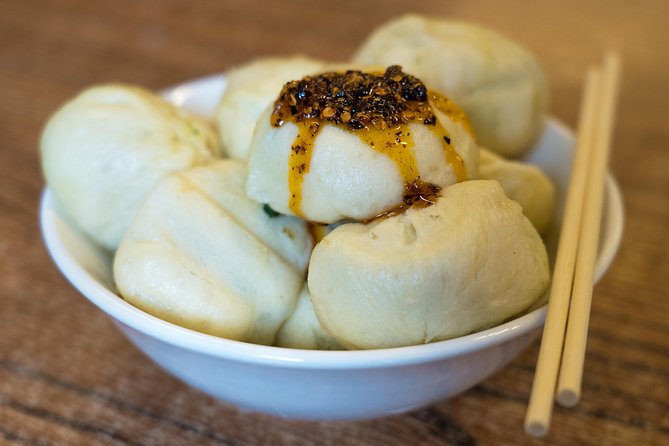
Jianbing is the fast street-food star of Beijing, and this tour makes it more interesting by steering you to a hole-in-the-wall favorite known for a cheesy twist. That’s a practical advantage: if you’ve eaten western-style breakfast, you’ll instantly understand why something crispy + hot + cheesy would work. Then you get the local version of the same breakfast joy.
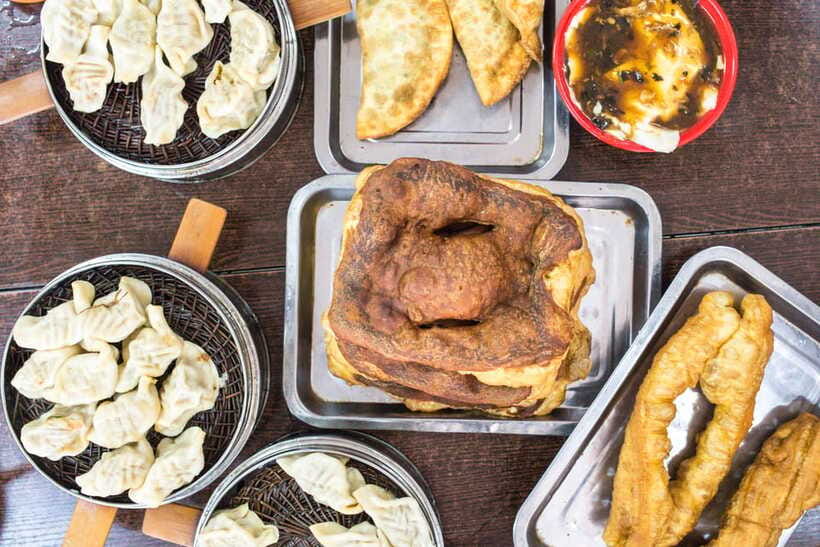
You’ll also find other classic morning favorites—like crispy meat pies—and then finish with sweet treats that include imperial-era sweets (once made for emperors). That’s a neat way to anchor the day: savory breakfast first, then sweets as a kind of food-time machine.
One word of caution: there can be a lot of sweet items on the way. I’d treat sweets like a buffet you sample, not a final test you pass. If you’re not big on repeated red-bean-paste desserts, pace yourself and plan to share plates when the guide offers options.
You can also read our reviews of more tours and experiences in Beijing
Hutong Secrets: Stone Doorways, Signs, and Courtyard Clues
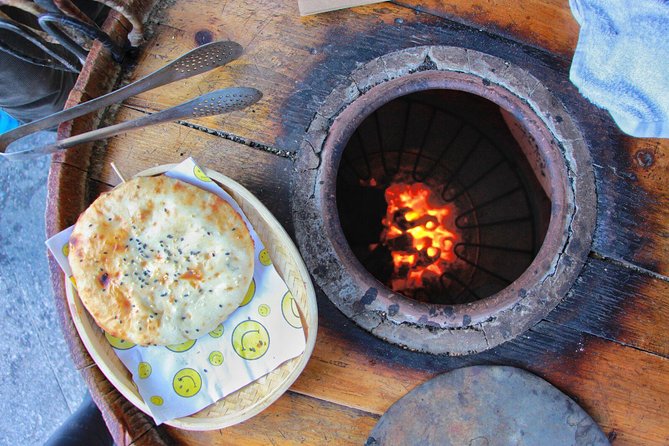
Food is the headline, but the hutong walk is the reason this tour sticks in your head. You’ll move through narrow lanes and quiet neighborhoods where the details are easy to miss if you’re sightseeing without a lens.
This tour specifically calls out hutong “secrets” connected to things like stone doorways, signs, and courtyards. The guide helps you notice the little tells: where families built, how space gets used, and why certain spots matter socially. It’s not theory. It’s visual. And once you start seeing those cues, the whole hutong experience becomes more than background.
This is also why a tour like this is better value than trying to DIY with a list from your phone. You don’t just need correct answers—you need the context that makes the streets readable.
Price and Value: What $45 Buys You in Real Terms
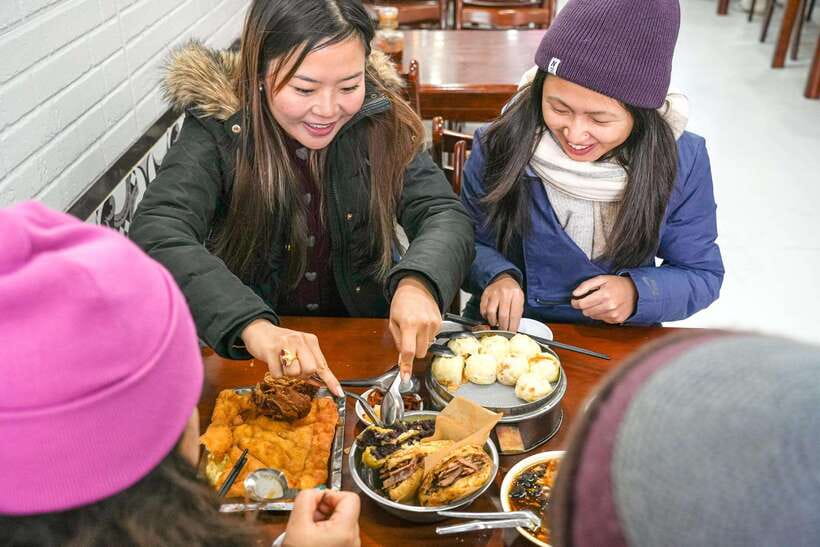
At $45 per person for 3 hours, the value is mostly about two things: scale and guidance.
You’re getting:
- a professional English-speaking guide
- unlimited food and drinks across 6+ eateries/stalls
- unlimited water and soft drinks
- at least 12+ dishes
- market access plus hutong orientation
If you tried to do this by yourself, you’d spend time figuring out where to eat, which stalls are good, and which dishes are worth your limited stomach space. Even with a strong plan, you’d still miss the “why this place, why this tradition” part.
The guide adds real leverage here. Reviews repeatedly highlight guides like Kelly, Lynn, and Yoyo as storytellers who make things easy to follow. That matters when you’re eating your way through dishes that may look similar in a photo but taste very different in real life.
So yes, it’s not free. But you’re paying for structure, translation, and tasting variety in one package.
Logistics That Actually Matter: Shoes, Bags, Weather, and Meeting Confusion
This tour has a few rules that shape your day:
- Bring comfortable shoes. You’ll be walking.
- No luggage or large bags. Keep it light.
- It operates rain or shine, so dress for the weather.
- It’s not suitable for people with mobility impairments, which usually means uneven walkways and frequent movement.
Meeting point can also feel like the only “gotcha.” The station is Exit B, and the guide is holding the yellow Lost Plate tote bag, but map links can confuse things because the nearest landmark may not match what you expect. If you want to avoid stress, double-check you’re going to Exit B, street level and plan to message the operator if anything looks off.
Also worth knowing: the tour requires a minimum of 2 people to operate. If that minimum isn’t met, you’ll be offered an alternative date or a full refund.
Should You Book This Hutong Breakfast Tour?
You should book if you want:
- a guided way to taste Old Beijing breakfast without doing research for days
- a mix of signature dishes like douzhi plus comfort food like Mr. Yu’s plates
- hutong walking with a focus on details you’d miss alone
- an English guide who keeps the morning flowing while you eat
You might skip it if:
- you need a low-walking experience (this one is not mobility-friendly)
- you’re strict about substitutions for dietary reasons (vegetarian-friendly, but not every dish can be swapped)
- you hate sweet red-bean-heavy desserts and don’t want a lot of sweets in the same time window
If you’re flexible, this is the kind of tour that turns breakfast into a storyline: market craft, bold traditions, comfort plates, then sweets with a historical wink. That combination is why the score stays so high.
FAQ
Where is the meeting point?
Meet at Zhongguo Meishuguan (National Art Museum) Subway Station, Exit B, street level. Your guide will be holding a bright yellow Lost Plate tote bag.
How do I get there by subway?
Take subway Line 8 to Zhongguo Meishuguan (National Art Museum). Follow signs to Exit B and meet upstairs outside the exit. Allow extra time because traffic can be heavy around this area during rush hour.
What’s included in the tour price?
The tour includes a professional English-speaking guide, and unlimited food and drinks at over 6 eateries and street stalls, plus unlimited water and soft drinks.
Is this tour vegetarian-friendly?
Yes, it’s vegetarian-friendly, but substitutions are not available for every dish, so you should expect that some items may not fully swap out.
What should I bring, and what is not allowed?
Bring comfortable shoes. Luggage or large bags are not allowed.
Does the tour run in bad weather?
Yes. The tour operates rain or shine, so you should dress appropriately for the conditions.
Who might find this tour difficult?
It is not suitable for people with mobility impairments. The route involves walking through hutong areas and relies on you being able to move comfortably.