REVIEW · BEIJING
Beijing Historic City Guided Walking Tour + Calligraphy Creation
Book on Viator →Operated by Free Tours China · Bookable on Viator
A walk that mixes old Beijing with ink. I like how this route connects imperial-era spaces with today’s street life in just 3.5 hours. You’ll also spend time on calligraphy-themed streets, where the art style is part of the neighborhood’s texture, not just a demo.
What I especially like is the guide-led storytelling that keeps the city readable as you walk. Guides such as Kris and Hao are singled out for clear explanations and a pace that doesn’t feel rushed. One thing to keep in mind: it’s a shared group format, and the day can still feel big (up to 50 people), plus you won’t enter Tiananmen Square even though you finish near it.
In This Review
- Key highlights at a glance
- Price and tips: what the $5 booking fee really means
- Getting oriented fast: meeting point, timing, and group size
- The route that teaches Beijing: step-by-step walkthrough
- Stop 1: Huguang Guild Hall (built 1807) and the merchant world behind it
- Stop 2: Hutong tour through older alley neighborhoods
- Stop 3: Liulichang Street, where art and antiques set the tone
- Stop 4: Yangmeizhu Byway and the modern creative alley contrast
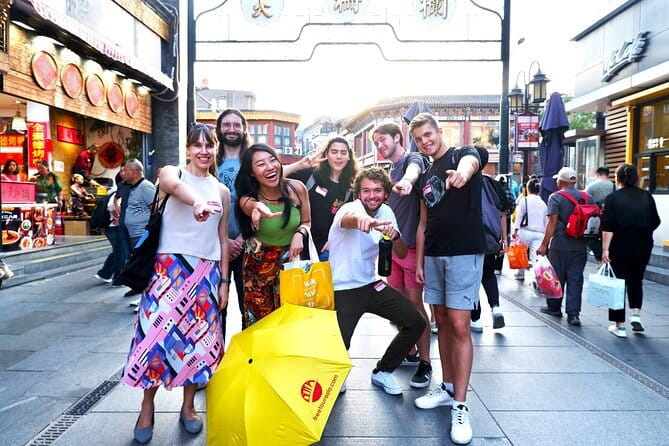
- Stop 5: Dashilan Street, an older commercial center with everyday energy
- Stop 6: Qianmen Walking Street and the Tiananmen-area finish
- Calligraphy creation: why this part is worth your time
- What makes the experience feel good (and not just informative)
- Price-to-hours reality check
- Who should book this (and who might want a different plan)
- Should you book this walking tour?
- FAQ
- FAQ
- What is the duration of this tour?
- Where does the tour start?
- What time does the tour start?
- How much is the booking fee?
- Is the tour tips-based?
- How many people are in each booking group?
- Are there admission fees for the stops?
- Does the tour enter Tiananmen Square?
- Is calligraphy creation included?
- What happens if bad weather cancels the tour?
Key highlights at a glance
- Huguang Guild Hall (built 1807): start with a real historic stage tied to merchants and officials from Hubei and Hunan
- Hutong lanes: a focused walk through older alley neighborhoods for context beyond the postcard sights
- Liulichang Street: time in Beijing’s art-and-antiques corridor, where calligraphy culture is the main theme
- Calligraphy creation element: the experience includes making your own calligraphy, not just watching
- Qianmen ending: you finish near Tiananmen Square area, with easy access to shopping and food along Qianmen
Price and tips: what the $5 booking fee really means
The headline price is only $5 per person, and that number is the reservation fee. The tour itself runs on a tips-based model, so your guide income mainly comes from what you choose to pay at the end. The suggested tip is 160–200 RMB, roughly 20–25 USD/EUR.
Is it good value? In Beijing, a 3.5-hour guided walk that covers multiple historic districts plus guided calligraphy culture can cost a lot more when it’s priced as a fixed tour. Here, you control the final amount. That said, you should budget for the full tip amount up front, especially if you’re traveling as a couple or small group.
If you’re the type who likes to pay fairly for excellent explanations and keepsake-making, this structure works well. If you expect a fully ticketed, all-inclusive experience where everything is included and priced for you, you may find the tips-only model annoying.
You can also read our reviews of more walking tours in Beijing



Getting oriented fast: meeting point, timing, and group size
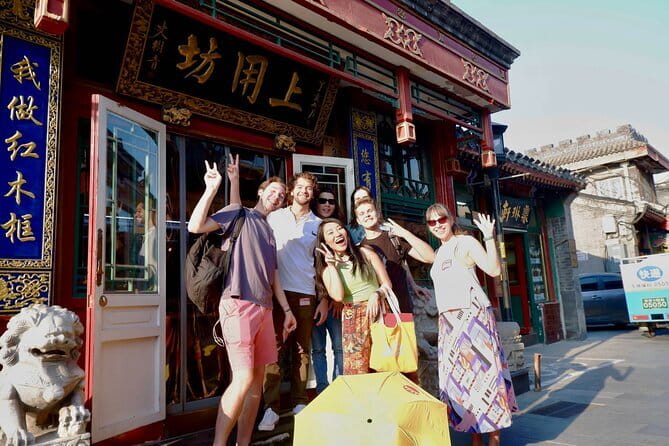
You start at Huguang Guild Hall, address listed as 3 Hu Fang Lu, Xi Cheng Qu, Beijing 100052. The start time is 10:00 am, and the walk is about 3 hours 30 minutes.
Two group-size details matter for your expectations:
- The tour is described as shared with a limit of 6 guests per booking.
- The broader activity can have a maximum of 50 travelers.
So you might be in a smaller cluster with your guide while still sharing the route environment with lots of other people that day. Either way, wear shoes you can walk in comfortably for half a morning.
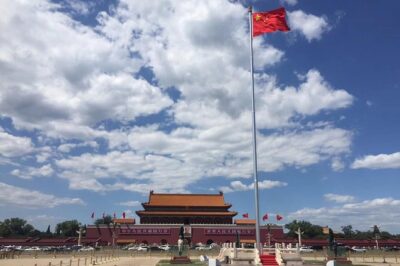
You’ll also want to know the ending: the tour finishes in front of the Tiananmen Square area but does not enter Tiananmen Square. If Tiananmen Square is on your must-see list, plan a separate visit and make a reservation at least one day in advance.
Finally, you’ll get a mobile ticket, and the stops include free admission (so your money goes to guidance and your own calligraphy rather than entry fees).
The route that teaches Beijing: step-by-step walkthrough
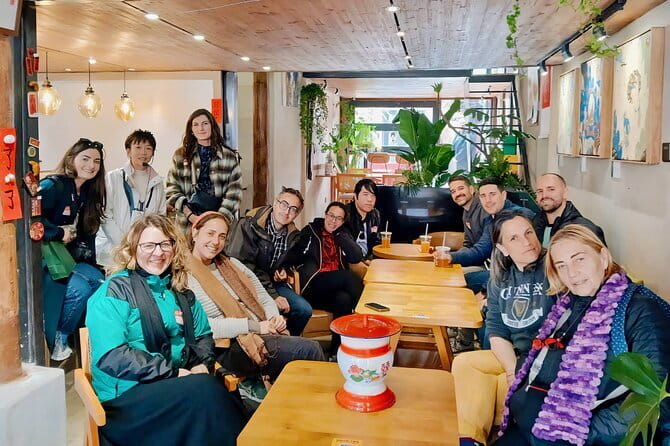
This isn’t a “one monument per minute” tour. It’s more like a guided reading of the city, starting from a major historic institution, then moving into hutongs and art streets, and ending at one of the most recognizable central pedestrian zones.
You’ll get a steady mix of:
- big-picture storytelling (dynasties, how the capital worked, how modern Beijing grew)
- neighborhood texture (alley life, shops, street food culture)
- specific places you can later recognize on your own
Stop 1: Huguang Guild Hall (built 1807) and the merchant world behind it
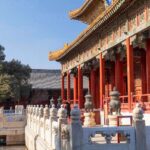
You begin at Huguang Guild Hall, built in 1807. This hall mattered because it brought together influential merchants and officials from Hubei and Hunan provinces. That’s a key theme for understanding Beijing: power and culture often moved through networks of people, not only through emperors and palaces.
Today, the standout feature is the opera stage. Expect the guide to connect why halls like this existed—community funding, performances, and status—then tie it to how Beijing’s cultural life became organized around these institutions.
Practical note: this is a good “reset” stop. It gets you oriented on what you’re looking at before you step into the more maze-like street sections.
Stop 2: Hutong tour through older alley neighborhoods
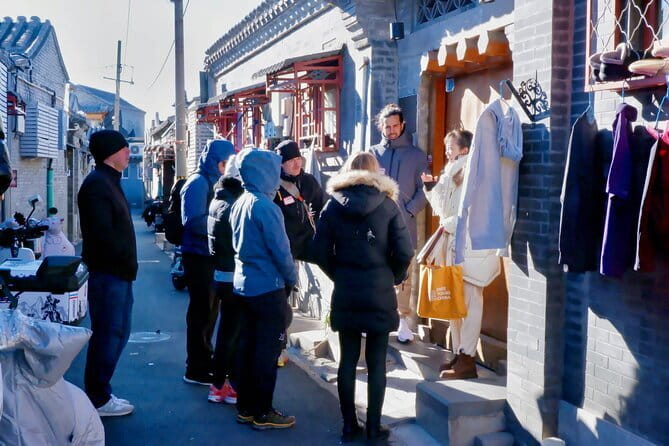
After the guild hall, you head into hutong territory. This is the part where the tour shifts from “historic building” to “historic city fabric.”
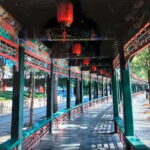
The point of hutongs on a short walking tour is context. You learn how narrow lanes, courtyard layouts, and neighborhood rhythms shaped everyday life for generations. You also get a better sense of what makes Beijing feel like a living city rather than a museum—because the alleys still function as neighborhoods.
Some people come expecting only the headline sites and monuments. If that’s you, don’t worry. A well-told hutong walk can be just as memorable because it teaches you how to read the city’s structure at street level.
You can also read our reviews of more guided tours in Beijing




Stop 3: Liulichang Street, where art and antiques set the tone
Next is Liulichang Street, described as Beijing’s artistic hub with antique and cultural shops. This is where calligraphy culture becomes more than a side note.
Liulichang is known for stores tied to traditional arts—especially places where you’ll see calligraphy and related items for sale. Even if you don’t buy anything, it’s worth slowing down here because you can feel how the street caters to a specific kind of cultural shopper.
This stop also fits the calligraphy element of the tour. You’re building the right mental picture of what calligraphy means in Beijing—identity, style, tradition, and craftsmanship—so when you create your own, it lands differently than if you were learning from a blank slate.
Admission is free for this stop, so the value you’re paying for is time with a guide who helps you notice what matters.
Stop 4: Yangmeizhu Byway and the modern creative alley contrast
Then you turn to Yangmeizhu Byway, a more modern-feeling lane where history and today’s creative culture sit side by side.
This byway is described with boutique shops, art studios, and cafes, which makes it a useful contrast point after the historic zones. The guide’s job here is to connect the two worlds: how Beijing preserves older street patterns while new businesses shape the way neighborhoods feel.
If you like photography, this is often the easiest section to shoot because the street format creates natural frames. If you don’t care about photos, it still works because it shows Beijing as an active, changing place.
Stop 5: Dashilan Street, an older commercial center with everyday energy
After that, you reach Dashilan Street, described as Beijing’s oldest and most lively commercial hub. It’s a pedestrian-friendly zone where shopping and food culture blend into daily life.
This stop matters because it moves you from “heritage learning” into “how the city snacks and shops.” You’ll likely get some street-food exposure here, or at least the chance to understand what people are actually buying and eating nearby.
The practical upside: you’re not just walking past signs. You’re learning what this commercial strip means in the capital’s rhythm.
Stop 6: Qianmen Walking Street and the Tiananmen-area finish
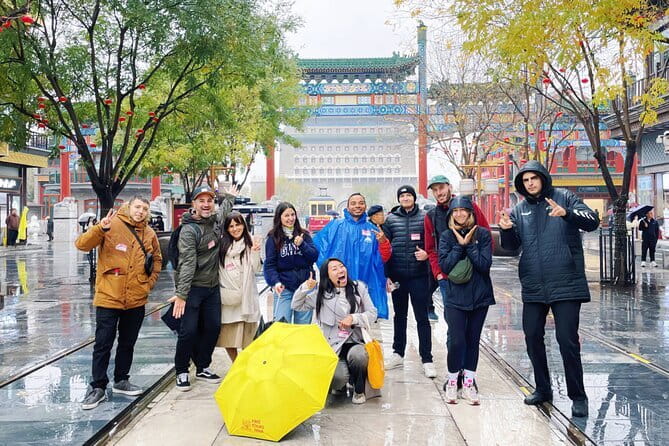
Finally, you arrive at Qianmen Walking Street, just south of Tiananmen Square. This area is famous for its restored old style combined with modern shopping and cuisine.
You finish right near the Tiananmen Square area—the tour ends in front of Tiananmen Square, but you won’t enter it. If you want to do Tiananmen Square on your own later, you’ll need to reserve ahead (the guidance says same-day reservations aren’t possible).
Think of the ending as a transition. After 3.5 hours, you’ll be ready to explore central Beijing with your bearings set. Qianmen is convenient for that: you can eat, shop, and keep walking without feeling trapped in a closed tour bubble.
Calligraphy creation: why this part is worth your time
The experience name includes calligraphy creation, and that matters. Many city walks show you how cultural traditions look on shop signs. This adds a hands-on element, which is a different type of learning.
Why it’s valuable:
- You understand calligraphy as physical action, not just graphic decoration.
- You slow down enough to appreciate brush strokes and spacing.
- You leave with something personal that reminds you where you learned it.
Since the detailed calligraphy lesson steps aren’t spelled out in the information provided, don’t expect a super-long workshop. Instead, expect a guided introduction that fits into the flow of the walk and the Liulichang art setting.
If you’re traveling with someone who loves crafts, this is a great tie-in. If you’re on your own, it’s still a nice way to break up the walking and get a memorable takeaway.
What makes the experience feel good (and not just informative)
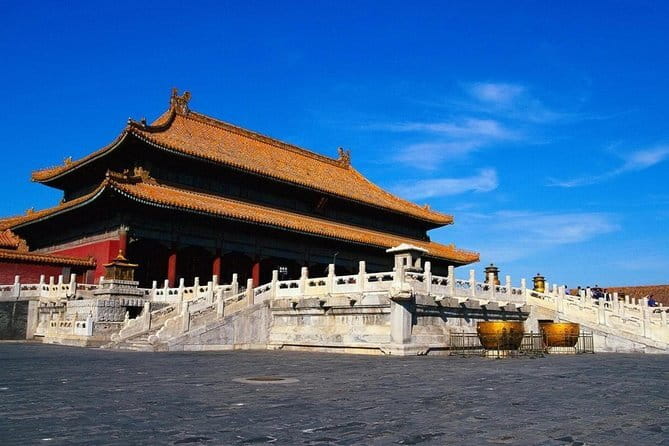
This walk is built around a simple formula: stories + locations + short, readable transitions. That’s why the pace often gets praised.
A few patterns you can plan around:
- Expect clear stop-by-stop explanations so each place feels connected, not random.
- Expect enough variety that you don’t get bored with only one type of scenery (guild hall → hutongs → art street → modern alley → commercial street → central pedestrian zone).
- Expect a social group setting. With shared tours, you’ll feel the energy of other people around you, especially near Qianmen.
Cold-weather advice from the vibe of the experience: the tour keeps moving. Bring layers and comfortable shoes, because your time is walking time.
Price-to-hours reality check
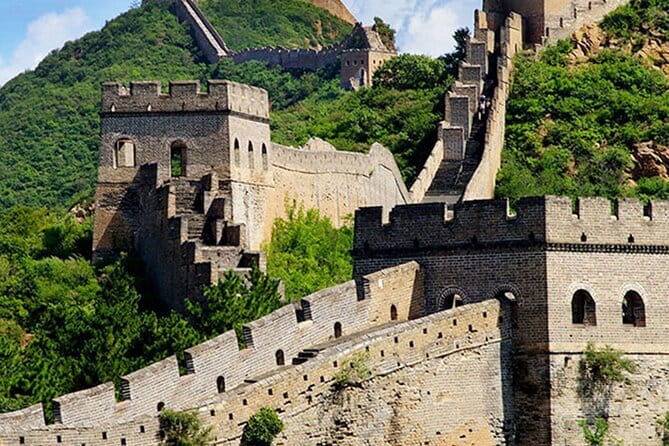
At $5 you might think it’s almost too good. But remember: it’s a reservation fee, and you’re expected to tip. With the suggested 160–200 RMB tip, your real out-of-pocket cost is much closer to what you’d pay for a standard guided tour that includes a bit more “service packaging.”
Here’s why it still feels like a good deal for many people:
- You’re getting a 3.5-hour, guide-led route that hits multiple districts instead of one neighborhood.
- You also get into the calligraphy culture through a hands-on component.
- You’re not paying entry fees at the listed stops.
If you already know Beijing’s big monuments and you want neighborhood-level context, this tour fits. If your plan is ultra-tight and you only care about a short list of famous landmarks, you may feel like you’re walking past what you came for—especially since you won’t enter Tiananmen Square on this outing.
Who should book this (and who might want a different plan)
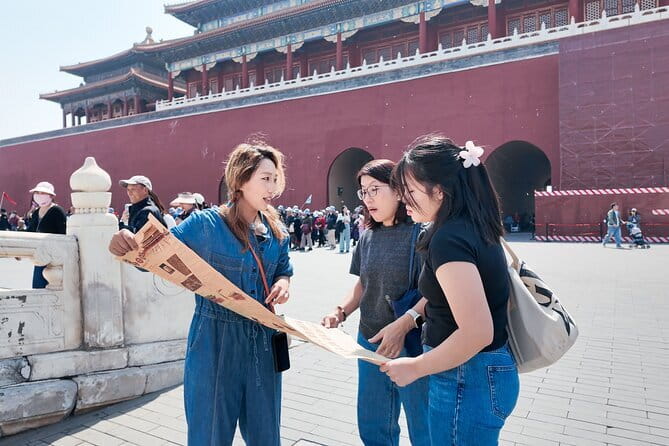
Book it if you:
- want a walkable introduction to Beijing’s capital story, beyond just one palace or square
- like hutong neighborhoods and street-level city texture
- want calligraphy creation rather than only sightseeing
- enjoy having a guide connect old institutions to modern street life
Consider something else if you:
- want guaranteed entry into Tiananmen Square during the tour
- dislike shared-group logistics and crowds on central pedestrian streets
- hate walking for 3.5 hours, because this is mostly a walking experience
Should you book this walking tour?
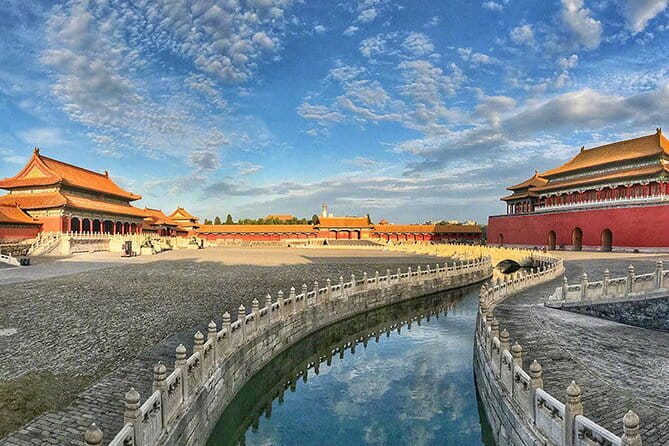
Yes, with conditions. I’d book it if your priority is understanding Beijing in a human-scale way: hutongs for structure, Liulichang for culture, and Qianmen for a smooth finish near the most famous central landmarks. The calligraphy creation is the “memory hook” that makes the tour more than just photos.
Skip (or pair it with other plans) if Tiananmen Square entry is non-negotiable for your schedule. This walk ends near it but doesn’t go in.
If you do book, plan your day so you can handle the ending area right after the tour. And budget for the suggested tip so the experience stays fair and enjoyable for everyone involved.
FAQ
FAQ
What is the duration of this tour?
The tour lasts about 3 hours 30 minutes.
Where does the tour start?
It starts at Huguang Guild Hall, at 3 Hu Fang Lu, Xi Cheng Qu, Beijing 100052.
What time does the tour start?
The listed start time is 10:00 am.
How much is the booking fee?
The price is $5.00 per person, and it is described as a reservation fee.
Is the tour tips-based?
Yes. The tour operates on a tips-based model, and you decide how much to tip your guide. A suggested tip of 160–200 RMB (about 20–25 USD/EURO) is provided.
How many people are in each booking group?
The tour is shared and limited to 6 guests per booking. The overall activity can have a maximum of 50 travelers.
Are there admission fees for the stops?
For the listed stops, admission tickets are marked as free.
Does the tour enter Tiananmen Square?
No. The tour ends in front of Tiananmen Square, but it does not enter to visit it.
Is calligraphy creation included?
Yes. The experience is titled as a walking tour plus calligraphy creation.
What happens if bad weather cancels the tour?
The experience requires good weather. If it’s canceled due to poor weather, you’ll be offered a different date or a full refund.