REVIEW · BEIJING
3-hour Morning/Afternoon Tea Tasting on Maliandao Street & Dimsum
Book on Viator →Operated by Lily's Tour Company · Bookable on Viator
Tea and dim sum in Beijing, all in one morning.
This Maliandao Street experience is built for people who want real flavor (not just photos), with a guide taking you through eight different teas and then straight into a proper dim sum meal. What makes it work is the tight flow: tea first, then lunch, then a walk through the trading-street energy where you can compare teas shop to shop.
I especially like the small-group size and the fact that the tour includes both the tea ceremony and lunch. I also like that you get more than one stop in the tea world: not just tasting, but visits to two tea shops so you can see different types and styles of tea firsthand. One possible drawback: dim sum here can include items that are not everyone’s comfort zone (for example, chicken feet), so go in with an open mind, or pick your bites carefully.
In This Review
- Key points to know before you go
- Maliandao Tea Street: a fast path into Beijing tea culture
- The tea ceremony and eight teas: how you’ll actually taste
- Dim sum lunch near the tea shop: what to expect
- Walking the largest tea trading street: two shops, real comparisons
- Meeting at Line 7 Wanzi and keeping your day smooth
- Price and value: is $99 fair for tea plus lunch?
- Food comfort level: chicken feet, steamed buns, and sharing bites
- Best for: who will enjoy this tour the most
- Should you book this Maliandao tea and dim sum tour?
- FAQ
- How long is the tea and dim sum tour?
- How much does the tour cost?
- Does the tour include tea tasting and a tea ceremony?
- Is lunch included?
- What dim sum dishes can I expect?
- Where do we meet and how do we get there?
- How many people are in the group?
- Is there a vegetarian option?
- What’s the cancellation policy?
Key points to know before you go
- Eight-tea tasting with a guide who helps you connect taste to type
- Tea ceremony included, so you’re not just sampling cups randomly
- Dim sum lunch is part of the package, not an add-on you have to figure out
- You’ll visit two tea shops during the trading-street walk, not just one quick stop
- Small group (max 15), which makes it easier to ask questions and keep the pacing relaxed
- Easy subway meeting around Line 7 at the Wanzi area, with the tour ending back near transit
Maliandao Tea Street: a fast path into Beijing tea culture
If you only have a morning or afternoon in Beijing, Maliandao is one of the most practical places to understand the city’s tea obsession. This tea-street area isn’t about polished museum tea. It’s about trade, taste, and learning how different teas behave in your cup.
What I like about this tour is that it treats tea as food. You’re not just “drinking tea.” You’re tasting multiple tea types and getting guided context so you can make sense of what you’re experiencing. And then you get dim sum right after, when your palate is still awake from the tea.
This is also a good choice if you like guided structure. The tea shops along Maliandao can look similar from the outside, and it’s easy to wander without learning anything. Here, your guide steers you toward tasting spots and then helps you compare what you’re being served.
You can also read our reviews of more food & drink experiences in Beijing
The tea ceremony and eight teas: how you’ll actually taste
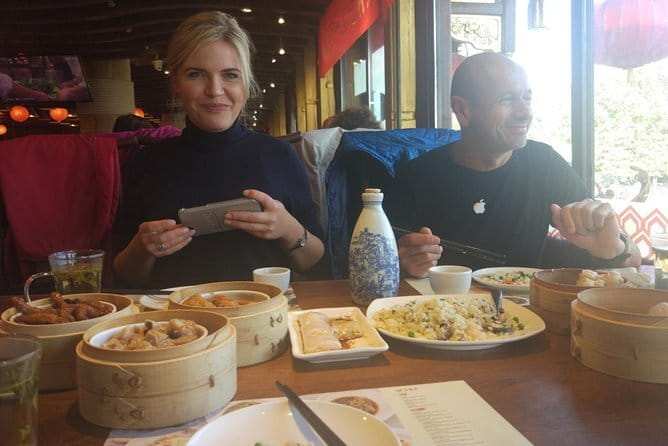
The center of the tour is a guided session where you taste eight different kinds of tea. You’ll do it with a ceremony format, which matters more than it sounds. Ceremonies slow you down. They make you pay attention to aroma, color, and how the flavor changes from cup to cup.
You’ll be tasting across several major categories such as green tea, oolong tea, black tea, puer tea, and white tea. That range is the key. Even if you’re not a tea nerd, the differences between these groups can feel dramatic once you’re guided on what to notice. It’s a fast way to build a mental map of tea styles, instead of learning by accident.
A smart part of the format is that you’re tasting while someone explains. That’s how you avoid the classic tourist move of thinking you liked everything because it’s warm and sweet. You can ask questions about bitterness, aftertaste, and what to pair with later food.
Dim sum lunch near the tea shop: what to expect
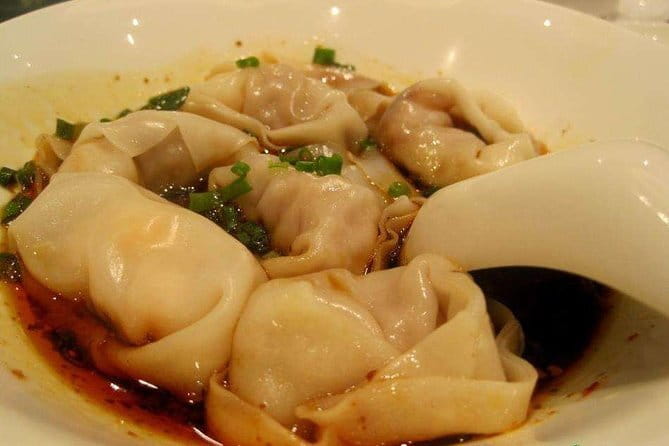
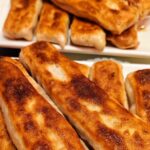
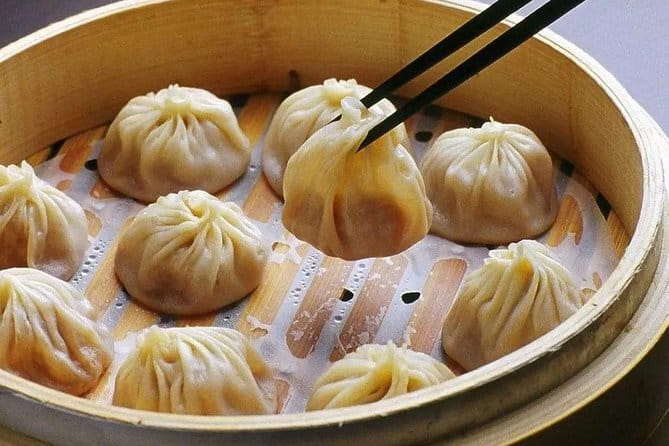
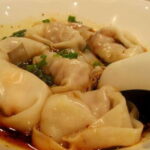
After tea tasting, the tour shifts to lunch at a nearby tea restaurant. The meal is set up as a dim sum sampling, so you’re not hunting for a place that fits your schedule. The menu is built around steamed items, small plates, and classic bites you can share.
You can expect dishes such as:
- steamed soup buns
- steamed vermicelli rolls
- shrimp raviolis
- spring rolls
- chicken feet
- and other dim sum options
One thing I appreciate: you’re eating directly in the tea area ecosystem. The lunch isn’t floating in from nowhere—it’s close to where you tasted tea, so the flavors feel connected. Tea and dim sum is a natural combo anyway: tea helps reset your palate between bites, and the meal gives you something savory right after all that tasting.
If you have dietary preferences, this matters. You can request a vegetarian option when booking. If you don’t request it, you should assume the meal will follow the standard dim sum assortment. And if chicken feet or other unusual dim sum items make you hesitant, you’ll still be able to enjoy the meal by focusing on the plates that look most familiar.
Walking the largest tea trading street: two shops, real comparisons
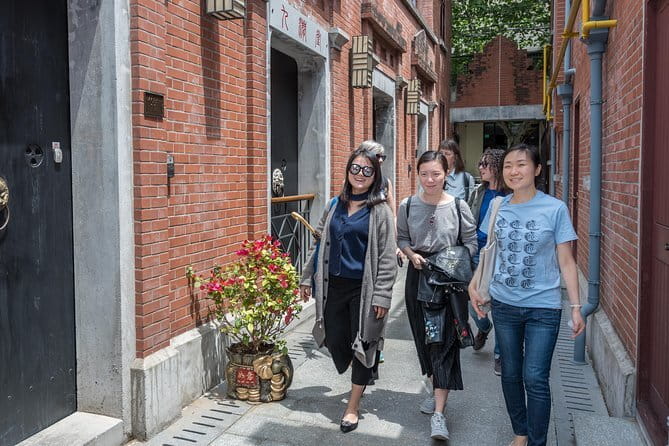
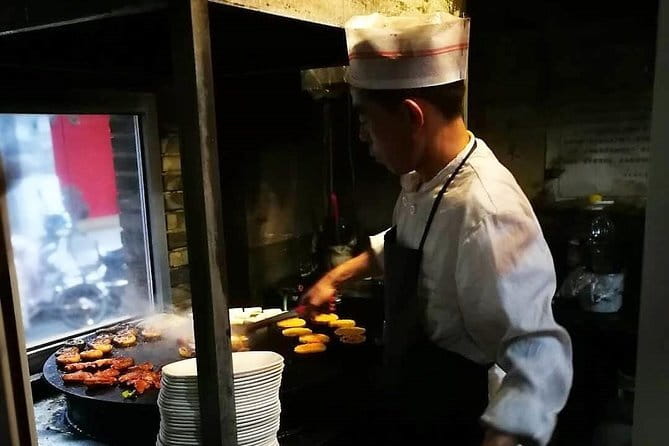
Once the lunch portion ends, the tour turns into a stroll through the larger tea trading street and market area. This is where you’ll see tea culture as commerce, not just ceremony. You’ll get to look at what people are selling, how shops present different teas, and what shoppers are interested in.
The tour includes stops at two different tea shops, with each stop geared toward tasting and learning about different teas. This is valuable because tea taste isn’t only about type—it’s also about how it’s made and what kind of product the shop is selling.
A practical expectation: tea shops can be smoky, crowded, and fast-moving. The guide’s job is to keep your time efficient and your tasting meaningful. Without that, you might end up wandering from counter to counter with no idea what matters most. With the structure here, you’ll be comparing something concrete.
Meeting at Line 7 Wanzi and keeping your day smooth

The logistics are one of the strongest parts of the tour. You meet near public transportation, around Beijing Subway Line 7 at the Wanzi area. The details provided include Wanzi exits, so the safest move is to double-check the exact exit letter shown on your confirmation.
Why does this matter? Because tea and dim sum tours go wrong when you’re late. If you’re lost, you miss the tea ceremony timing, and then the tasting loses its flow. Meeting at a subway stop makes it easier to arrive calm and ready.
The tour runs about 3 hours, with the start and end near the meeting point. At the end, your guide will return you to the subway station, or help you get a taxi. That’s a comfort if you don’t want to think about your next step right after lunch.
Also, the group size stays small. The format mentions a group of 8 or fewer for the first tasting moment, and a maximum of 15 overall. That small scale makes questions feel normal instead of rushed.
You can also read our reviews of more tours and experiences in Beijing

Price and value: is $99 fair for tea plus lunch?
At $99 per person, this isn’t a budget street snack. But it also isn’t “tour-only” pricing where you pay for walking and a vague explanation.
Here’s what you’re paying for, in plain terms:
- guided tea ceremony and tasting of eight teas
- dim sum lunch included
- a guide who takes you to tasting spots and through the market area
- admission ticket included
If you try to recreate this on your own, you’d likely spend time (and money) figuring out where to go for a proper tasting flow and then finding a dim sum place that works right away in the same neighborhood. You’re basically buying convenience plus guided direction.
For me, the value comes from two things: you get education (tea tasting with context), and you get food that’s part of the same experience. That combination is harder to DIY than it looks.
If you’re the type who wants to sample widely without planning, this price can feel reasonable.
Food comfort level: chicken feet, steamed buns, and sharing bites
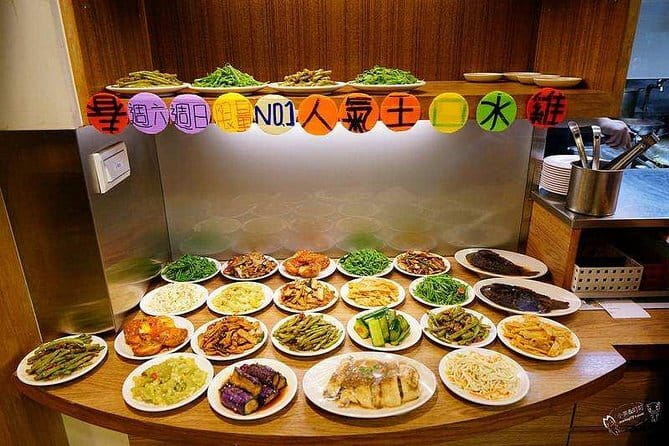
Dim sum is not one single taste. It’s lots of textures: chewy wrappers, soft steamed dough, snap from fried items, and savory sauces. This tour leans toward steamed bites, which tend to be friendly for first-time dim sum eaters.
Still, some dishes listed may be challenging if you’re squeamish about presentation. Chicken feet shows up. Even if you don’t eat it, you’ll still get a full meal with other plates like soup buns and shrimp raviolis.
A good strategy: don’t force yourself to eat everything. Plan to taste a few bites across different plates. The point is learning how tea and dim sum work together, not proving you can eat every item on the table.
If you care about vegetarian food, request it at booking. The tour notes that vegetarian options are available if you advise ahead of time.
Best for: who will enjoy this tour the most
This tour fits best if you want a short, structured introduction to Beijing tea culture and dim sum.
You’ll probably enjoy it if:
- you like food tours but want something a bit different than the usual dumpling crawl
- you’re curious about tea types like oolong, puer, white, and black, and you’d like help tasting them
- you want a guided market walk without getting stuck translating everything yourself
- you prefer small groups and a set schedule over open-ended wandering
If you’re only interested in shopping for tea and don’t care about tasting or food, you might find this more structured than you want. But if you enjoy learning through taste, it’s a strong fit.
Should you book this Maliandao tea and dim sum tour?
I’d book it if you want an efficient 3-hour experience that connects tea tasting + ceremony + dim sum in one plan, with a guide who helps you make sense of what you’re trying. The small group size and the included lunch make it feel complete, not like a “teaser” tour.
Skip it (or go with extra caution) if you know you dislike strongly flavored teas or if chicken feet and similar dim sum items are a hard no for you. Also, make sure you arrive on time at the Wanzi subway meeting point so you don’t miss the tea ceremony window.
Overall, this is a smart value choice for first-timers and food-focused travelers who want something real on Maliandao Street without turning your day into a scavenger hunt.
FAQ
How long is the tea and dim sum tour?
It runs for about 3 hours.
How much does the tour cost?
The price is $99.00 per person.
Does the tour include tea tasting and a tea ceremony?
Yes. You taste eight different teas, and a tea ceremony is included.
Is lunch included?
Yes. You’ll have dim sum as lunch or dinner as part of the tour.
What dim sum dishes can I expect?
You may see items like steamed soup buns, steamed vermicelli rolls, chicken feet, shrimp raviolis, spring rolls, and other dim sum.
Where do we meet and how do we get there?
You meet near public transportation at Beijing Subway Line 7 in the Wanzi area (the exact exit is shown in the tour details you receive).
How many people are in the group?
The tour has a maximum of 15 travelers, and the start of the tea tasting is described as a group of 8 or fewer.
Is there a vegetarian option?
Yes. A vegetarian option is available if you advise at the time of booking.
What’s the cancellation policy?
Free cancellation is available up to 24 hours in advance for a full refund.